
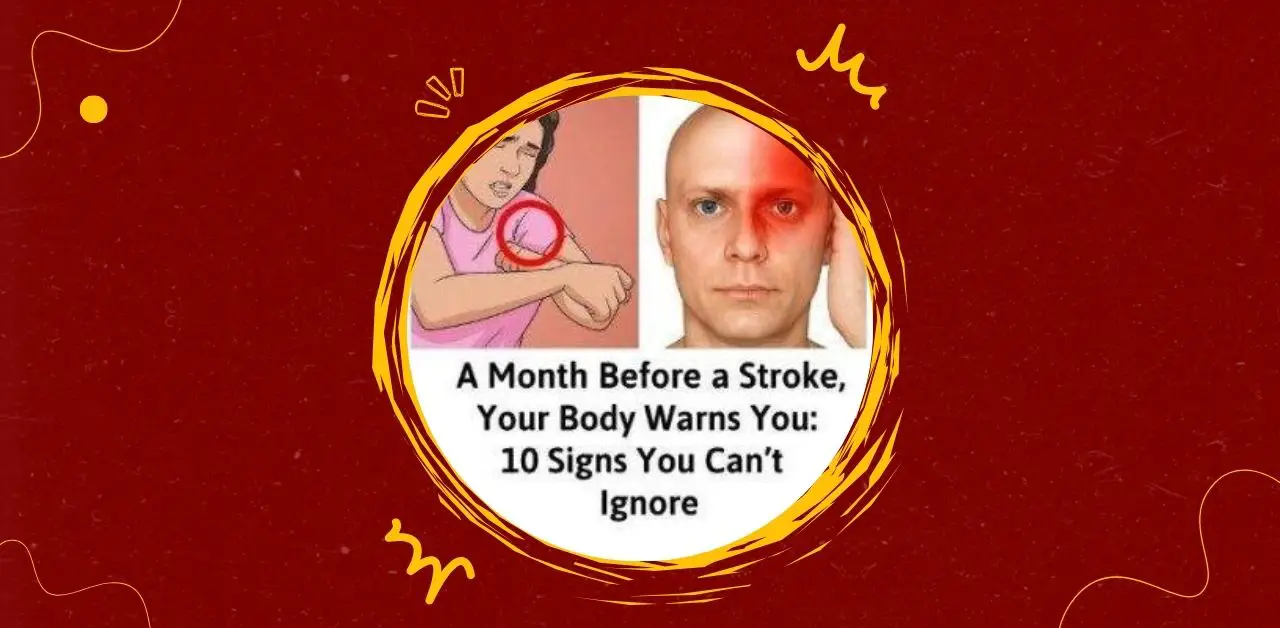
A stroke occurs when blood flow to part of the brain is interrupted or reduced, depriving brain tissue of oxygen and nutrients. Recognizing early warning signs is critical—timely medical attention can reduce the risk of severe complications. While strokes often seem sudden, some people experience symptoms days or even weeks before the event.
Common Warning Signs
Here are 10 signs that may appear before a stroke and should never be ignored:
- Sudden weakness or numbness in the face, arm, or leg (especially on one side of the body).
- Frequent headaches that are new, severe, or different from usual.
- Vision problems, such as blurred or double vision.
- Difficulty speaking or understanding speech.
- Loss of balance or coordination, leading to frequent stumbling.
- Dizziness or confusion without clear cause.
- Sudden fatigue or feeling unusually weak.
- Trouble swallowing or unexplained choking.
- Memory lapses or difficulty concentrating.
- Transient ischemic attacks (TIAs)—brief episodes of stroke-like symptoms that resolve quickly but signal high risk.
Why These Signs Matter
- TIAs are red flags: They’re sometimes called “mini-strokes” and often precede a major stroke.
- Sudden changes in function: Even if symptoms disappear, they may indicate underlying vascular problems.
- Early intervention saves lives: Seeking medical care immediately can prevent permanent damage.
Risk Factors to Watch
- High blood pressure
- Diabetes
- Smoking
- High cholesterol
- Sedentary lifestyle
- Family history of stroke
What To Do If You Notice Symptoms
- Act FAST:
- Face drooping
- Arm weakness
- Speech difficulty
- Time to call emergency services
- Do not wait for symptoms to pass—get medical help right away.
- Regular checkups and managing risk factors are essential for prevention.
Conclusion
A stroke can be devastating, but recognizing early warning signs gives you the chance to act before it’s too late. Pay attention to sudden changes in speech, vision, balance, or strength, and treat them as urgent signals. Prevention lies in awareness, healthy lifestyle choices, and timely medical care.