
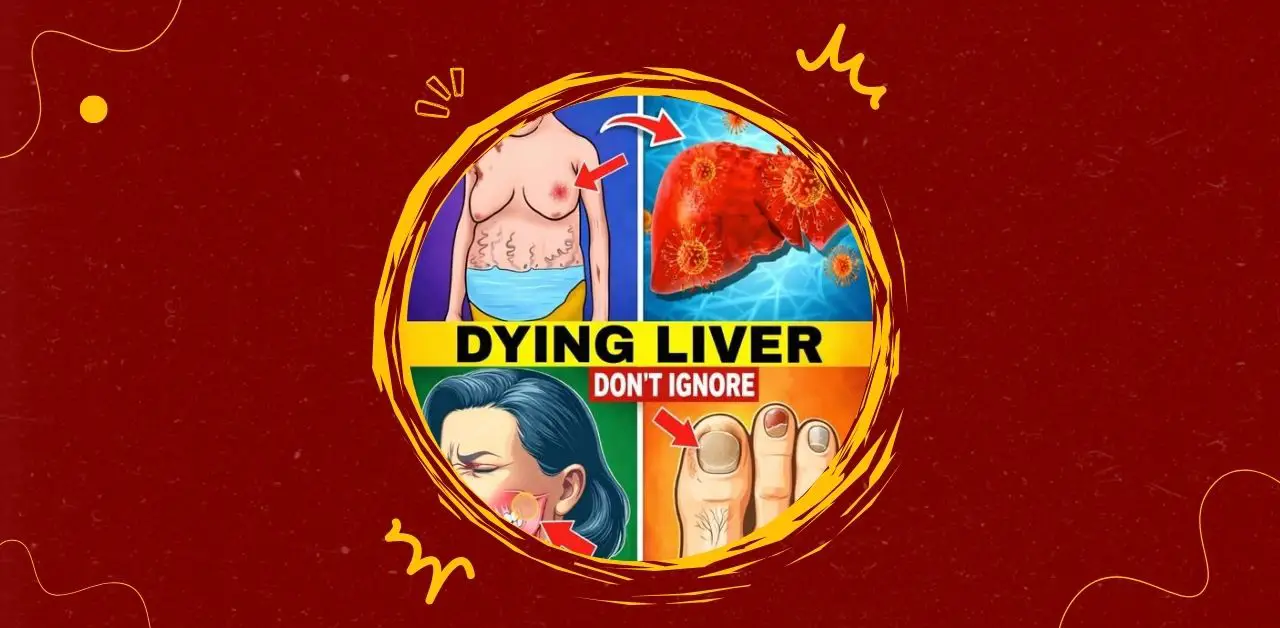
The liver is one of the body’s most important organs, responsible for filtering toxins, aiding digestion, and storing energy. Sometimes, fat can build up in the liver cells, a condition known as steatotic liver or fatty liver. While this is common and often silent in its early stages, paying attention to gentle signals from the body can help you take proactive steps toward wellness.
🌸 What Is Steatotic Liver?
Steatotic liver occurs when more than 5% of the liver’s weight is made up of fat. This can happen for a variety of reasons, including lifestyle, diet, or certain health conditions. It is not always serious, but if left unaddressed, it may gradually affect how the liver functions.
There are different forms:
- Alcohol-related fatty liver: Linked to frequent alcohol use.
- Metabolic-associated fatty liver: Connected to weight, blood sugar, and cholesterol balance.
- Inflammatory fatty liver: When fat buildup is accompanied by irritation in the liver.
🌼 Gentle Signs to Notice
In many cases, fatty liver does not cause strong symptoms. However, some subtle changes may appear over time:
- Feeling more tired than usual
- Mild discomfort in the upper right side of the abdomen
- Changes in appetite or digestion
- Slight swelling in the belly or ankles
- Skin or eyes looking a little yellow (jaundice)
- Nails or skin showing changes in tone
These signs are not always specific to the liver, but noticing them can encourage you to check in with a healthcare professional.
🌱 Contributing Factors
Several everyday factors can influence liver health:
- Diets high in processed foods or sugar
- Limited physical activity
- Weight gain or obesity
- Blood sugar imbalances
- Certain medications
- Family history of metabolic conditions
🌟 Supporting Liver Wellness
The encouraging news is that lifestyle adjustments can make a big difference. Here are gentle, practical steps:
- Balanced eating: Focus on fruits, vegetables, whole grains, and healthy fats.
- Movement: Regular walking, stretching, or light exercise supports circulation and metabolism.
- Hydration: Drinking enough water helps the liver filter and cleanse naturally.
- Mindful choices: Limiting alcohol and sugary drinks reduces strain on the liver.
- Rest: Adequate sleep allows the body to repair and restore.
🌸 Key Takeaway
Steatotic liver is often silent, but it is manageable with awareness and care. By noticing subtle changes in your body and embracing gentle lifestyle habits, you can support your liver’s natural resilience. Think of these steps not as restrictions, but as ways to nurture balance and vitality.