
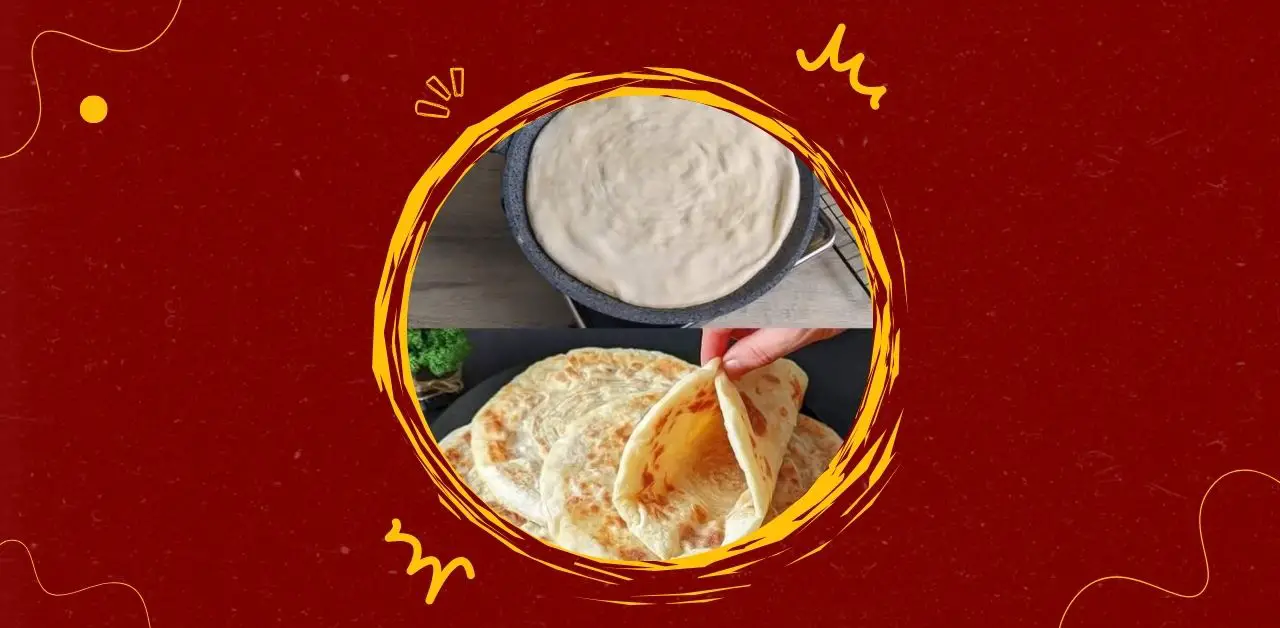
Soft Homemade Flatbreads are a staple in many kitchens around the world—simple, satisfying, and incredibly versatile. These flatbreads are made from a basic dough of flour, water, salt, and a leavening agent, then cooked on a hot pan until golden brown and lightly puffed. The result is a warm, pliable bread with a tender bite and subtle flavor that complements everything from grilled meats and vegetables to dips, curries, and spreads.
Unlike store-bought versions, homemade flatbreads offer freshness, texture, and customization. They can be made thick or thin, plain or herbed, and even stuffed or layered. The dough is easy to prepare and forgiving, making this recipe ideal for beginners and seasoned cooks alike. Whether you’re preparing a quick lunch wrap, a side for dinner, or a base for pizza or sandwiches, these flatbreads deliver comfort and flavor in every bite.
Cooked on a dry skillet or griddle, they develop golden spots and a soft, flexible texture that holds up well to folding and filling. They’re best served warm but can be stored and reheated easily. This recipe yields a batch of flatbreads that are perfect for sharing, storing, or freezing for later use.
INGREDIENTS:
For the dough:
- 3 cups all-purpose flour (plus extra for dusting)
- 1 teaspoon salt
- 1 teaspoon sugar (optional, for slight sweetness)
- 1 teaspoon baking powder (or ½ teaspoon instant yeast for a softer rise)
- 1 cup warm water (adjust as needed)
- 2 tablespoons plain yogurt (optional, for tenderness)
- 1 tablespoon oil (vegetable, olive, or melted butter)
Optional flavor additions:
- 1 teaspoon dried herbs (thyme, oregano, rosemary)
- ½ teaspoon garlic powder or crushed garlic
- 1 tablespoon chopped fresh coriander or parsley
- 1 tablespoon sesame seeds or nigella seeds
For cooking:
- Non-stick skillet or griddle
- Dry cloth or plate for stacking
- Optional: butter or ghee for brushing
INSTRUCTION:
Step 1: Prepare the dough
- In a large mixing bowl, combine flour, salt, sugar, and baking powder.
- Add yogurt and oil, then gradually pour in warm water while mixing.
- Stir until a shaggy dough forms, then knead on a floured surface for 8–10 minutes until smooth and elastic.
- If using instant yeast, let the dough rest covered for 1 hour to rise slightly.
- Cover the dough with a damp cloth and let rest for 30 minutes to relax the gluten.
Step 2: Divide and shape
- Once rested, divide the dough into 8 equal portions.
- Roll each portion into a ball and cover to prevent drying.
- On a lightly floured surface, roll each ball into a circle about 6–8 inches wide and ¼ inch thick.
- Keep the rolled flatbreads covered with a cloth until ready to cook.
Step 3: Cook the flatbreads
- Heat a non-stick skillet or griddle over medium-high heat.
- Place one flatbread on the hot surface and cook for 1–2 minutes until bubbles form and the underside has golden spots.
- Flip and cook the other side for another 1–2 minutes.
- Press gently with a spatula to encourage puffing.
- Remove and place on a plate lined with a cloth to keep warm.
- Repeat with remaining dough, stacking cooked flatbreads and covering to retain softness.
Step 4: Optional finishing
- Brush warm flatbreads with melted butter or ghee for added flavor.
- Sprinkle with herbs or seeds if desired.
- Serve immediately or cool and store.
SERVINGS:
This recipe yields 8 medium-sized flatbreads, suitable for 4 to 6 servings depending on usage. Perfect for wraps, sides, or layering with toppings.
NOTE:
Dough Tips
- Flour type: All-purpose flour gives softness; bread flour adds chew.
- Yogurt: Adds moisture and tang—can be omitted for a simpler dough.
- Water: Adjust based on flour absorption—dough should be soft but not sticky.
- Resting: Essential for pliability and easier rolling.
Cooking Tips
- Pan temperature: Medium-high heat ensures golden spots without burning.
- No oil needed: Cook dry for traditional texture; add oil for crispier edges.
- Puffing: Press gently with spatula or cloth to encourage air pockets.
- Stacking: Keeps flatbreads warm and soft—cover with cloth or foil.
Flavor Variations
- Herbed: Mix dried herbs into dough for aroma.
- Garlic: Add crushed garlic or garlic powder for savory twist.
- Seeded: Sprinkle sesame or nigella seeds before cooking.
- Spiced: Add cumin, chili flakes, or turmeric for color and heat.
Serving Suggestions
- With dips: Hummus, yogurt sauce, chutney, or baba ghanoush.
- With mains: Curries, grilled meats, roasted vegetables.
- As wraps: Fill with salad, chicken, or falafel.
- As pizza base: Top with sauce, cheese, and bake briefly.
Storage and Reheating
- Refrigeration: Store in airtight container for up to 3 days.
- Freezing: Stack with parchment between layers and freeze.
- Reheating: Warm on skillet or microwave with damp towel.
- Avoid drying: Keep covered to retain moisture.
Customization Ideas
- Stuffed version: Fill with cheese, herbs, or mashed potatoes before rolling.
- Layered version: Roll two thin rounds, brush with oil, and seal edges.
- Mini version: Make smaller rounds for appetizers or snacks.
- Thick version: Roll thicker for naan-style bread.
Practical Tips
- Batch prep: Make dough ahead and refrigerate.
- Uniform size: Use scale or measuring cup for equal portions.
- Presentation: Serve on wooden boards or linen-lined baskets.
- Garnish: Add fresh herbs or spice blends before serving.
Mindful Cooking
- Sensory cues: Watch for golden spots, soft texture, and warm aroma.
- Relaxation: Rolling and cooking is rhythmic—enjoy the process.
- Sharing joy: Perfect for family meals or gatherings—serve with warmth.
- Creative expression: Customize flavors and shapes to reflect your style.
- Seasonal twist: Add pumpkin puree in autumn or fresh herbs in spring.
- Cultural connection: Flatbreads are beloved worldwide—celebrate their versatility and heritage.