
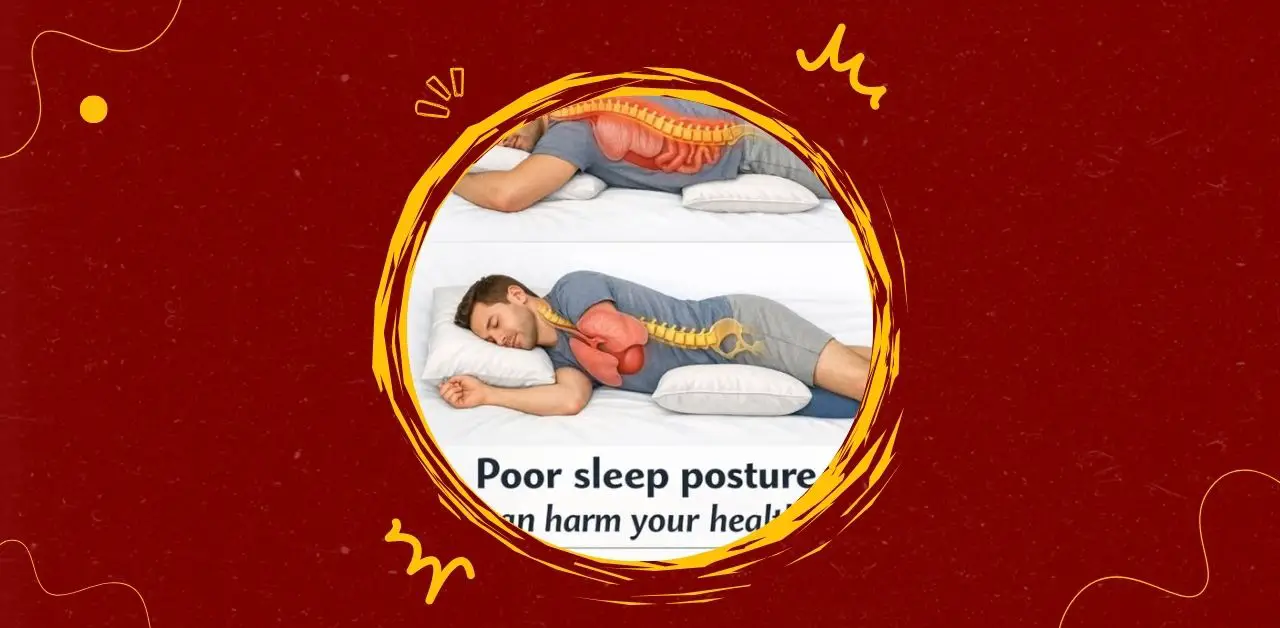
Poor sleep posture can quietly undermine your health, leading to back pain, disrupted breathing, and even digestive issues. Correcting your sleeping position can improve spinal alignment, reduce strain on internal organs, and enhance overall rest.
🛌 Why Sleep Posture Matters
- Sleep is when your body repairs itself.
- Misalignment of the spine during sleep can cause chronic pain and muscle tension.
- Poor posture may compress internal organs, affecting digestion and circulation.
- Over time, it can contribute to fatigue, headaches, and even nerve irritation.
⚠️ Common Poor Sleep Postures
- Curled fetal position: Overly tight curling strains the spine and restricts breathing.
- Stomach sleeping: Puts pressure on the neck and lower back, twisting the spine unnaturally.
- Unsupported side sleeping: Without a pillow between the knees, the hips tilt, misaligning the spine.
- Flat back without support: Can cause lower back arching and discomfort.
✅ Corrected Sleep Postures
- Side sleeping with support: Place a pillow between the knees to keep hips aligned.
- Back sleeping with lumbar support: Use a small pillow under knees to reduce lower back strain.
- Neck alignment: Ensure your pillow keeps the head level with the spine, not tilted up or down.
- Gentle fetal position: Slightly bent knees with a supportive pillow maintain comfort without strain.
🩺 Health Benefits of Proper Sleep Posture
- Spinal health: Reduces risk of chronic back and neck pain.
- Organ function: Prevents compression of lungs, stomach, and intestines.
- Circulation: Improves blood flow, reducing numbness and tingling.
- Sleep quality: Less tossing and turning, deeper rest.
- Joint relief: Proper alignment reduces hip and knee stress.
🛠️ Practical Tips
- Invest in a medium-firm mattress for balanced support.
- Use pillows strategically: under the head, between knees, or beneath lower back.
- Avoid overly high or flat pillows that strain the neck.
- Stretch gently before bed to relax muscles.
- Train your body gradually—if you’re a stomach sleeper, shift toward side or back sleeping.
🚨 When to Seek Help
If you experience persistent pain, numbness, or poor sleep despite posture correction, consult a healthcare professional. Issues like sleep apnea, scoliosis, or arthritis may require specialized support.
✅ Bottom Line: Correcting sleep posture is a simple yet powerful way to protect your spine, organs, and overall health. With the right pillow placement and mattress support, you can transform your nightly rest into true recovery.