
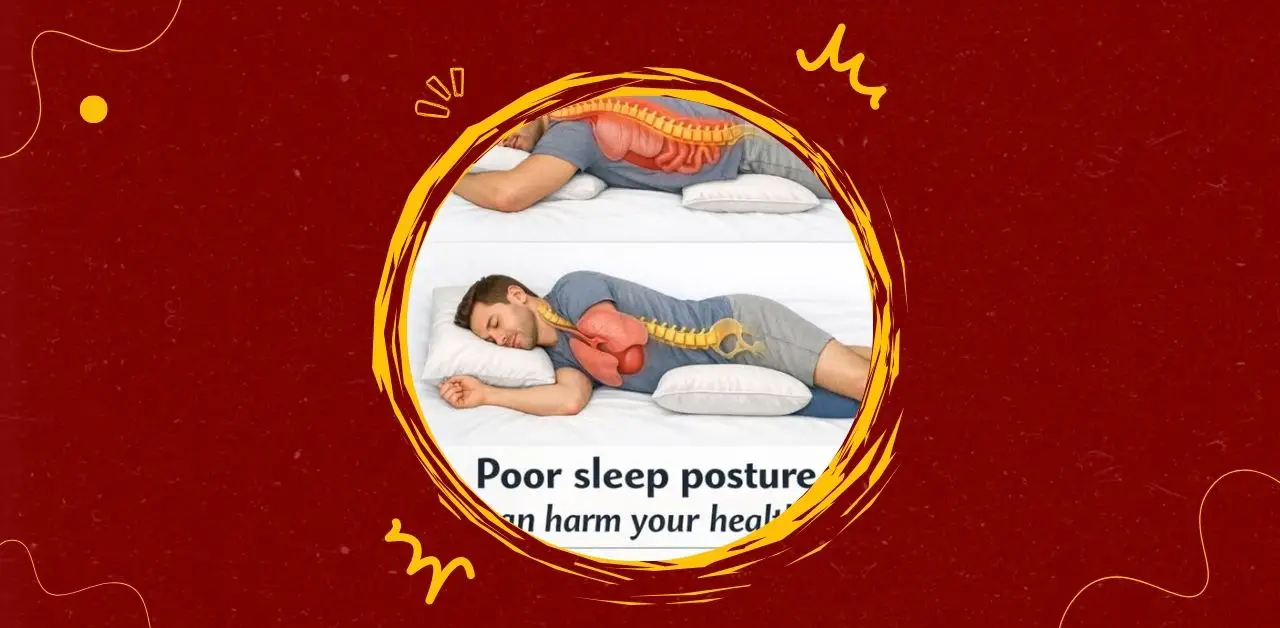
Sleep is more than rest—it’s a nightly reset for the body and mind. Yet the way we position ourselves during sleep can either support or undermine this process. Poor posture while sleeping can lead to spinal misalignment, organ compression, and long-term discomfort. Conversely, adopting supportive positions with the right use of pillows can enhance rest, reduce strain, and promote overall well-being. Understanding the mechanics of sleep posture helps us make small adjustments that yield big benefits.
The Risks of Poor Sleep Posture
- Spinal Misalignment: Sleeping on your side without support often causes the spine to curve unnaturally. Over time, this can lead to back pain, stiffness, and even nerve irritation.
- Organ Compression: Lying in a collapsed posture can press internal organs together, potentially affecting digestion and circulation.
- Muscle Strain: Unsupported positions force muscles to compensate, leading to tension in the neck, shoulders, and hips.
- Sleep Quality Reduction: Discomfort from poor posture can cause micro-awakenings, reducing deep sleep and leaving you fatigued.
Benefits of Correct Side Sleeping
When side sleeping is done with proper support, it becomes one of the healthiest positions.
- Spinal Alignment: Placing a pillow between the knees prevents the upper leg from pulling the spine out of alignment.
- Pressure Relief: A pillow under the torso or waist helps maintain a neutral curve, reducing strain on muscles.
- Organ Relaxation: Proper alignment reduces compression, allowing organs to rest naturally.
- Improved Breathing: Side sleeping can reduce snoring and sleep apnea symptoms by keeping airways open.
Best Practices for Healthy Sleep Posture
- Use a Supportive Mattress: Medium-firm mattresses often provide the best balance of comfort and spinal support.
- Position Pillows Strategically:
- Between the knees to align hips and spine.
- Under the torso or waist to prevent collapsing sideways.
- Under the head, ensuring the neck is aligned with the spine.
- Avoid Curling Too Tightly: A fetal-like curl can restrict breathing and strain the lower back.
- Alternate Sides: Switching sides occasionally prevents uneven pressure on organs and joints.
- Maintain Consistency: Training your body into a supportive posture takes time but pays off in long-term comfort.
Long-Term Health Implications
- Reduced Back Pain: Proper alignment minimizes stress on vertebrae and discs.
- Better Circulation: Avoiding compression supports blood flow throughout the body.
- Enhanced Digestion: Sleeping on the left side may aid digestion and reduce acid reflux.
- Improved Energy: Quality sleep posture promotes deeper rest, leaving you more refreshed.
Conclusion
Sleep posture is often overlooked, yet it plays a crucial role in health. Poor alignment can lead to discomfort and long-term issues, while supportive positioning with pillows can transform sleep into a restorative experience. By making small adjustments—like placing a pillow between the knees or under the torso—you can protect your spine, ease pressure on organs, and wake up feeling more energized. Sleep isn’t just about duration; it’s about quality, and posture is a key part of that equation.