
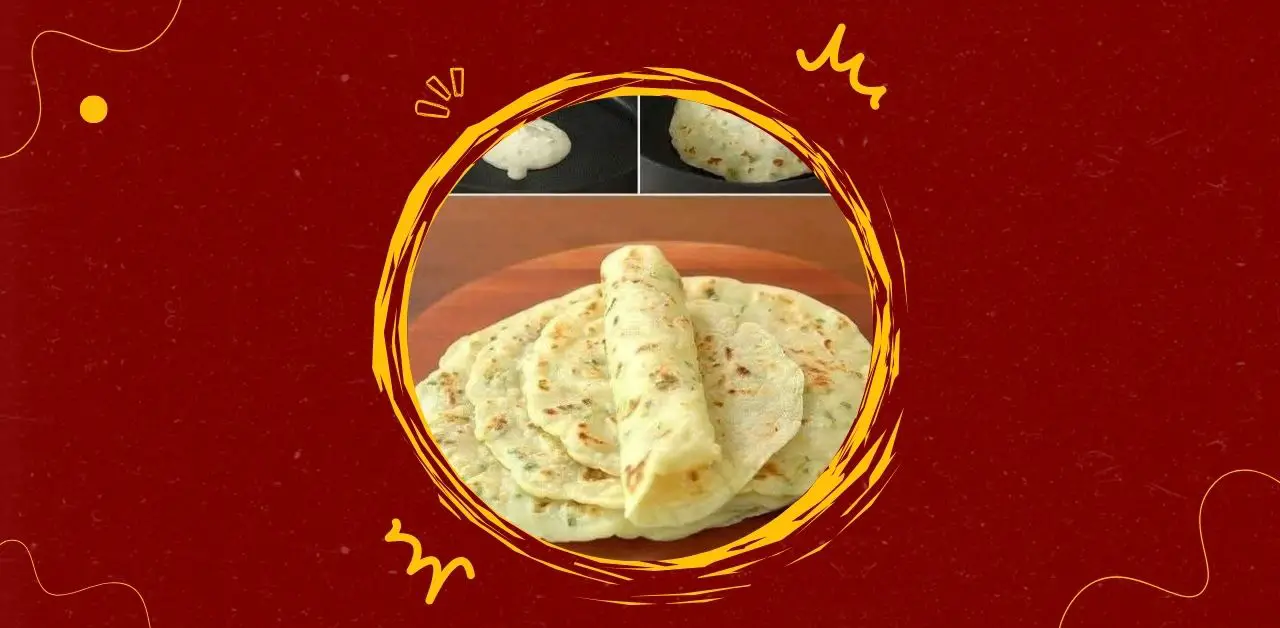
The Scallion Flatbread, often recognized as a variation of the traditional Chinese Cong You Bing or a savory pancake, is a masterclass in texture and minimalist flavor. This particular version utilizes a pourable batter technique, which creates a softer, more pliable, and slightly chewy flatbread compared to the flaky, laminated dough versions. It is an incredibly versatile staple that sits comfortably between a thin crepe and a hearty tortilla, making it the perfect vessel for wraps, a side for dipping into savory stews, or a standalone snack.
Visually, these flatbreads are beautiful in their simplicity. They feature a pale, ivory base speckled with vibrant green flecks of fresh scallions and golden-brown “beauty spots” where the batter has caramelized against the hot surface of the pan. The aroma is immediately captivating; as the green onions hit the hot oil, they release a sweet, toasted fragrance that permeates the kitchen. Because the batter is thin, the edges of the flatbread often develop a delicate, lacy crispness, while the center remains tender and flexible enough to roll without cracking. It is a dish that celebrates the harmony of flour, water, and aromatic herbs, providing a comforting, carb-forward experience that feels both light and substantial. Whether served at a bustling breakfast table or as an elegant accompaniment to a dinner feast, these scallion flatbreads are a testament to the idea that some of the world’s best flavors come from the simplest preparations.
INGREDIENTS
The key to a successful pourable flatbread is the hydration of the batter. It must be thick enough to hold the scallions in suspension but thin enough to spread easily across the pan.
The Batter Base:
- All-Purpose Flour (2 cups): Provides the necessary structure and gluten for a chewy texture.
- Cornstarch (2 tablespoons): A secret addition that prevents the flatbread from becoming too tough, adding a slight silken quality to the bite.
- Warm Water (2 ¼ cups): Using warm water (roughly 110°F) helps the flour hydrate faster and results in a more tender finished product.
- Large Egg (1): Acts as a binder and adds a subtle richness and golden color to the batter.
Aromatics and Seasoning:
- Fresh Scallions / Green Onions (1 cup, very finely sliced): Use both the white and green parts for a balance of sharp and sweet onion flavor.
- Toasted Sesame Oil (1 tablespoon): Infuses the entire batter with a deep, nutty aroma.
- Kosher Salt (1 teaspoon): Essential for bringing out the sweetness of the flour and onions.
- White Pepper (½ teaspoon): Provides a mild, floral heat that is more subtle than black pepper.
- Garlic Powder (½ teaspoon): For a background savory note.
For Cooking:
- Neutral Cooking Oil (Vegetable, Canola, or Grapeseed): About 1-2 teaspoons per flatbread to ensure a non-stick surface and to create those characteristic golden spots.
INSTRUCTIONS
Step 1: Preparing the Scallions
Begin by cleaning the scallions thoroughly. Trim the roots and any wilted tops. Slice them as thinly as possible into small rounds. The thinner the slices, the better they will integrate into the batter without creating large lumps that might cause the flatbread to tear when flipping. Set them aside in a small bowl.
Step 2: Mixing the Dry Ingredients
In a large mixing bowl, whisk together the all-purpose flour, cornstarch, salt, white pepper, and garlic powder. Sifting the flour beforehand can help ensure a perfectly smooth batter, though a vigorous whisking usually suffices.
Step 3: Creating the Liquid Component
In a separate jug or bowl, combine the warm water, the egg, and the toasted sesame oil. Whisk until the egg is completely integrated and the oil is dispersed throughout the water.
Step 4: Combining for the Batter
Slowly pour the liquid mixture into the dry ingredients while whisking constantly. Start from the center and move outward to gradually incorporate the flour. Continue whisking until the batter is completely smooth and resembles the consistency of heavy cream. It should flow easily off the whisk in a steady stream. If the batter feels too thick, add water one tablespoon at a time.
Step 5: Incorporating the Greens
Fold the finely sliced scallions into the batter. Give it a final stir to ensure the onions are evenly distributed. Let the batter rest for at least 15 to 20 minutes. This resting period is crucial as it allows the gluten to relax and the flour to fully hydrate, resulting in a much softer flatbread.
Step 6: Preparing the Pan
Heat a non-stick skillet or a flat griddle over medium heat. Add a teaspoon of oil and use a paper towel to wipe it across the surface, leaving just a thin, shimmering film. You want enough oil to fry the batter slightly, but not so much that the flatbread becomes greasy.
Step 7: Pouring and Spreading
Using a ladle, pour approximately ½ cup of batter into the center of the hot pan (adjust the amount based on the size of your pan). Immediately lift the pan and tilt it in a circular motion to spread the batter into a thin, even circle, just like making a crepe. Alternatively, you can use the back of the ladle to gently spiral the batter outward.
Step 8: The First Side
Cook the flatbread for about 2 minutes. You will see the edges start to lift and the top surface transition from a wet, shiny look to an opaque, matte finish. Use a spatula to peek underneath; once you see scattered golden-brown spots, it is time to flip.
Step 9: The Second Side
Flip the flatbread with a quick, confident motion. Press down lightly with the spatula to ensure the scallions make contact with the heat. Cook for another 1 to 2 minutes on the second side. The flatbread should remain soft and pliable, so avoid overcooking it until it becomes brittle.
Step 10: Keeping Warm
Remove the finished flatbread and place it on a plate. Cover it immediately with a clean kitchen towel or another inverted plate. The steam trapped under the cover will help keep the flatbreads soft and flexible as you cook the remaining batch. Repeat the process with the remaining batter, adding a tiny bit of oil to the pan between each one.
SERVINGS
- Yields: 8 to 10 flatbreads (depending on pan size)
- Prep Time: 10 minutes (plus 20 minutes resting)
- Cook Time: 20 minutes
- Total Time: 50 minutes
NOTE
Tips for Customization and Perfection:
- Dipping Sauce: These flatbreads are exponentially better when served with a simple dipping sauce. Mix 3 tablespoons of soy sauce, 1 tablespoon of rice vinegar, a teaspoon of sugar, and a drizzle of chili oil or sriracha.
- Texture Variations: If you prefer a crispier, more “pancake-like” texture, use slightly less water in the batter to make it thicker and increase the amount of oil in the pan. The thicker batter will fry more than it steams.
- Filling Ideas: Use these as a wrap for Peking duck-style chicken, stir-fried vegetables, or even breakfast items like scrambled eggs and bacon. Their flexibility makes them an excellent alternative to flour tortillas.
- Storage: These store exceptionally well. Wrap them in plastic wrap or parchment paper and keep them in the fridge for up to 3 days. To reheat, simply toss them back into a dry pan over medium heat for 30 seconds per side to restore their pliability.
- Freezing: You can freeze these with parchment paper between each layer. Reheat directly from frozen in a pan or toaster oven.
- Spice it Up: For a bit of heat, add a finely minced Thai bird’s eye chili or a teaspoon of red pepper flakes directly into the batter along with the scallions.
- Grease Management: If the flatbreads start to look dull or stick, you aren’t using enough oil. If they are dripping with oil, you’re using too much. A light “sheen” on the pan is the goal for that perfect balance of softness and caramelization.