
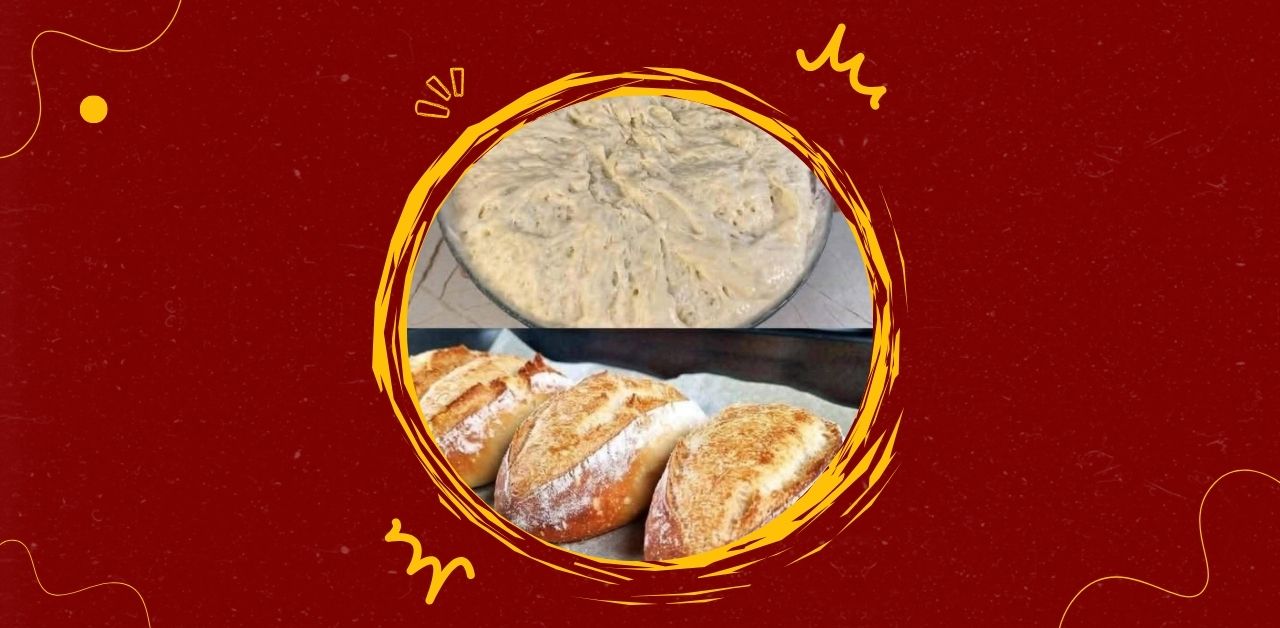
Rustic Homemade Bread Loaves are a celebration of simplicity and tradition. With a golden-brown crust, soft and airy interior, and a rich aroma that fills the kitchen, these loaves are the result of time, patience, and a few humble ingredients. Whether served warm with butter, used for sandwiches, or dipped into soups and stews, this bread offers a comforting, wholesome experience that’s hard to match.
The process begins with a well-hydrated dough that undergoes slow fermentation, allowing the yeast to develop flavor and structure. The dough rises until bubbly and elastic, then shaped into loaves and baked until the crust is crisp and the crumb is tender. The slashes on top not only guide the expansion but also give the bread its rustic character.
This recipe is ideal for beginners and seasoned bakers alike. It requires no fancy equipment—just a bowl, your hands, and an oven. The result is a versatile loaf that can be adapted with herbs, seeds, or whole grains. It’s a timeless staple that brings warmth and nourishment to any table.
INGREDIENTS:
For the dough:
- 4 cups all-purpose flour (or bread flour for chewier texture)
- 1 ½ teaspoons salt
- 1 tablespoon sugar (optional, for flavor and browning)
- 2 teaspoons instant dry yeast
- 1 ½ cups warm water (around 40°C or 105°F)
- 2 tablespoons olive oil or melted butter (optional for softness)
Optional additions:
- 1 tablespoon dried herbs (rosemary, thyme, oregano)
- 1 tablespoon sesame seeds, flaxseeds, or sunflower seeds
- 1 tablespoon milk powder (for richer crumb)
For shaping and baking:
- Extra flour for dusting
- Parchment paper
- Sharp knife or bread lame for scoring
- Water for steam (optional)
INSTRUCTION:
Step 1: Activate the yeast
- In a small bowl, combine warm water and sugar.
- Sprinkle yeast over the surface and let sit for 5–10 minutes until foamy.
- If using instant yeast, this step can be skipped and yeast added directly to flour.
Step 2: Mix the dough
- In a large mixing bowl, combine flour, salt, and any optional dry ingredients.
- Add the activated yeast mixture and olive oil.
- Stir with a wooden spoon or hand until a shaggy dough forms.
- Knead on a floured surface for 8–10 minutes until smooth and elastic.
- Alternatively, use a stand mixer with a dough hook for 5–6 minutes.
Step 3: First rise (bulk fermentation)
- Place dough in a lightly oiled bowl and cover with a damp cloth or plastic wrap.
- Let rise in a warm place for 1 to 1.5 hours until doubled in size.
- Dough should be airy and slightly sticky with visible bubbles.
Step 4: Shape the loaves
- Punch down the dough gently to release gas.
- Divide into 2 or 3 equal portions depending on desired loaf size.
- Shape each portion into a round or oval loaf.
- Place on a parchment-lined tray, spaced apart.
- Cover loosely and let rest for 30–45 minutes for second rise.
Step 5: Score and bake
- Preheat oven to 220°C (425°F). Place a metal tray of water at the bottom for steam.
- Dust loaves lightly with flour.
- Use a sharp knife or bread lame to make 2–3 slashes on top of each loaf.
- Bake for 25–30 minutes until crust is golden and sounds hollow when tapped.
- For extra crispness, bake 5 more minutes with oven door slightly ajar.
Step 6: Cool and serve
- Transfer loaves to a wire rack.
- Let cool for at least 20 minutes before slicing.
- Serve warm or store in a bread box or cloth bag.
SERVINGS:
This recipe yields 2 to 3 medium-sized loaves, each serving 4 to 6 people depending on slice thickness. Perfect for family meals, gatherings, or weekly bread prep.
NOTE:
Flour Tips
- All-purpose flour: Soft crumb, mild flavor.
- Bread flour: Higher protein, chewier texture.
- Whole wheat: Use up to 50% for denser, nuttier loaves.
- Gluten-free: Requires different ratios and binders—not interchangeable.
Yeast Tips
- Instant yeast: Convenient, no activation needed.
- Active dry yeast: Must be proofed in warm water.
- Fresh yeast: Use triple the amount of dry yeast.
- Storage: Keep yeast in airtight container in fridge or freezer.
Hydration Tips
- Water temperature: Warm but not hot—too hot kills yeast.
- Sticky dough: Indicates good hydration—don’t over-flour.
- Humidity: Affects rise time—adjust based on environment.
Kneading Tips
- By hand: Use heel of palm, fold and push.
- Windowpane test: Stretch dough—should form thin membrane without tearing.
- Resting: Let dough relax if it resists shaping.
Shaping Tips
- Tight surface tension: Helps loaves rise upward.
- Seam side down: Ensures smooth top.
- Scoring: Controls expansion and adds rustic look.
Baking Tips
- Steam: Creates glossy crust—use tray of water or spray oven walls.
- Thermometer: Internal temp should reach 90–95°C (195–205°F).
- Crust color: Deep golden indicates full flavor development.
Serving Suggestions
- With butter: Classic and comforting.
- With soup: Dip into broths or stews.
- For sandwiches: Slice and fill with meats, cheeses, or veggies.
- For breakfast: Toast with jam, honey, or eggs.
Storage and Shelf Life
- Room temperature: Store in cloth bag for 2–3 days.
- Freezing: Wrap tightly and freeze for up to 1 month.
- Reheating: Warm in oven at 160°C (320°F) for 5–10 minutes.
- Avoid fridge: Accelerates staling.
Customization Ideas
- Herbed version: Add rosemary, thyme, or basil.
- Seeded version: Mix in flax, sesame, or sunflower seeds.
- Cheesy version: Fold in shredded cheese before shaping.
- Sweet version: Add raisins, cinnamon, or honey.
Practical Tips
- Batch prep: Double recipe and freeze extra loaves.
- Uniform size: Use scale for equal portions.
- Presentation: Serve on wooden boards or linen-lined baskets.
- Garnish: Sprinkle flour or seeds before baking.
Mindful Baking
- Sensory cues: Watch for bubbling dough, golden crust, and warm aroma.
- Relaxation: Kneading and shaping are grounding—enjoy the rhythm.
- Sharing joy: Perfect for family meals or gifting—serve with warmth.
- Creative expression: Customize flavors and shapes to reflect your style.
- Seasonal twist: Add pumpkin puree in autumn or citrus zest in spring.
- Cultural connection: Bread is a universal symbol—celebrate its heritage and versatility.