
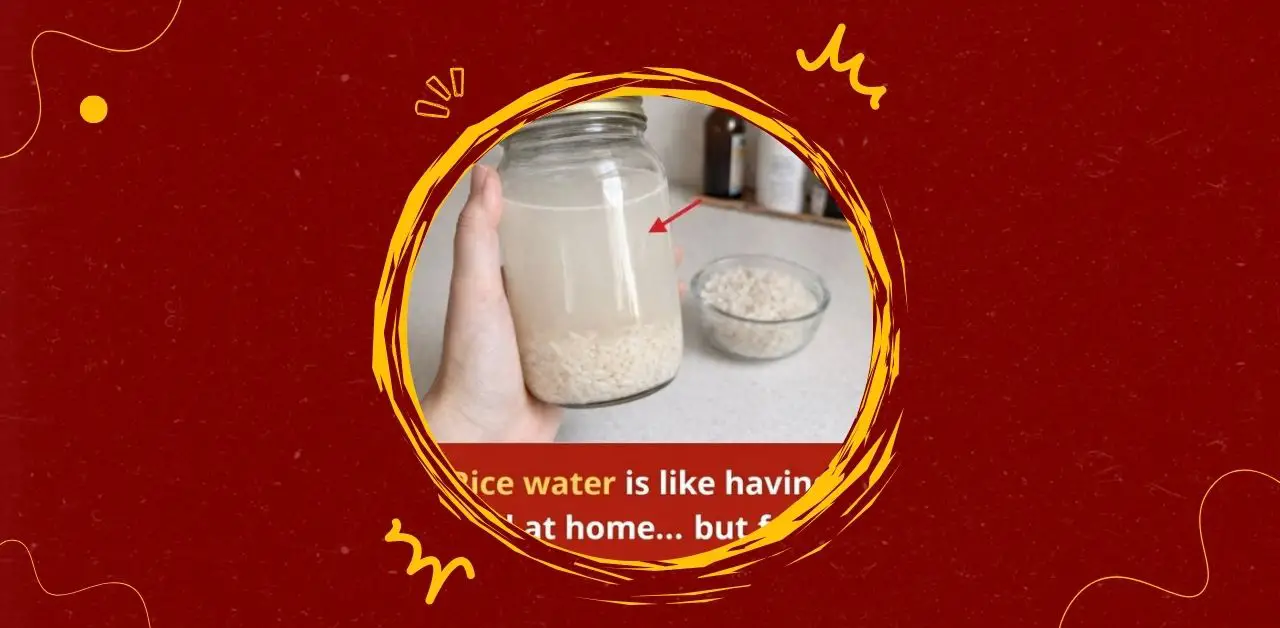
Rice water, the cloudy liquid left behind after soaking or boiling rice, has been treasured for centuries across cultures as a natural remedy for beauty and wellness. Though it may appear simple, this humble byproduct is packed with nutrients that make it a powerful tool for hair care, skincare, and even household uses. Often overlooked, rice water is like liquid gold—accessible, affordable, and surprisingly versatile.
The Origins and Tradition
Rice water has deep roots in history. In East Asia, women from the Heian period in Japan were known for their long, lustrous hair, which they maintained by rinsing it with rice water. Similarly, in China, the Yao women of Huangluo village—famous for their floor-length hair—attribute their hair’s strength and shine to regular rice water treatments. These traditions highlight the enduring belief in rice water’s benefits, passed down through generations.
Nutritional Composition
The secret behind rice water’s effectiveness lies in its composition. It contains vitamins such as B and E, minerals, amino acids, and antioxidants. These nutrients nourish both hair and skin, supporting repair, hydration, and protection. Fermented rice water, in particular, enhances these properties by lowering pH levels and increasing antioxidant content, making it even more potent.
Benefits for Hair
Rice water is most celebrated for its impact on hair health. When applied as a rinse, it strengthens strands, reduces breakage, and enhances shine. The amino acids help repair damaged hair, while the starch coats the strands, creating a smoother texture. Many people find that regular use improves elasticity, making hair less prone to split ends. It also soothes the scalp, reducing irritation and promoting healthier growth.
Benefits for Skin
Beyond hair, rice water is a gentle yet effective skincare solution. Its cooling properties calm inflammation, making it useful for soothing sunburns or irritated skin. The antioxidants help fight free radicals, slowing down signs of aging. Used as a toner, rice water tightens pores and balances oil production, leaving the skin refreshed. Its natural starch also provides a mild brightening effect, giving the complexion a healthy glow.
How to Make Rice Water
There are two common methods:
- Soaking Method: Rinse half a cup of rice to remove impurities, then soak it in two cups of water for 30 minutes. Strain the liquid into a clean container.
- Boiling Method: Cook rice with extra water, then strain the excess liquid once cooled. This version is thicker and richer in starch.
For enhanced benefits, rice water can be fermented. Simply leave the prepared rice water at room temperature for 24–48 hours until it develops a slightly sour smell. Fermentation boosts its nutrient profile and effectiveness.
Practical Uses
- Hair Rinse: Apply rice water after shampooing, leave for 10–15 minutes, then rinse with plain water.
- Facial Toner: Dab rice water onto the skin with a cotton pad to tighten pores and refresh the complexion.
- Soothing Treatment: Use it to calm minor skin irritations or sunburn.
- Household Use: Rice water can even be used to water plants, as its nutrients enrich the soil.
Conclusion
Rice water is a remarkable example of how everyday ingredients can hold extraordinary value. What many discard as waste is, in fact, a nutrient-rich solution with wide-ranging benefits. From strengthening hair to rejuvenating skin, rice water embodies the wisdom of traditional practices while offering modern convenience. Its simplicity makes it accessible to all, yet its effectiveness rivals many commercial products. By incorporating rice water into daily routines, one taps into a timeless secret that continues to prove its worth across generations.