
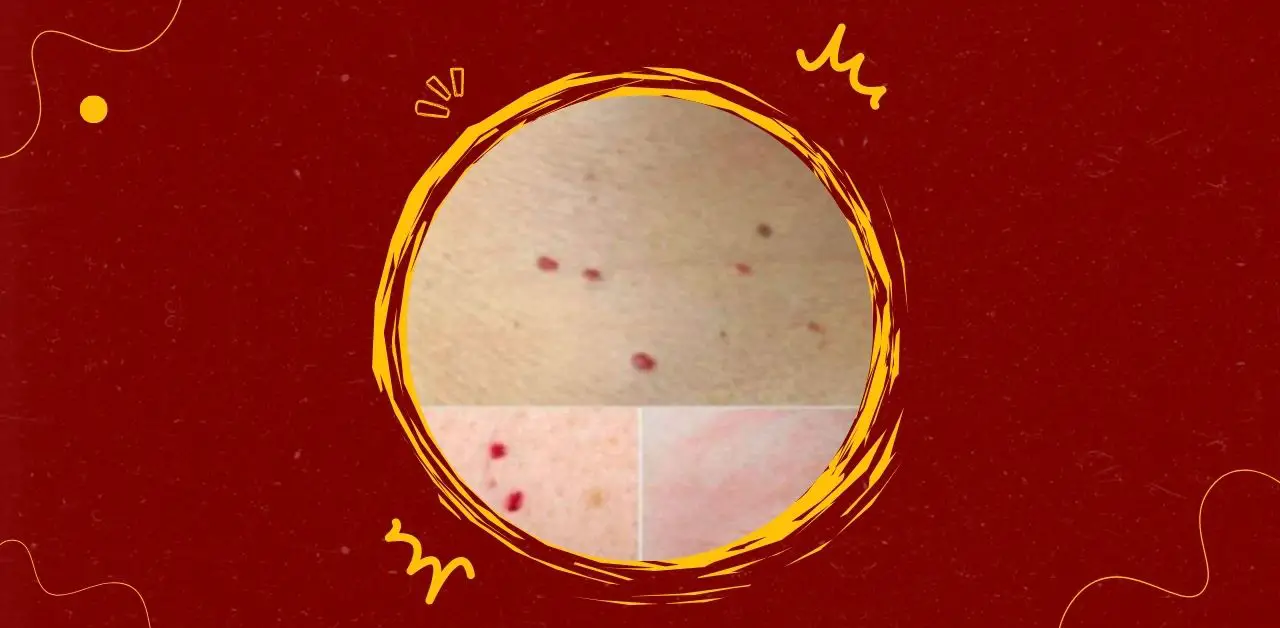
Red spots on the skin are a common occurrence and can appear in various shapes, sizes, and intensities. They may be flat or raised, clustered or scattered, and sometimes accompanied by itching, discomfort, or no symptoms at all. While most red spots are harmless and temporary, they can occasionally signal underlying conditions that require attention. Understanding their causes, appearance, and care helps in managing them effectively and knowing when to seek professional advice.
Common Causes of Red Spots
Red spots can result from a wide range of factors, including:
- Irritation or allergic reactions: Contact with certain fabrics, soaps, or chemicals can trigger redness.
- Heat rash: Excessive sweating may block pores, leading to small red bumps.
- Insect bites: Mosquitoes, fleas, or bedbugs often leave red marks on the skin.
- Skin conditions: Issues such as eczema, psoriasis, or dermatitis can cause persistent red patches.
- Infections: Viral or bacterial infections may present with red spots as part of their symptoms.
Appearance and Variations
Red spots can differ in presentation:
- Flat patches: Often linked to irritation or mild allergic reactions.
- Raised bumps: Common in insect bites or heat rash.
- Clustered spots: May indicate a rash or infection.
- Bright red dots: Sometimes caused by broken capillaries or minor bleeding under the skin.
The appearance often provides clues about the underlying cause, though professional evaluation may be necessary for certainty.
Risk Factors
Certain factors increase the likelihood of developing red spots:
- Sensitive skin prone to irritation.
- Exposure to allergens such as pollen, dust, or chemicals.
- Hot and humid environments that encourage sweating.
- Pre-existing skin conditions.
- Weakened immune systems that make infections more likely.
Care and Management
Most red spots can be managed with simple care routines:
- Keep skin clean: Wash gently with mild soap and lukewarm water.
- Avoid scratching: Scratching can worsen irritation and increase risk of infection.
- Use soothing remedies: Aloe vera gel or cool compresses can reduce discomfort.
- Moisturize regularly: Hydrated skin is less prone to irritation.
- Identify triggers: Pay attention to new products, foods, or environments that may cause reactions.
When to Seek Medical Advice
While many red spots are harmless, medical attention may be needed if:
- Spots spread rapidly or worsen over time.
- They are accompanied by fever, pain, or swelling.
- They persist for weeks without improvement.
- They appear suddenly without clear cause.
Conclusion
Red spots on the skin are a common and often harmless occurrence, reflecting the body’s response to irritation, environmental factors, or minor conditions. With proper care, most spots fade naturally. However, paying attention to unusual patterns or persistent marks ensures that any underlying issues are addressed promptly. By combining awareness with simple routines, skin health can be maintained and discomfort minimized.