
Oral health is a vital part of overall well-being, yet it is often overlooked until discomfort or visible changes appear. The mouth is a sensitive area, and early signs of disease or infection can manifest in subtle ways—swelling, sores, or redness. Paying attention to these symptoms is important, as they may indicate underlying conditions that require care.
This article explores common early oral symptoms, what they may suggest, and why timely attention is essential. The goal is not to diagnose but to raise awareness of how the body communicates through changes in the mouth.
Swelling Under the Tongue or Floor of the Mouth
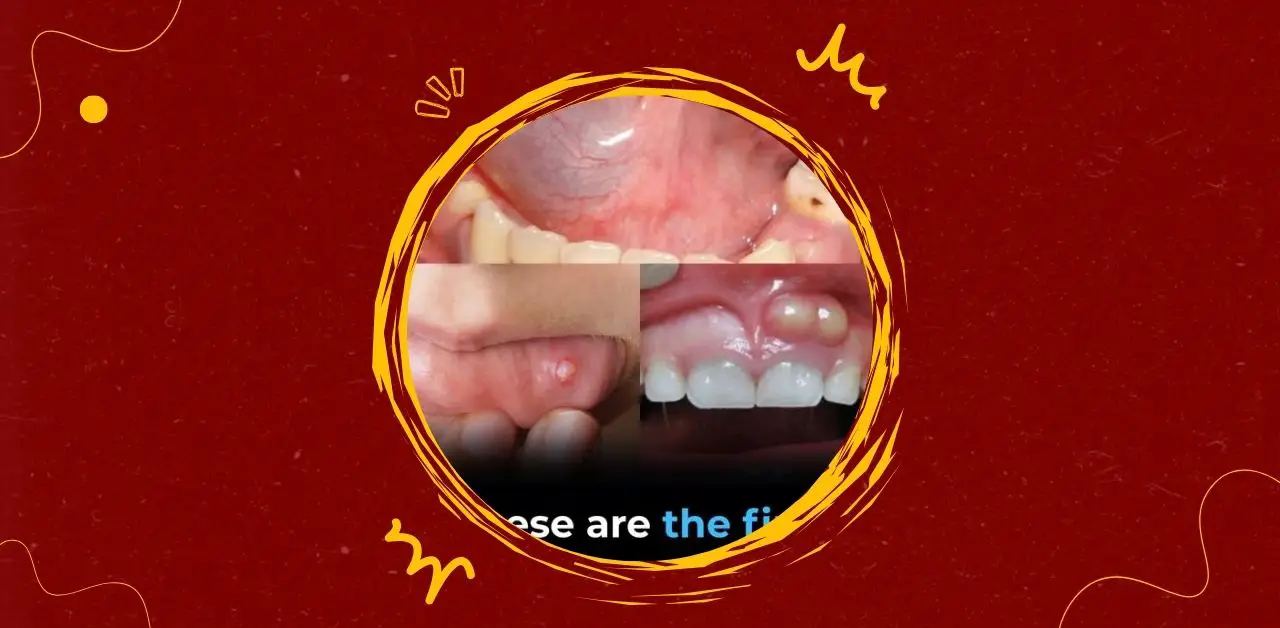
One of the first signs of oral issues can be swelling beneath the tongue or along the floor of the mouth. This may feel uncomfortable or appear visibly enlarged. Such swelling can result from blocked salivary glands, infections, or irritation. While sometimes temporary, persistent swelling should not be ignored, as it may signal an underlying condition that needs evaluation.
Lesions or Sores on the Lips
Raised lesions or sores on the lips are another common early symptom. These may appear as small bumps, blisters, or ulcers. Causes can range from minor irritation to viral infections or even precancerous changes. While many lip sores heal naturally, recurring or persistent lesions should be taken seriously. They may indicate a need for medical attention to rule out more significant issues.
Redness and Swelling of the Gums
Healthy gums are firm and pink. When gums become red, swollen, or tender, it often points to inflammation. Gingivitis, the earliest stage of gum disease, commonly presents this way. Left untreated, it can progress to more severe periodontal disease, which affects the supporting structures of the teeth. Early recognition of gum changes allows for preventive care, reducing the risk of long-term complications.
Why Early Symptoms Matter
The mouth is a gateway to the body, and oral health is closely linked to overall health. Infections in the mouth can spread, gum disease has been associated with systemic conditions like heart disease, and oral cancers often begin with subtle changes. Recognizing early symptoms provides an opportunity for timely intervention, which can prevent progression and protect both oral and general health.
Practical Steps for Awareness
- Regular Self-Checks: Look at your tongue, lips, and gums in the mirror. Notice any changes in color, texture, or size.
- Oral Hygiene: Brush and floss daily to reduce irritation and inflammation.
- Balanced Diet: Nutrients such as vitamin C and calcium support gum and tissue health.
- Hydration: Adequate water intake helps maintain saliva flow, which protects against infection.
- Professional Care: Routine dental visits allow for early detection of issues that may not be obvious at home.
Conclusion
Early oral symptoms—such as swelling under the tongue, sores on the lips, or redness in the gums—are signals worth paying attention to. They may reflect minor irritations, but they can also be the first signs of more serious conditions. Awareness, combined with good oral hygiene and regular professional care, helps ensure that small issues do not grow into larger problems.
Oral health is not just about teeth—it is about the entire system of tissues, glands, and structures that support daily life. By listening to the body’s signals and responding with care, individuals can protect their health and maintain comfort, confidence, and vitality.