
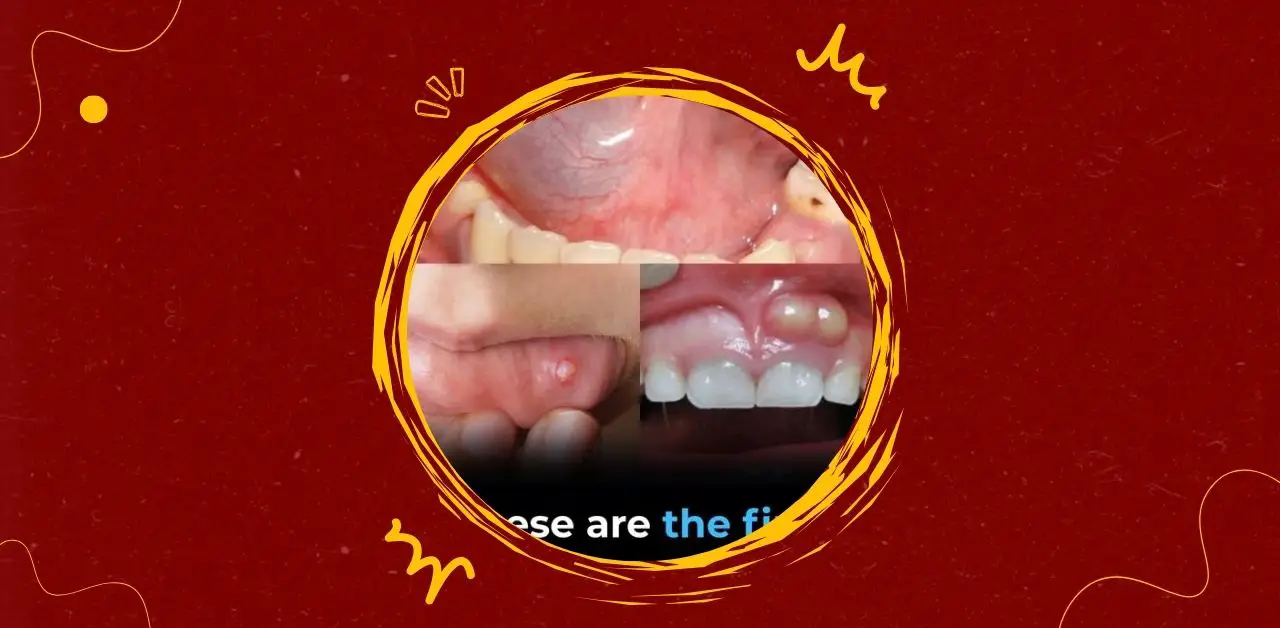
Oral health is a vital part of overall well-being, yet it is often overlooked until discomfort arises. The mouth is a gateway to the body, and changes in its condition can reflect both local and systemic health concerns. Paying attention to early signs—such as swelling, redness, or sores—can help prevent complications and encourage timely care. Understanding these signals allows individuals to take proactive steps toward maintaining a healthy mouth and a confident smile.
Common Early Indicators
Several visible changes may suggest that the mouth needs extra attention:
- Swelling under the tongue: This may indicate irritation or fluid buildup.
- Sores on the inner lip: Small lesions can arise from friction, minor injuries, or sensitivity to certain foods.
- Redness and gum swelling: Inflamed gums are often an early sign of imbalance in oral hygiene.
These changes are not always severe, but they serve as important reminders to monitor oral health closely.
Causes of Oral Discomfort
Oral issues can stem from a variety of factors:
- Poor hygiene habits: Inadequate brushing or flossing may allow plaque buildup.
- Dietary influences: Excess sugar, acidic foods, or lack of essential nutrients can weaken oral tissues.
- Stress and lifestyle: Stress can contribute to mouth sores, while smoking or excessive caffeine may irritate gums.
- Underlying conditions: Sometimes, oral changes reflect broader health concerns, making them important signals to notice.
Recognizing these causes helps individuals make adjustments that support long-term wellness.
Preventive Care Practices
Maintaining oral health requires consistent, mindful habits:
- Daily Cleaning: Brush teeth twice a day with fluoride toothpaste and floss regularly to remove plaque between teeth.
- Balanced Diet: Incorporate fruits, vegetables, and calcium-rich foods to strengthen teeth and gums.
- Hydration: Drinking water helps wash away food particles and supports saliva production, which naturally protects the mouth.
- Routine Checkups: Regular dental visits allow professionals to identify and address issues early.
- Stress Management: Relaxation techniques can reduce the likelihood of stress-related sores.
These simple steps form the foundation of strong oral health.
Natural Comfort Measures
In addition to professional care, gentle natural remedies can provide comfort:
- Saltwater rinses: A mild rinse can soothe irritation and keep the mouth clean.
- Herbal teas: Chamomile or green tea may calm inflamed tissues when used as a rinse.
- Aloe vera gel: Known for its soothing properties, aloe can be applied sparingly to irritated areas.
These approaches are supportive, offering relief while encouraging healing.
Importance of Early Attention
Ignoring oral changes can allow minor issues to progress into more serious conditions. By noticing early signs—such as swelling, redness, or sores—individuals can take timely action. This not only prevents discomfort but also protects overall health, as oral conditions are often linked to systemic wellness. Early attention ensures that small problems remain manageable and do not interfere with daily life.
Conclusion
Oral health is a reflection of both hygiene and overall well-being. Recognizing early signs such as swelling, redness, or sores empowers individuals to act quickly, preventing complications and maintaining comfort. Through consistent care, balanced nutrition, and mindful habits, the mouth can remain healthy and resilient. By treating oral health as an essential part of daily wellness, we safeguard not only our smile but also our broader vitality.