
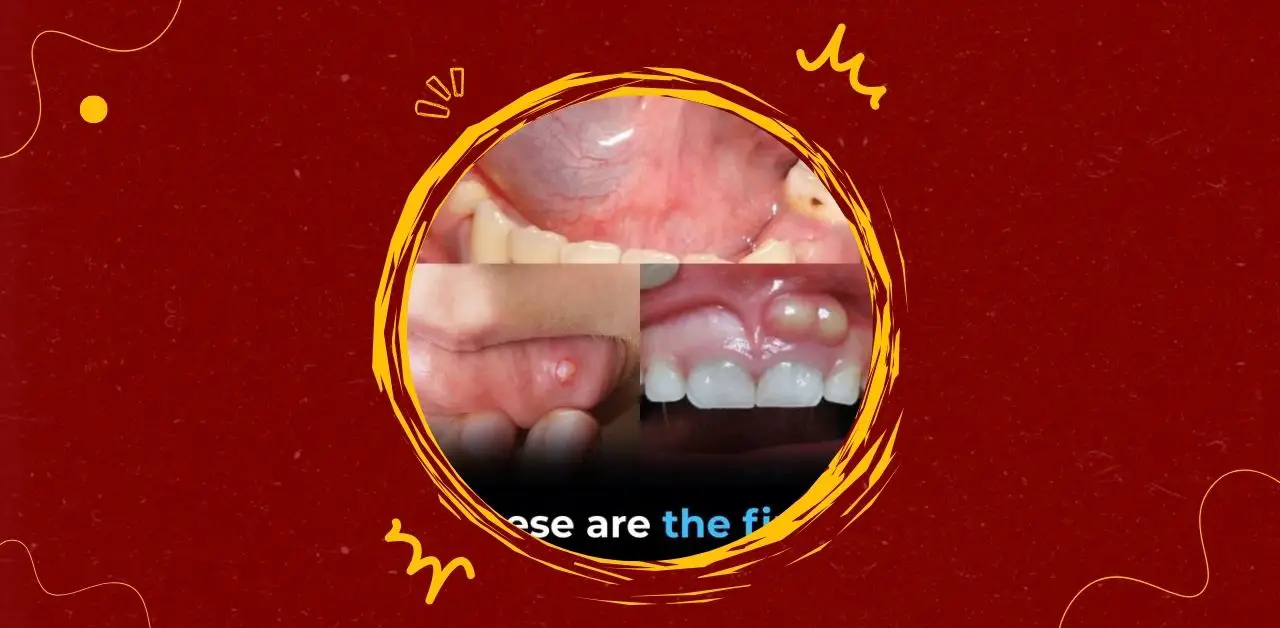
The mouth is one of the most important gateways to overall health, and changes within it often provide early signals of underlying conditions. Swelling, redness, or lesions inside the mouth can be among the first noticeable symptoms of infection, irritation, or systemic illness. Paying attention to these signs is essential, as they can indicate issues ranging from minor irritations to more serious medical concerns.
Common Early Symptoms in the Mouth
- Redness and Swelling: Inflammation of the gums, tongue, or inner lips is often the body’s response to irritation or infection. Gum swelling may be linked to gingivitis, while redness under the tongue can suggest irritation or early infection.
- Lesions or Bumps: Raised areas on the lips or inside the mouth may be caused by canker sores, viral infections, or trauma from biting or irritation. While many lesions are harmless and resolve on their own, persistent or painful bumps should be evaluated.
- Tenderness or Pain: Discomfort when eating, drinking, or speaking can signal inflammation or infection. Pain localized to a specific area may point to dental issues, while widespread soreness could indicate systemic conditions.
- Changes in Gum Appearance: Red, swollen gums near the teeth may be an early sign of periodontal disease, which, if untreated, can progress to more serious dental problems.
Possible Causes
- Oral Infections: Bacterial or viral infections can cause swelling, redness, and lesions.
- Irritation or Trauma: Biting the lip, consuming very hot foods, or friction from dental appliances may lead to temporary bumps or sores.
- Nutritional Deficiencies: Lack of vitamins such as B12, iron, or folate can manifest as mouth sores or gum changes.
- Systemic Conditions: Some autoimmune or chronic illnesses first show symptoms in the mouth, making oral health an important diagnostic tool.
Importance of Early Recognition
Identifying these symptoms early allows for timely intervention. Minor irritations often resolve with simple care, such as maintaining oral hygiene and avoiding irritants. However, persistent or worsening symptoms may require professional evaluation to rule out infections, nutritional deficiencies, or more serious conditions.
Practical Steps for Oral Health
- Brush and floss regularly to reduce bacterial buildup.
- Stay hydrated to maintain moisture in the mouth.
- Avoid excessive consumption of irritants such as tobacco, alcohol, or very spicy foods.
- Monitor changes in the mouth and seek professional advice if symptoms persist beyond two weeks.
Conclusion
Early oral symptoms such as swelling, redness, and lesions are important signals that should not be ignored. While many causes are minor and temporary, persistent changes may indicate underlying health issues that require attention. By recognizing these signs and maintaining consistent oral care, individuals can protect both their dental health and overall well-being.