
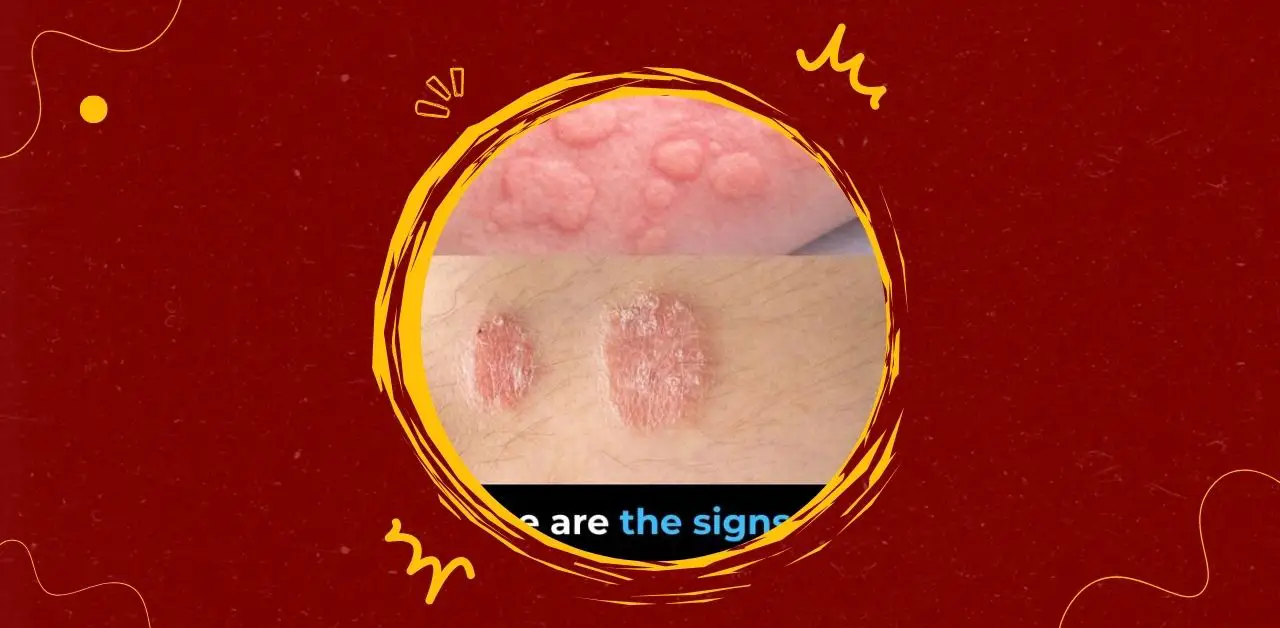
Skin is the body’s largest organ, and it often reflects our overall health. Red, scaly, or inflamed patches can be signs of various dermatological issues. Understanding these conditions helps in seeking timely medical care and avoiding complications.
1. Eczema (Atopic Dermatitis)
- Appearance: Red, itchy, inflamed patches; sometimes oozing or crusting.
- Common Areas: Elbows, knees, hands, face.
- Triggers: Allergens, stress, harsh soaps, weather changes.
- Management: Moisturizers, gentle cleansers, avoiding irritants, medical creams prescribed by a dermatologist.
2. Psoriasis
- Appearance: Thick, scaly plaques with silvery-white buildup.
- Common Areas: Scalp, elbows, knees, lower back.
- Cause: Autoimmune condition where skin cells multiply too quickly.
- Management: Prescription creams, phototherapy, systemic medications for severe cases.
3. Fungal Infections (Ringworm, Athlete’s Foot)
- Appearance: Circular, red patches with raised edges; often itchy.
- Common Areas: Feet, groin, scalp, body folds.
- Cause: Fungal organisms thrive in warm, moist environments.
- Management: Antifungal creams or oral medications; keeping skin dry and clean.
4. When to Seek Medical Help
- If patches spread rapidly.
- If over-the-counter remedies don’t improve symptoms.
- If pain, swelling, or pus develops (possible infection).
- If the condition affects daily life or sleep.
Conclusion
Skin conditions can look similar but have very different causes. While moisturizers and antifungal creams may help in mild cases, persistent or severe symptoms should always be evaluated by a dermatologist. Early diagnosis ensures proper treatment and prevents complications.