
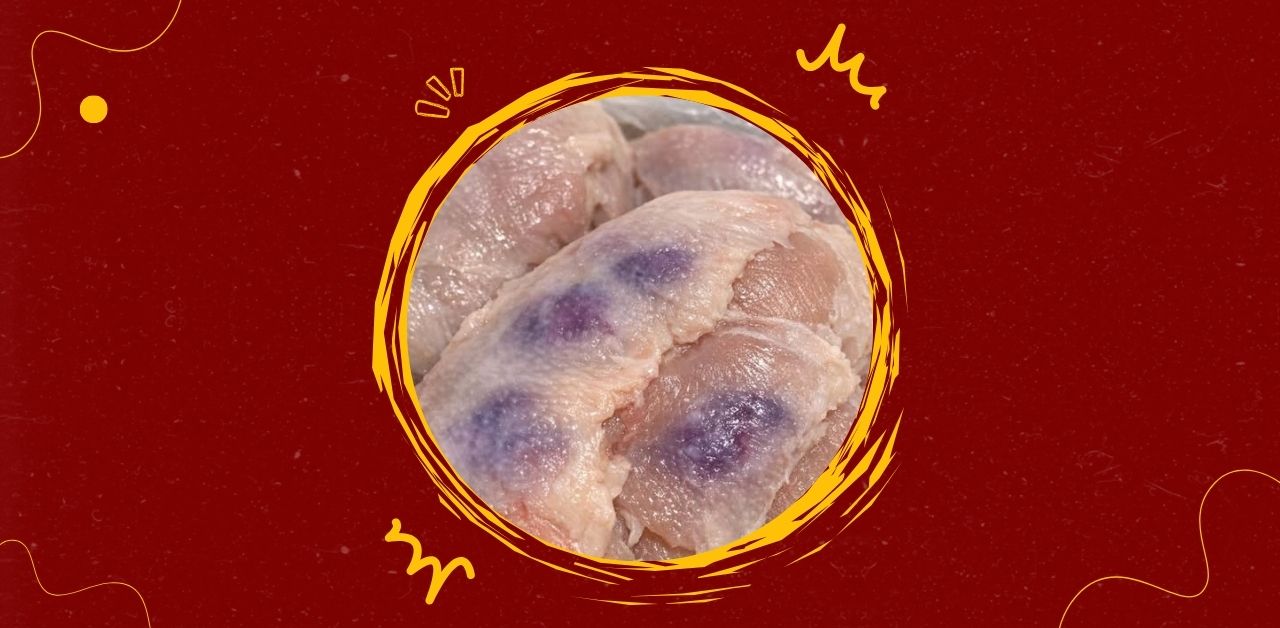
Chicken is one of the most widely consumed proteins worldwide, valued for its versatility and affordability. However, when thawing frozen chicken, many home cooks notice unusual discolorations—particularly purple or dark blotches under the skin. This raises an important food safety question: Is the chicken still safe to eat, or should it be discarded?
This article explores the causes of purple blotches, how to distinguish between harmless bruising and signs of spoilage, and practical guidelines for deciding whether to cook or throw out thawed chicken.
Why Do Purple Blotches Appear?
Purple blotches under the skin of chicken breasts are usually caused by blood vessel leakage or bruising. Chickens, like other animals, can develop bruises during handling, transport, or processing. When frozen, these blood spots may become more visible after thawing.
Key causes include:
- Bruising during processing: Rough handling or pressure can rupture small blood vessels.
- Freezing effects: Ice crystals can push blood pigments toward the surface, making blotches more noticeable.
- Natural variation: Some chickens simply have darker pigmentation in certain areas.
In most cases, these blotches are cosmetic and do not affect safety.
When Is It Safe to Cook?
Purple blotches alone do not automatically mean the chicken is unsafe. You can usually cook and eat the chicken if:
- The blotches are localized and look like bruises rather than widespread discoloration.
- The chicken has no foul odor (it should smell neutral or faintly meaty).
- The texture is firm and moist, not slimy or sticky.
- The chicken was thawed properly (in the refrigerator, not left at room temperature for hours).
If all these conditions are met, the blotches are harmless, and the chicken can be safely cooked.
When Should You Throw It Out?
Food safety must always come first. Discard the chicken if you notice:
- Strong, unpleasant odor (sour, ammonia-like, or rotten).
- Slimy or tacky texture when touched.
- Green, gray, or iridescent discoloration spreading across the meat.
- Improper thawing (e.g., left on the counter for more than 2 hours).
These are clear signs of spoilage or bacterial growth. Cooking spoiled chicken does not make it safe—it can still cause foodborne illness.
Safe Thawing Practices
To minimize risks, always thaw chicken safely:
- Refrigerator method: Place frozen chicken in the fridge for 24 hours. This keeps it at a safe temperature.
- Cold water method: Submerge sealed chicken in cold water, changing the water every 30 minutes. Cook immediately after thawing.
- Microwave method: Use the defrost setting, but cook immediately afterward to prevent bacterial growth.
Avoid thawing chicken at room temperature, as this allows bacteria to multiply rapidly.
Cooking Guidelines
If the chicken passes the safety checks, cook it thoroughly:
- Internal temperature should reach 165°F (74°C).
- Use a food thermometer to check the thickest part of the breast.
- Cooked chicken should be white and opaque, with clear juices.
Proper cooking ensures any bacteria present are destroyed.
Conclusion
Purple blotches in thawed chicken breasts are usually harmless bruises or pigmentation changes. If the chicken smells fresh, feels firm, and was thawed properly, it is safe to cook and eat. However, if there are signs of spoilage—such as foul odor, slimy texture, or widespread discoloration—it should be discarded immediately.
Rule of thumb: When in doubt, throw it out. Food safety is always more important than saving a meal.
Practical Takeaway
- Purple blotches = usually bruising, not spoilage.
- Check smell, texture, and color before cooking.
- Thaw safely in the fridge or cold water.
- Cook to 165°F (74°C) internal temperature.
- Discard if any signs of spoilage appear.