
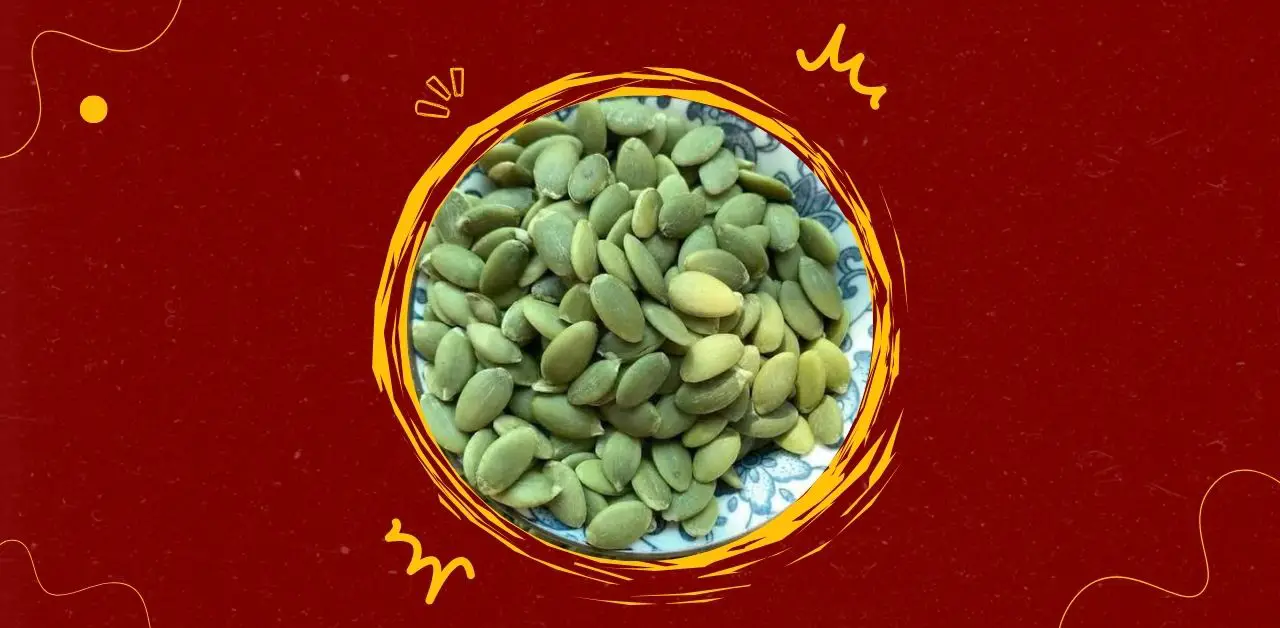
Pumpkin seeds, also known as pepitas, are small, flat, green seeds that pack a surprising punch of nutrition. Often overlooked in favor of more popular nuts and seeds, they are a versatile ingredient that can be enjoyed raw, roasted, or incorporated into both sweet and savory dishes. Beyond their culinary uses, pumpkin seeds are celebrated for their health benefits, making them a staple in wellness-focused diets around the world.
NUTRITIONAL PROFILE:
Pumpkin seeds are nutrient-dense, offering a wide range of vitamins, minerals, and healthy fats in a small serving.
- Protein: A handful of pumpkin seeds provides a plant-based protein boost, making them ideal for vegetarians and vegans.
- Healthy fats: Rich in unsaturated fats, they support heart health and provide long-lasting energy.
- Micronutrients: They are an excellent source of magnesium, zinc, iron, and manganese.
- Antioxidants: Pumpkin seeds contain compounds that help protect cells from oxidative stress.
HEALTH BENEFITS:
1. Heart Health
The magnesium and healthy fats in pumpkin seeds contribute to cardiovascular wellness. Magnesium helps regulate blood pressure, while unsaturated fats support healthy cholesterol levels.
2. Immune Support
Zinc plays a vital role in immune function, and pumpkin seeds are one of the best natural sources. Regular consumption may help strengthen the body’s defenses.
3. Sleep and Relaxation
Pumpkin seeds contain tryptophan, an amino acid linked to better sleep. Combined with magnesium, they may promote relaxation and improve sleep quality.
4. Bone Strength
Magnesium and manganese are essential for bone health, making pumpkin seeds a supportive addition to diets aimed at maintaining strong bones.
5. Energy and Metabolism
Iron in pumpkin seeds supports oxygen transport in the blood, helping maintain energy levels and metabolic function.
CULINARY USES:
Pumpkin seeds are incredibly versatile in the kitchen.
- Snacks: Enjoy them roasted with a sprinkle of salt or spices.
- Salads: Add crunch by tossing them into green or grain-based salads.
- Baking: Incorporate into bread, muffins, or granola bars.
- Smoothies: Blend into smoothies for added protein and texture.
- Sauces: Use in traditional recipes like Mexican mole for depth and richness.
HOW TO PREPARE:
- Roasting: Spread seeds on a baking sheet, drizzle with olive oil, and season with salt or spices. Roast at 350°F (175°C) for 10–15 minutes until golden.
- Raw: Eat them as-is for maximum nutrient retention.
- Sprinkled: Use as a garnish on soups, oatmeal, or yogurt bowls.
NOTES & TIPS:
- Store pumpkin seeds in an airtight container to keep them fresh.
- Refrigeration helps preserve their oils and prevents rancidity.
- Choose unsalted or lightly salted varieties for a healthier option.
- For variety, try flavored versions—such as chili, garlic, or honey-roasted.
CONCLUSION:
Pumpkin seeds may be small, but they are nutritional giants. Packed with protein, healthy fats, and essential minerals, they support heart health, immunity, sleep, and energy. Their versatility in cooking makes them easy to incorporate into daily meals, whether as a snack, garnish, or ingredient in more complex recipes.
Ultimately, pumpkin seeds embody the idea that good things come in small packages. By adding them to your diet, you embrace a simple, natural way to nourish your body and elevate your meals.