
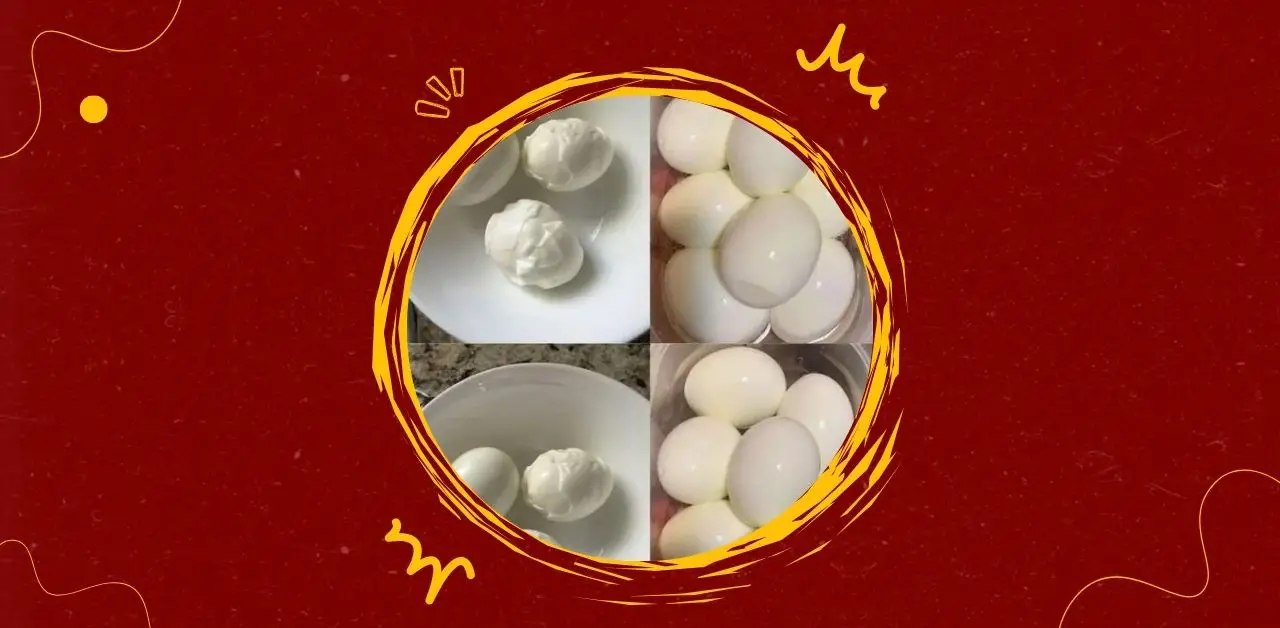
Hard-boiled eggs are a staple in kitchens worldwide, but anyone who has struggled with peeling knows how frustrating it can be when shells cling stubbornly to the egg white. This recipe focuses on achieving smooth, flawless hard-boiled eggs that peel effortlessly every time. By carefully controlling cooking time, water temperature, and cooling methods, you can transform a simple egg into a versatile ingredient for salads, snacks, or breakfast. The process is straightforward, but the attention to detail makes all the difference.
INGREDIENTS:
- 6 large eggs (fresh but not extremely new; slightly older eggs peel more easily)
- Water (enough to cover eggs by at least 1 inch in the pot)
- 1 teaspoon salt (optional, helps prevent cracking)
- 1 teaspoon baking soda (optional, raises pH to ease peeling)
- Ice cubes (for cooling bath)
INSTRUCTION:
- Prepare the Pot Place the eggs in a single layer at the bottom of a medium-sized saucepan. Add enough cold water to cover them by at least one inch. This ensures even cooking and prevents eggs from bumping into each other and cracking.
- Add Salt and Baking Soda (Optional) Stir in salt and baking soda. Salt helps minimize cracking, while baking soda alters the pH of the water, making the shells easier to peel later.
- Bring to a Boil Place the pot on medium-high heat and bring the water to a rolling boil. Once boiling, reduce the heat slightly to maintain a gentle boil.
- Cook the Eggs
- For soft-boiled: cook 6 minutes.
- For medium-boiled: cook 8–9 minutes.
- For hard-boiled: cook 10–12 minutes. In this recipe, we aim for fully hard-boiled eggs, so allow them to cook for 11 minutes.
- Prepare Ice Bath While the eggs cook, fill a large bowl with cold water and plenty of ice cubes. This ice bath is crucial for stopping the cooking process and preventing overcooked, rubbery yolks.
- Transfer Eggs Immediately Once the cooking time is complete, use a slotted spoon to transfer eggs directly into the ice bath. Let them sit for at least 10–15 minutes. Rapid cooling causes the egg whites to contract slightly, pulling away from the shell and making peeling easier.
- Peel the Eggs Gently tap each egg on a hard surface to crack the shell, then roll it lightly to loosen. Start peeling from the wider end, where there is usually an air pocket. The shell should slide off smoothly, leaving a clean, glossy egg white.
SERVINGS:
This recipe yields 6 perfectly peeled hard-boiled eggs, ideal for salads, sandwiches, or simply enjoyed with a sprinkle of salt and pepper.
NOTE:
The secret to easy peeling lies in three steps: adding baking soda, cooling rapidly in an ice bath, and peeling from the wider end. Fresh eggs can be more difficult to peel because their lower pH causes the whites to bond tightly to the shell. If possible, use eggs that are at least a week old. These small adjustments ensure that your eggs look as good as they taste.