
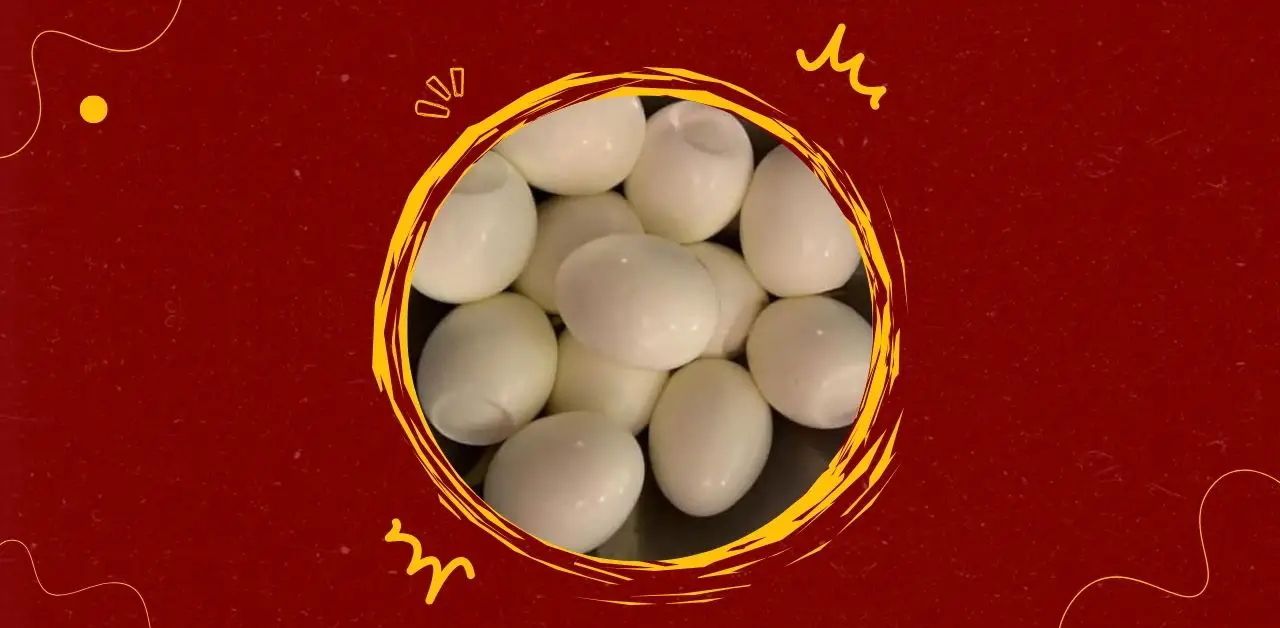
Hard-boiled eggs are one of the simplest yet most versatile foods in the culinary world. They are a staple in kitchens across the globe, valued for their convenience, nutrition, and adaptability. Whether eaten plain with a sprinkle of salt, sliced into salads, mashed into spreads, or used as a garnish, hard-boiled eggs provide a protein-packed addition to countless dishes.
The beauty of hard-boiled eggs lies in their balance of simplicity and utility. With just water, heat, and time, you can transform raw eggs into a firm, smooth, and satisfying food. The process may seem straightforward, but achieving the perfect texture—creamy yolks without a gray ring and tender whites without rubberiness—requires attention to detail.
This recipe focuses on creating consistently excellent hard-boiled eggs, with clear instructions and practical notes to ensure success every time. It also explores the broader context of hard-boiled eggs: their nutritional benefits, cultural significance, and countless uses.
Ingredients:
- 12 large eggs (or as many as desired)
- Water (enough to cover the eggs by at least 1 inch in the pot)
- 1 teaspoon salt (optional, helps prevent cracking)
- 1 teaspoon vinegar (optional, helps with peeling)
Instructions:
Step 1: Prepare the Pot
- Place the eggs in a single layer at the bottom of a saucepan or pot.
- Add enough cold water to cover the eggs by at least 1 inch.
- Add salt and vinegar if desired.
Step 2: Boil
- Place the pot on the stove over medium-high heat.
- Bring the water to a rolling boil.
Step 3: Cook
- Once boiling, reduce the heat slightly to maintain a gentle boil.
- Cook the eggs for 9–12 minutes, depending on desired doneness:
- 9 minutes: slightly softer yolks
- 12 minutes: fully firm yolks
Step 4: Cool
- Immediately transfer the eggs to a bowl of ice water.
- Let them sit for at least 10 minutes. This stops cooking and makes peeling easier.
Step 5: Peel and Serve
- Gently tap each egg on a hard surface to crack the shell.
- Peel under running water to help remove stubborn bits.
- Serve plain, or use in recipes.
Servings:
This recipe yields 12 servings if using a dozen eggs, though serving size depends on how the eggs are used.
Note:
- Peeling Tip: Older eggs peel more easily than very fresh ones.
- Storage: Hard-boiled eggs can be stored in the refrigerator for up to 7 days. Keep them in their shells until ready to use.
- Flavoring: Eggs can be seasoned after peeling with salt, pepper, paprika, or herbs.
- Uses: Ideal for salads, sandwiches, deviled eggs, or as a quick protein snack.
Extended Guide (1000+ Words):
Hard-boiled eggs may seem like a simple recipe, but they represent one of the most fundamental techniques in cooking. Mastering them is not only about achieving the right texture but also about understanding their role in nutrition, culture, and cuisine.
The Science of Boiling Eggs
Eggs are composed of two main parts: the white (albumen) and the yolk. The white is primarily protein and water, while the yolk contains fats, proteins, and vitamins. When heated, the proteins in the egg denature and coagulate, transforming the liquid interior into a solid. The key is controlling the heat and time to achieve the desired consistency.
Overcooking leads to a greenish-gray ring around the yolk, caused by a reaction between sulfur in the white and iron in the yolk. While harmless, it can affect appearance and texture. Cooling the eggs quickly in ice water prevents this reaction and ensures a tender result.
Nutritional Benefits
Hard-boiled eggs are a powerhouse of nutrition. Each egg contains about 6 grams of protein, essential amino acids, healthy fats, and a variety of vitamins and minerals, including vitamin D, B12, and choline. They are low in calories yet highly satiating, making them ideal for weight management and balanced diets.
The yolk, often misunderstood, is rich in nutrients. It contains antioxidants like lutein and zeaxanthin, which support eye health, and choline, which is vital for brain function. Eating the whole egg provides a complete nutritional package.
Cultural Significance
Eggs hold symbolic meaning in many cultures. They represent fertility, renewal, and life. Hard-boiled eggs are central to traditions such as Easter, where they are dyed and decorated, and Passover, where they symbolize mourning and sacrifice. In Asian cuisines, eggs are often marinated or spiced after boiling, creating dishes like soy sauce eggs or tea eggs.
Practical Uses in Cooking
Hard-boiled eggs are incredibly versatile. They can be eaten on their own, sliced into salads, mashed into spreads, or transformed into deviled eggs. They add protein to vegetarian dishes and serve as a convenient snack for busy lifestyles.
Some popular uses include:
- Salads: Chopped eggs add richness to green salads or potato salads.
- Sandwiches: Egg salad sandwiches are a classic comfort food.
- Breakfast: Sliced eggs pair well with toast or avocado.
- Garnishes: Eggs enhance soups, rice dishes, and curries.
Tips for Success
- Start with Cold Water: Placing eggs in cold water before heating ensures even cooking.
- Use Ice Bath: Cooling eggs immediately prevents overcooking and makes peeling easier.
- Timing Matters: Adjust cooking time based on preference for yolk texture.
- Peeling Technique: Crack the shell gently and peel under running water for ease.
Variations
While plain hard-boiled eggs are classic, variations can add flavor and interest:
- Marinated Eggs: Soak peeled eggs in soy sauce, tea, or spices for added flavor.
- Spiced Eggs: Sprinkle with paprika, chili powder, or curry powder.
- Stuffed Eggs: Transform into deviled eggs with mayonnaise, mustard, and herbs.
Storage and Safety
Hard-boiled eggs should be stored in the refrigerator. Keeping them in their shells preserves freshness. Peeled eggs should be consumed within 2–3 days. Avoid leaving eggs at room temperature for extended periods, as they can spoil quickly.
The Joy of Simplicity
Hard-boiled eggs embody the beauty of simple cooking. With minimal ingredients and effort, they deliver nourishment, flavor, and versatility. They remind us that great food does not always require complexity—sometimes, the simplest dishes are the most satisfying.