
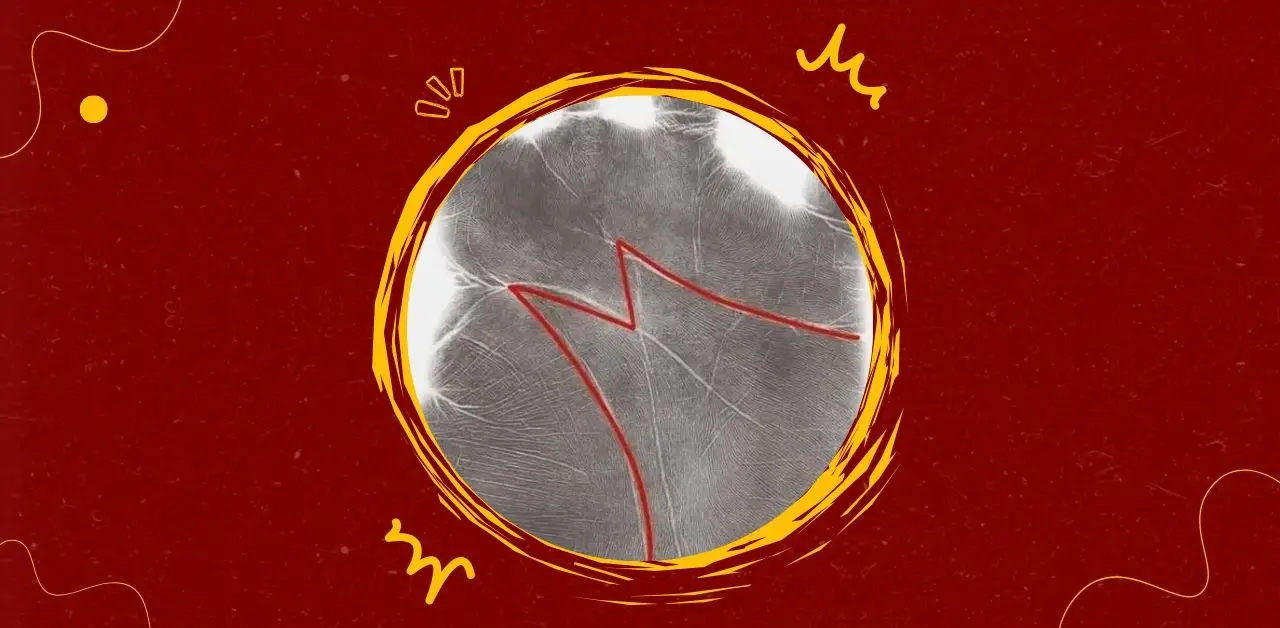
Palmistry, also known as chiromancy, is the ancient practice of interpreting the lines and shapes on the palm to reveal personality traits, life patterns, and symbolic meanings. Among the many features studied, one intriguing detail is the appearance of letter-like shapes formed by intersecting lines. When people notice a letter—such as “M,” “X,” or another distinct shape—on their palm, they often wonder what it signifies. While science views palm lines as natural skin folds, cultural traditions and palmistry enthusiasts interpret them as meaningful symbols.
The Basics of Palmistry
Palmistry divides the hand into several major lines and mounts:
- Heart Line: Reflects emotions and relationships.
- Head Line: Associated with intellect and decision-making.
- Life Line: Indicates vitality and general life path.
- Fate Line: Linked to career and destiny.
When these lines intersect or curve in unique ways, they can form shapes that resemble letters.
The Significance of Letter-Shaped Lines
1. The Letter “M”
One of the most commonly discussed shapes is the “M.” It is said to form when the heart line, head line, and life line intersect in a particular way.
- Interpretation: Traditionally, the “M” is seen as a sign of strong intuition, leadership qualities, and honesty. People with this marking are thought to be good at recognizing truth and may excel in careers requiring insight and integrity.
2. The Letter “X”
Another shape sometimes observed is the “X.”
- Interpretation: In some traditions, the “X” is linked to rare qualities such as charisma, influence, and the ability to leave a lasting impact. It is often described as a mark of individuals who are remembered for their actions.
3. Other Letters
Occasionally, people notice shapes resembling other letters. These are less standardized in palmistry but are often interpreted symbolically, depending on cultural context. For example, a “V” might be seen as victory or resilience, while an “L” could be linked to luck or learning.
Cultural Perspectives
- Eastern traditions: In some cultures, letter-shaped lines are considered auspicious, symbolizing blessings or destiny.
- Western palmistry: Focuses more on personality traits and life paths, interpreting letters as signs of unique character.
- Folklore: Many communities have stories about special palm markings being linked to fortune, spiritual gifts, or protection.
Scientific Viewpoint
From a biological perspective, palm lines are simply creases formed by the folding of skin as the hand develops and moves. The appearance of letters is coincidental, shaped by genetics and natural variations. While science does not attribute mystical meaning to these lines, the fascination with them reflects humanity’s desire to find patterns and meaning in everyday life.
Practical Reflection
Whether or not one believes in palmistry, noticing a letter in the palm can serve as a moment of self-reflection. It may inspire individuals to think about their strengths, values, or goals. For example:
- Seeing an “M” might encourage someone to trust their intuition.
- Spotting an “X” could remind them of their potential influence on others.
- Discovering any unique marking may simply spark curiosity and mindfulness.
Conclusion
The presence of a letter-shaped line in the palm is a fascinating phenomenon that blends natural biology with cultural symbolism. While science explains it as a coincidence of skin folds, palmistry traditions interpret it as a sign of personality traits, destiny, or spiritual gifts. Ultimately, the meaning lies in how individuals choose to reflect on it. Whether viewed as mystical or symbolic, these markings remind us of the human tendency to seek stories and significance in the patterns of life.