
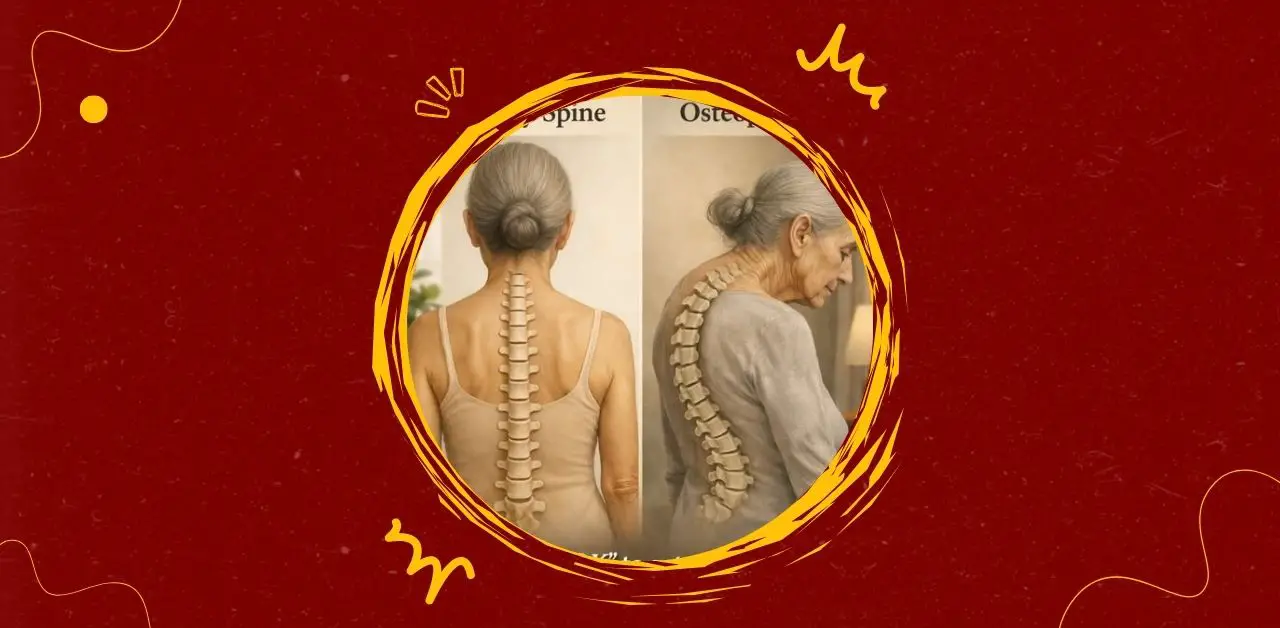
When you return home and notice that your mother is standing more hunched than before, frequently mentioning back pain, it is natural to feel concerned. While it may be tempting to attribute these changes to “just old age,” they could be signs of a condition called osteoporosis, which often becomes more pronounced during and after menopause. Osteoporosis is a condition where bones lose density and strength, making them more fragile and prone to fractures.
Menopause is a critical time for bone health because the body produces less estrogen, a hormone that helps maintain bone strength. Without adequate estrogen, bones can weaken more quickly, leading to changes in posture, discomfort, and an increased risk of fractures.
What Could Be Happening?
- Bone Density Loss: During menopause, declining estrogen levels accelerate bone loss. This can result in weaker bones that are more susceptible to fractures.
- Spinal Changes: Osteoporosis often affects the spine, leading to compression fractures. These fractures can cause a hunched posture, sometimes referred to as “dowager’s hump.”
- Persistent Pain: Back pain may arise from small fractures in the vertebrae or from the strain of weakened bones supporting the body.
- Reduced Mobility: As bones weaken, everyday activities may become more difficult, and posture changes can affect balance.
How Can You Ease Her Pain and Support Her?
1. Encourage Medical Evaluation The first step is to encourage your mother to see a healthcare professional. A bone density test (DEXA scan) can confirm whether osteoporosis is present. Professional guidance ensures that any treatment plan is safe and tailored to her needs.
2. Nutrition for Bone Health
- Calcium-rich foods: Dairy products, leafy greens, almonds, and fortified foods help maintain bone strength.
- Vitamin D: Supports calcium absorption. Sunlight exposure and foods like fatty fish or fortified cereals can help.
- Balanced diet: Adequate protein, fruits, and vegetables contribute to overall bone and muscle health.
3. Gentle Physical Activity
- Weight-bearing exercises: Walking, light jogging, or dancing help strengthen bones.
- Strength training: Using light weights or resistance bands can improve muscle support around bones.
- Balance exercises: Yoga or tai chi can reduce the risk of falls by improving stability.
4. Lifestyle Adjustments
- Quit smoking and limit alcohol: Both can accelerate bone loss.
- Fall prevention: Ensure the home is safe—remove loose rugs, improve lighting, and install handrails if needed.
- Supportive posture: Encourage sitting and standing with proper alignment to reduce strain on the spine.
5. Comfort Measures
- Warm compresses: Applying gentle heat can ease muscle tension around the spine.
- Supportive seating: Chairs with good back support can reduce discomfort.
- Rest and pacing: Encourage her to balance activity with rest to avoid overexertion.
Emotional Support
Living with osteoporosis can be frustrating, especially when pain or posture changes affect confidence. Offering emotional support is just as important as physical care. Listen to her concerns, encourage her efforts, and remind her that small steps can make a big difference.
Conclusion
Noticing your mother’s hunched posture and back pain may be an early sign of osteoporosis, particularly during menopause when bone loss accelerates. While it may seem like a natural part of aging, osteoporosis is a condition that can be managed with proper care. By encouraging medical evaluation, supporting her with nutrition and gentle exercise, and making lifestyle adjustments, you can help ease her discomfort and improve her quality of life.