
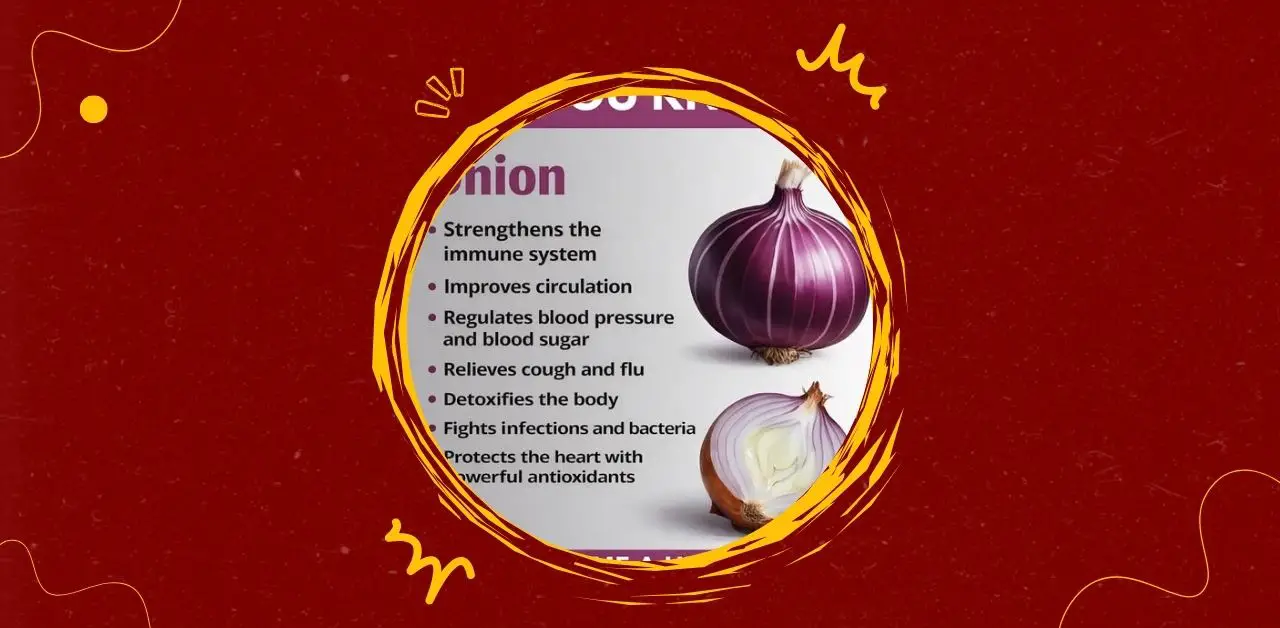
Onions are more than just a kitchen staple—they’re packed with compounds that support immunity, heart health, and overall wellness. While they don’t cure disease, their antioxidants, vitamins, and natural sulfur compounds make them a powerful addition to a balanced diet.
🌱 Nutritional Highlights
- Low in calories but rich in nutrients.
- Vitamin C: Supports immune function and collagen production.
- Quercetin (antioxidant): Helps fight inflammation and oxidative stress.
- Sulfur compounds: Aid circulation and detoxification.
- Fiber: Supports digestion and gut health.
✅ Health Benefits
- Strengthens the immune system: Vitamin C and antioxidants boost defense against infections.
- Improves circulation: Sulfur compounds help blood flow and reduce clotting risk.
- Regulates blood pressure & sugar: Quercetin may lower blood pressure and improve insulin sensitivity.
- Relieves cough & flu symptoms: Traditional remedies use onion extracts for respiratory relief.
- Detoxifies the body: Sulfur compounds support liver function.
- Fights infections & bacteria: Natural antibacterial properties help combat pathogens.
- Protects the heart: Antioxidants reduce cholesterol oxidation and support vascular health.
⚠️ Considerations
- Strong flavor: May cause digestive discomfort in sensitive individuals.
- Raw onions: Can trigger heartburn or acid reflux.
- Excess consumption: May lead to bloating or gas.
- Allergies: Rare, but possible in some people.
🍽️ Practical Uses
- Raw: Add to salads for crunch and antioxidants.
- Cooked: Caramelize for sweetness and depth in dishes.
- Medicinal: Onion tea or syrup is a traditional remedy for coughs.
- Pickled: Preserves nutrients and adds tangy flavor.
📌 Key Takeaway
Onions are a nutrient-rich vegetable with wide-ranging benefits—from immune support to heart protection. They’re most effective when eaten regularly in varied forms (raw, cooked, or pickled) as part of a balanced diet.