
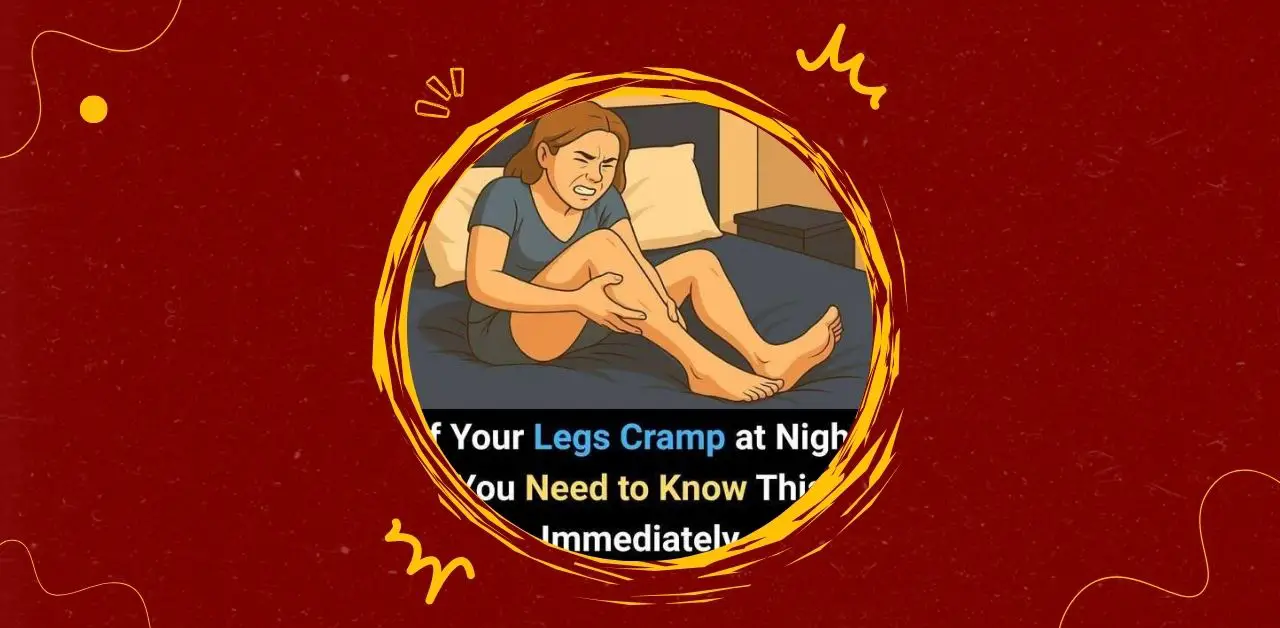
Waking up in the middle of the night with a sudden, sharp pain in your leg is an experience many people know all too well. Nighttime leg cramps are involuntary muscle contractions, often affecting the calves, feet, or thighs. They can last anywhere from a few seconds to several minutes, leaving lingering soreness afterward. While usually harmless, frequent cramps can disrupt sleep and signal underlying issues that deserve attention. Understanding the causes, prevention strategies, and relief methods can help you manage this common condition and enjoy more restful nights.
Common Causes of Nighttime Leg Cramps
1. Dehydration
Muscles need proper hydration to function smoothly. When the body lacks fluids, electrolyte imbalances can trigger cramps.
2. Electrolyte Imbalance
Low levels of minerals such as potassium, magnesium, and calcium may contribute to muscle spasms. These nutrients are essential for muscle contraction and relaxation.
3. Overuse or Strain
Excessive exercise, prolonged standing, or repetitive movements can fatigue muscles, making them more prone to cramping at night.
4. Poor Circulation
Restricted blood flow to the legs, often caused by sitting or lying in certain positions, can lead to cramps.
5. Medications and Health Conditions
Some medications, such as diuretics, may increase the risk of cramps. Conditions like diabetes, nerve disorders, or thyroid imbalances can also play a role.
Immediate Relief During a Cramp
- Stretching: Flex the foot upward toward the shin to stretch the calf muscle.
- Massage: Gently rub the affected area to encourage relaxation.
- Heat or Cold: Apply a warm compress to relax the muscle or a cold pack to reduce soreness afterward.
- Walking: Standing up and walking slowly can help release the contraction.
Preventive Strategies
1. Stay Hydrated
Drink enough water throughout the day. Hydration supports muscle function and reduces the risk of cramps.
2. Balance Electrolytes
Include foods rich in potassium (bananas, oranges), magnesium (nuts, seeds), and calcium (dairy, leafy greens) in your diet.
3. Stretch Before Bed
Gentle stretching of the calves and thighs before sleep can reduce nighttime spasms.
4. Maintain Good Sleep Posture
Avoid sleeping with toes pointed downward, as this position shortens calf muscles and increases cramp risk.
5. Exercise Moderately
Regular physical activity strengthens muscles, but avoid overexertion. Balance workouts with rest and recovery.
When to Seek Medical Guidance
Occasional cramps are common, but consult a healthcare professional if:
- Cramps occur frequently and disrupt sleep.
- Pain is severe or persistent.
- Cramps are accompanied by swelling, weakness, or numbness.
- You suspect medication or an underlying condition is contributing.
Conclusion
Nighttime leg cramps are a frustrating but manageable issue. They often result from dehydration, electrolyte imbalances, or muscle strain, and can usually be relieved with simple measures like stretching, hydration, and balanced nutrition. While most cramps are harmless, persistent or severe episodes may indicate an underlying condition that requires medical attention. By adopting preventive habits and listening to your body, you can reduce the frequency of cramps and enjoy more restful, pain-free nights.