
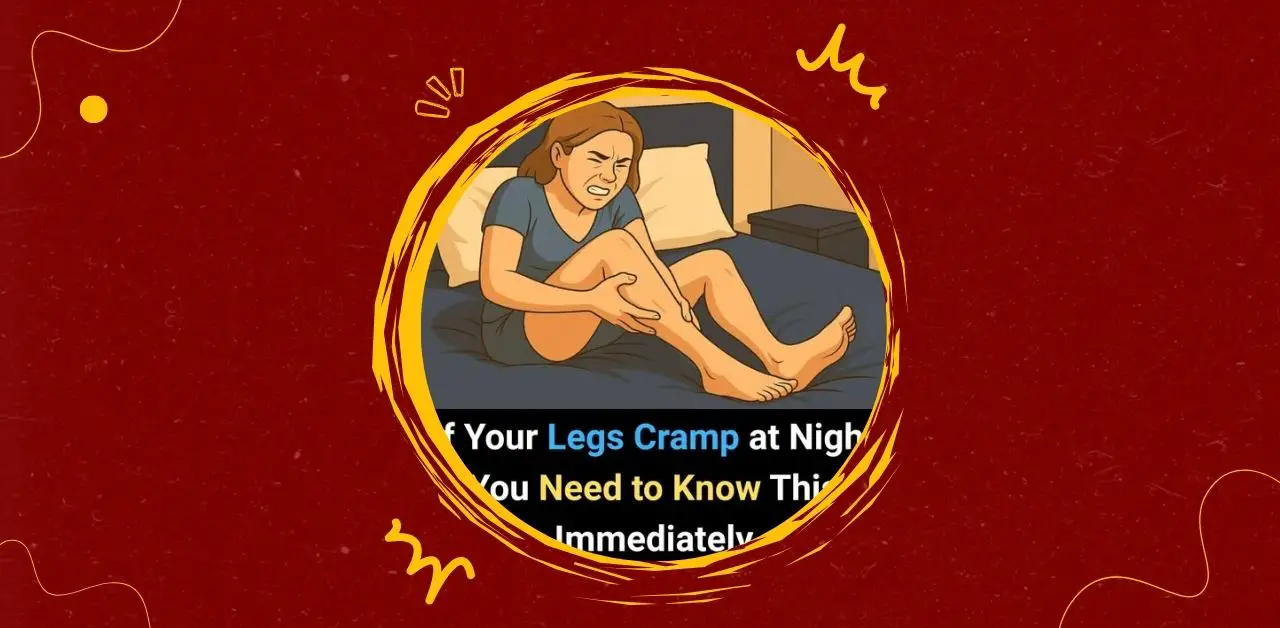
Waking up in the middle of the night with a sudden, painful leg cramp is an experience many people share. These cramps, often described as sharp muscle contractions in the calf or thigh, can disrupt sleep and leave lingering soreness. While occasional cramps are common, frequent nighttime leg cramps may signal underlying issues that deserve attention. Understanding the causes, risk factors, and ways to prevent them can help you manage this discomfort and improve sleep quality.
What Are Nighttime Leg Cramps?
Nighttime leg cramps are involuntary muscle contractions that occur during rest, most often in the calf muscles. They can last from a few seconds to several minutes, and the pain may persist even after the cramp subsides. Unlike restless legs syndrome, which causes an urge to move, cramps are sudden, painful tightening of the muscle.
Common Causes
- Dehydration Lack of fluids can lead to muscle irritability, making cramps more likely.
- Electrolyte Imbalance Low levels of potassium, calcium, or magnesium can trigger muscle contractions.
- Overuse or Strain Intense exercise, prolonged standing, or repetitive movements may cause muscles to tighten at night.
- Poor Circulation Reduced blood flow to the legs can contribute to cramping, especially in individuals with vascular conditions.
- Medications Certain medications, such as diuretics or statins, may increase the risk of cramps as a side effect.
- Underlying Health Conditions Diabetes, nerve disorders, or thyroid issues can sometimes manifest as frequent leg cramps.
Risk Factors
- Age: Older adults experience cramps more often due to muscle changes and reduced elasticity.
- Lifestyle: Sedentary habits or prolonged sitting can weaken muscles, increasing susceptibility.
- Pregnancy: Hormonal changes and added pressure on leg muscles can cause cramps.
Prevention and Relief
- Stay Hydrated Drink enough water throughout the day to keep muscles functioning properly.
- Stretching Gentle calf and thigh stretches before bed can reduce the likelihood of cramps.
- Balanced Nutrition Ensure adequate intake of potassium (bananas, oranges), magnesium (nuts, leafy greens), and calcium (dairy, fortified foods).
- Proper Footwear Supportive shoes reduce strain on leg muscles during the day.
- Massage and Heat If a cramp occurs, massaging the muscle or applying a warm compress can help relax it.
- Adjust Sleeping Position Avoid sleeping with toes pointed downward, as this can shorten calf muscles and trigger cramps.
When to Seek Medical Advice
Occasional cramps are usually harmless, but frequent or severe cramps may indicate an underlying condition. If cramps occur nightly, cause significant pain, or are accompanied by swelling, weakness, or numbness, consulting a healthcare professional is important.
Conclusion
Nighttime leg cramps are a common but disruptive issue, often linked to dehydration, electrolyte imbalance, or muscle strain. While they are usually harmless, persistent cramps can signal deeper health concerns. By staying hydrated, maintaining balanced nutrition, and practicing regular stretching, you can reduce their frequency and intensity. Recognizing when cramps are more than just a nuisance ensures timely care and better overall health.