
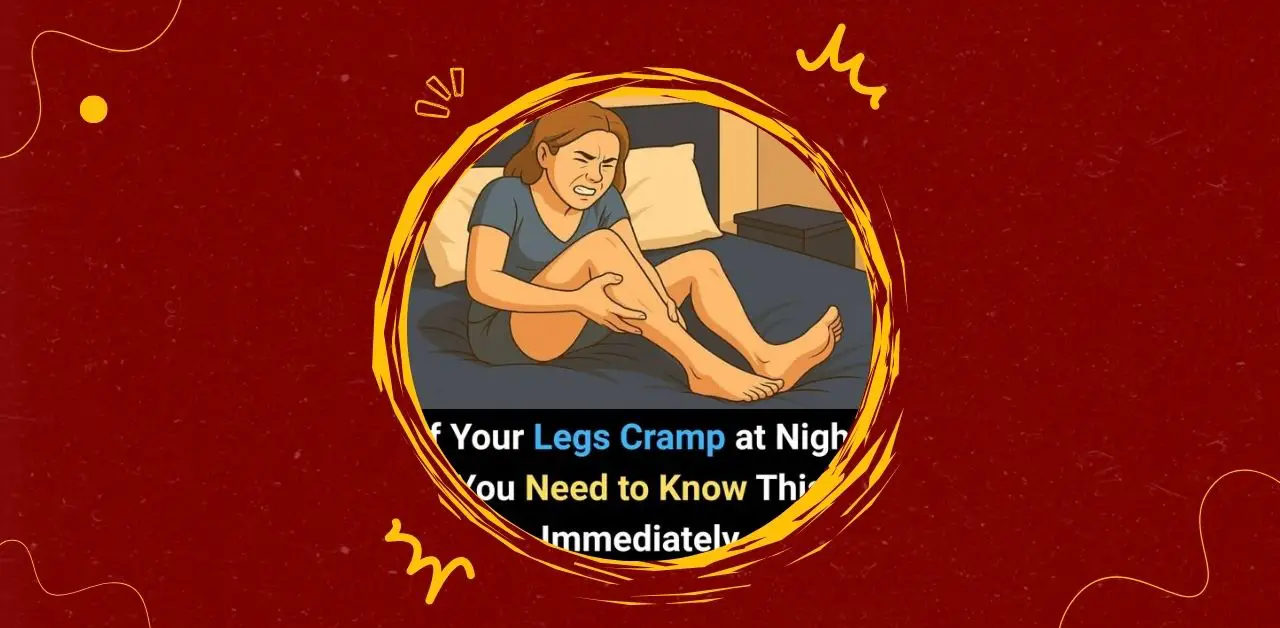
Nighttime leg cramps are sudden, involuntary muscle contractions that occur most often in the calves, though they can also affect the thighs or feet. These cramps typically strike during sleep, jolting a person awake with sharp pain and tightness. While they usually last only a few seconds to a few minutes, the lingering soreness can disrupt rest and cause discomfort well into the next day. Many people experience them occasionally, but for some, they are a recurring issue that interferes with quality of life.
What Causes Nighttime Leg Cramps
- Muscle fatigue: Overuse of muscles during the day, especially from standing or walking for long periods, can trigger cramps at night.
- Dehydration: Lack of fluids reduces the body’s ability to balance electrolytes, which are essential for muscle function.
- Electrolyte imbalance: Low levels of potassium, calcium, or magnesium can contribute to muscle spasms.
- Poor circulation: Restricted blood flow to the legs may increase the likelihood of cramps.
- Sleeping position: Lying with feet pointed downward can shorten calf muscles, making them more prone to cramping.
- Underlying conditions: Diabetes, nerve disorders, or certain medications may increase susceptibility.
Symptoms and Experience
- Sudden tightening or knotting of the muscle, often in the calf.
- Sharp, intense pain that can wake you from sleep.
- Visible hardening of the muscle during the cramp.
- Residual soreness or tenderness after the cramp subsides.
Prevention and Relief
- Stretching before bed: Gentle calf and hamstring stretches can reduce the risk of cramps.
- Hydration: Drinking enough water throughout the day helps maintain electrolyte balance.
- Balanced diet: Foods rich in potassium (bananas), magnesium (nuts, leafy greens), and calcium (dairy) support muscle health.
- Proper footwear: Supportive shoes reduce strain on leg muscles during the day.
- Adjust sleeping position: Keeping feet slightly elevated or avoiding pointed toes can help.
- Massage and heat: If a cramp occurs, massaging the muscle or applying a warm compress can ease the pain.
When to Seek Help
Occasional leg cramps are common and usually harmless. However, frequent or severe cramps may signal an underlying issue. If cramps occur nightly, are extremely painful, or are accompanied by swelling, weakness, or numbness, consulting a healthcare professional is recommended.
Conclusion
Nighttime leg cramps are a widespread but often misunderstood condition. They are usually linked to muscle fatigue, dehydration, or imbalances in essential minerals. While not typically dangerous, they can disrupt sleep and cause lingering discomfort. Preventive measures such as stretching, hydration, and dietary adjustments can make a significant difference. Understanding the triggers and adopting simple lifestyle changes can help reduce their frequency, allowing for more restful nights and healthier mornings.