
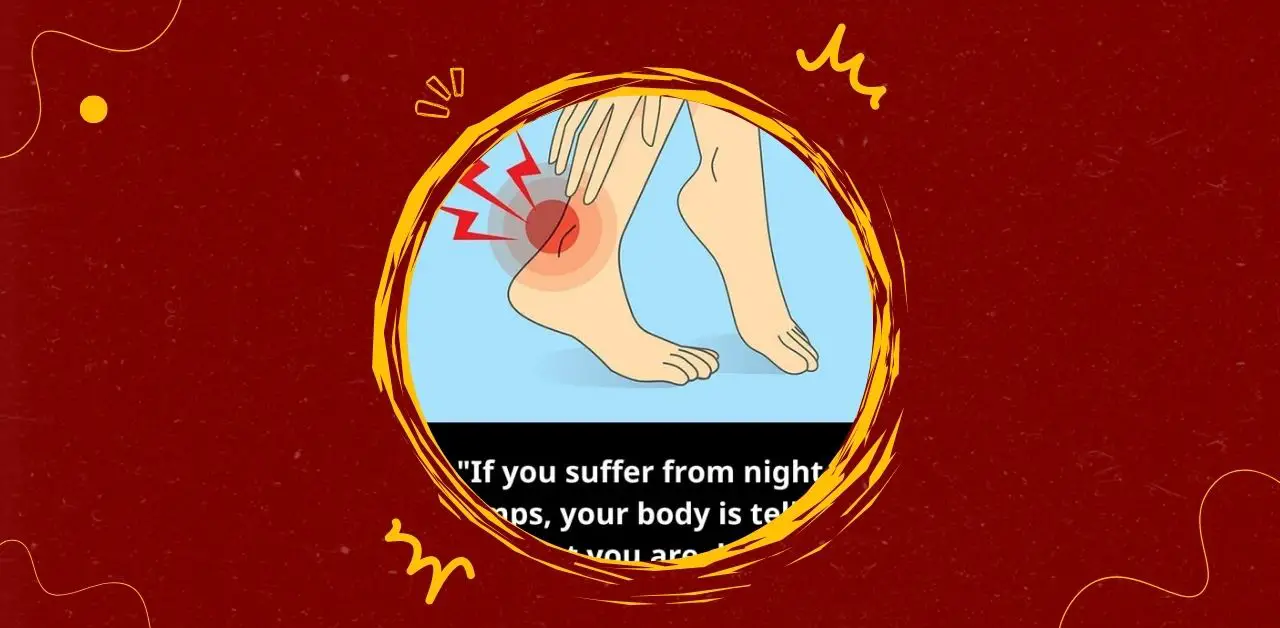
Night leg cramps are usually harmless but can be painful and disruptive; doctors explain they often stem from dehydration, mineral deficiencies (like magnesium, potassium, or calcium), poor circulation, or certain medications. Preventive steps such as stretching before bed, staying hydrated, and adjusting sleeping posture can significantly reduce their frequency.
🦵 What Are Night Leg Cramps?
- Definition: Sudden, involuntary muscle contractions, most often in the calf, foot, or thigh.
- Duration: Can last from a few seconds to several minutes, leaving soreness afterward.
- Prevalence: Up to 60% of adults experience them, especially at night. They are more common with age and during pregnancy.
⚠️ Common Causes
- Dehydration: Not drinking enough fluids disrupts electrolyte balance.
- Mineral deficiencies: Low magnesium, potassium, or calcium levels increase risk.
- Prolonged inactivity: Sitting or standing for long periods shortens muscles and tendons.
- Sleeping position: Feet pointed downward (plantar flexion) can trigger cramps.
- Overexertion: Intense exercise without proper warm-up or cool-down.
- Medications: Diuretics, statins, and some antidepressants list cramps as side effects.
- Underlying conditions: Diabetes, kidney disease, peripheral artery disease, or vein insufficiency.
🩺 When to Worry
Most cramps are benign, but recurring or severe cramps may signal circulation problems or nerve issues. Seek medical advice if cramps are accompanied by:
- Swelling, redness, or warmth in the leg
- Persistent pain beyond a few minutes
- Visible varicose veins or heaviness in the legs
- Other systemic symptoms (fatigue, weakness, numbness)
✅ Prevention Strategies
- Hydration: Drink water consistently throughout the day; avoid excess caffeine and alcohol.
- Stretching: Gentle calf and hamstring stretches before bed.
- Movement: Short walking breaks during long sitting or standing periods.
- Nutrition: Eat foods rich in magnesium (leafy greens, nuts), potassium (bananas, avocados), and calcium (dairy or fortified alternatives).
- Sleeping posture: Avoid sleeping with toes pointed downward; try lying on your back with a pillow under your knees.
🛠️ Quick Relief During a Cramp
- Stretch the affected muscle by flexing the foot upward.
- Massage or gently rub the area.
- Apply heat (warm compress or bath) or cold (ice pack wrapped in cloth).
- Walk or shake the leg to restore circulation.
Conclusion
Night leg cramps are common and usually harmless, but they can be linked to lifestyle factors, mineral deficiencies, or underlying health conditions. Simple changes — hydration, stretching, and posture adjustments — often provide relief. If cramps are frequent or severe, consulting a doctor is important to rule out circulation or nerve problems.