
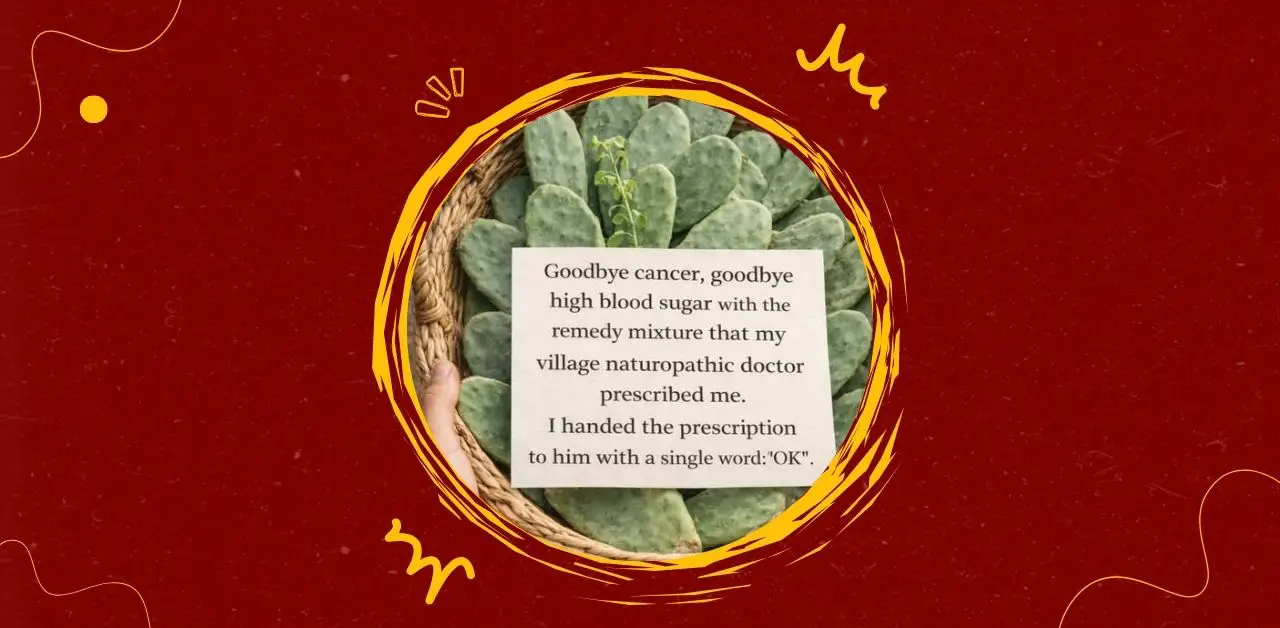
Across cultures, traditional remedies have long been used to support health and vitality. One plant that has captured attention for centuries is the prickly pear cactus (Opuntia). Its pads, often called nopales, are not only a staple in regional cuisines but also valued in folk medicine for their potential to support blood sugar balance, digestion, and overall wellness.
🌵 What Are Nopales?
Nopales are the tender, green pads of the prickly pear cactus. Once cleaned of spines, they can be cooked, juiced, or dried into powders. Their mild flavor and versatility make them easy to incorporate into meals, while their nutrient profile makes them a natural candidate for wellness traditions.
🩺 Nutritional Highlights
- Fiber: Supports digestion and helps regulate blood sugar.
- Antioxidants: Contains flavonoids and vitamin C, which may protect cells from oxidative stress.
- Minerals: Provides magnesium, calcium, and potassium for heart and muscle function.
- Low Calories: A filling, nutrient-rich food without excess energy load.
⚖️ Traditional Uses
In many villages and communities, cactus pads are prepared as part of remedies aimed at:
- Supporting healthy blood sugar levels.
- Promoting digestion and reducing bloating.
- Offering hydration and soothing properties in hot climates.
- Acting as a gentle detox ingredient in soups or teas.
It’s important to note that while these uses are rooted in tradition, scientific research is still ongoing to confirm the extent of their benefits.
🍴 Culinary Applications
- Grilled or sautéed: Adds a tangy, slightly citrus flavor to meals.
- Juiced: Combined with lime or pineapple for refreshing drinks.
- Soups and stews: Thickens broths and adds nutrition.
- Salads: Diced nopales pair well with tomatoes, onions, and herbs.
⚠️ A Balanced Perspective
While cactus pads are celebrated in traditional medicine, they should be seen as a complement to—not a replacement for—professional medical care. Anyone managing conditions like diabetes or cancer should consult healthcare providers before relying on natural remedies alone. Nopales can be a nourishing food, but medical guidance ensures safety and effectiveness.
🌟 Conclusion
The prickly pear cactus pad is more than a culinary curiosity—it’s a symbol of resilience and resourcefulness. Whether enjoyed as a dish or explored as part of traditional wellness practices, it connects modern life with ancestral wisdom. By embracing such foods thoughtfully, we can honor cultural traditions while supporting everyday health in a safe, balanced way.