
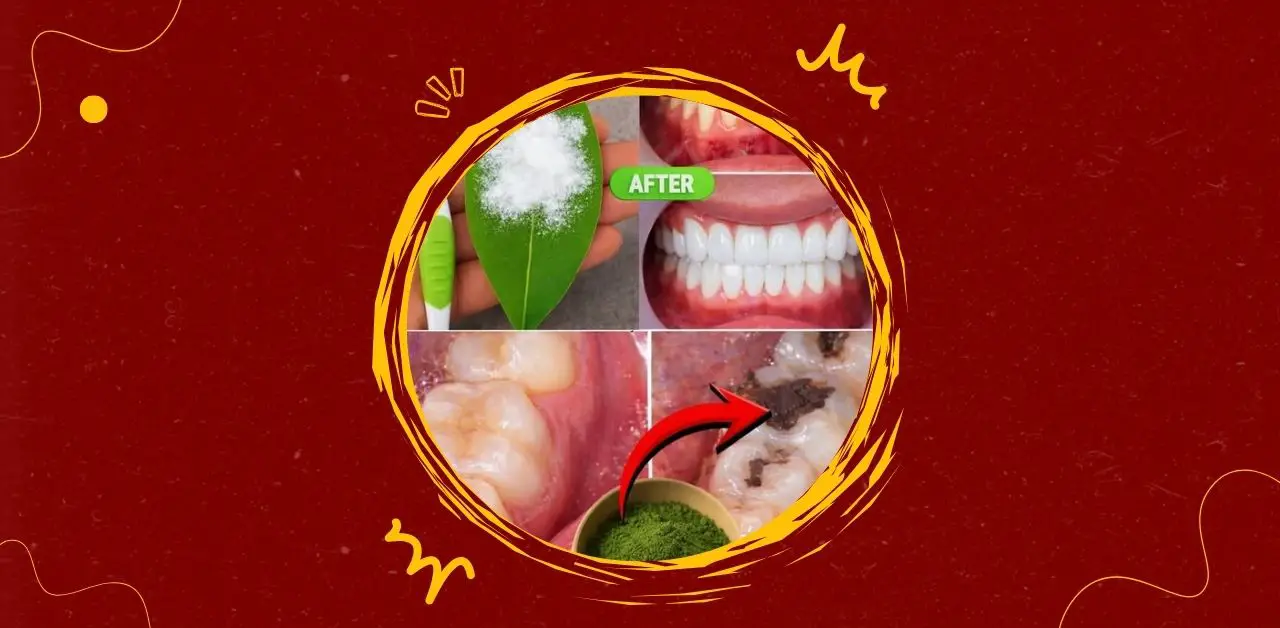
This herbal tooth powder is a natural blend designed to support oral hygiene using simple, plant-based and mineral ingredients. Unlike commercial toothpaste, which often contains synthetic additives, this powder relies on the cleansing properties of baking soda, the antibacterial qualities of herbs, and the refreshing aroma of essential oils. It helps remove surface stains, freshen breath, and maintain gum health. The recipe is easy to prepare at home, cost-effective, and adaptable to personal preferences. With consistent use, it can become a gentle yet effective addition to your daily dental care routine.
INGREDIENTS:
- 3 tablespoons baking soda (for cleansing and whitening)
- 2 tablespoons bentonite clay (for detoxifying and polishing)
- 1 tablespoon powdered neem leaves (for antibacterial support)
- 1 tablespoon powdered mint leaves (for freshness)
- 1 teaspoon powdered clove (for gum health and mild numbing effect)
- 1 teaspoon powdered cinnamon (for flavor and antibacterial properties)
- 5–6 drops peppermint essential oil (optional, for cooling freshness)
- 1 teaspoon fine sea salt (optional, for extra cleansing power)
INSTRUCTION:
- Prepare the base:
- In a clean, dry bowl, combine baking soda and bentonite clay. These form the foundation of the powder, offering cleansing and polishing effects.
- Add herbal powders:
- Mix in neem, mint, clove, and cinnamon powders. Stir thoroughly to ensure even distribution. These herbs add antibacterial, refreshing, and soothing qualities.
- Incorporate optional ingredients:
- Add sea salt for extra scrubbing power if desired.
- Drop in peppermint essential oil and mix well to infuse freshness.
- Store the powder:
- Transfer the mixture into an airtight glass jar. Keep it in a cool, dry place to preserve freshness.
- Use the powder:
- Dip a damp toothbrush into the powder and brush gently for 2–3 minutes.
- Rinse thoroughly with water.
- Use once or twice daily as part of your oral care routine.
SERVINGS:
This recipe yields approximately ½ cup of tooth powder, enough for 1–2 months of daily use depending on frequency.
NOTE:
- Always use a clean, dry spoon to scoop the powder to avoid moisture contamination.
- If you have sensitive gums, reduce the amount of clove or salt.
- Store away from direct sunlight to maintain potency of herbs and oils.
- This powder is meant for external use only—do not ingest.
- Consistency is key; natural remedies work best with regular use.
Herbal tooth powder is a traditional approach to oral care that has been used across cultures for centuries. The recipe combines mineral-based cleansers with herbal powders to create a balanced formula that supports dental health naturally. Each ingredient plays a specific role, ensuring the powder is effective yet gentle.
Baking soda is the primary cleansing agent. Its mild abrasiveness helps remove plaque and surface stains, while its alkalinity neutralizes acids in the mouth, reducing the risk of cavities. Bentonite clay adds detoxifying properties, binding to impurities and polishing teeth without damaging enamel. Together, these two ingredients form a strong yet safe base.
Herbs bring additional benefits. Neem powder is renowned for its antibacterial qualities, often used in traditional oral care to combat gum infections and bad breath. Mint powder provides a refreshing flavor and cooling sensation, making the powder pleasant to use. Clove powder contributes a mild numbing effect, soothing gums and reducing discomfort, while cinnamon powder adds warmth and antibacterial support. These herbs not only enhance flavor but also contribute to overall oral wellness.
Optional ingredients like sea salt increase scrubbing power, though they should be used sparingly for those with sensitive gums. Peppermint essential oil elevates freshness, leaving the mouth feeling clean and invigorated.
Preparation is straightforward. Mixing dry powders ensures even distribution, while storing in an airtight jar maintains potency. The powder should be kept dry to prevent clumping and microbial growth. Usage is simple: dipping a damp toothbrush into the powder and brushing gently allows the ingredients to work effectively. Unlike toothpaste, which foams due to detergents, tooth powder does not foam, but this does not reduce its effectiveness.
Consistency is vital. Natural remedies often require regular use to show results. Over time, the powder can help maintain whiter teeth, fresher breath, and healthier gums. It is not a substitute for professional dental care but can complement regular check-ups and cleanings.
One of the greatest advantages of herbal tooth powder is its adaptability. You can adjust the recipe to suit personal needs—reducing clove for sensitivity, adding more mint for freshness, or experimenting with other herbs like sage or turmeric. This flexibility makes it a sustainable and personalized approach to oral care.
In essence, herbal tooth powder is a reminder that simple, natural ingredients can be powerful allies in maintaining health. It connects modern routines with traditional wisdom, offering a safe, eco-friendly, and effective alternative to commercial products. By embracing such remedies, we not only care for our teeth but also honor practices that have supported wellness for generations.