
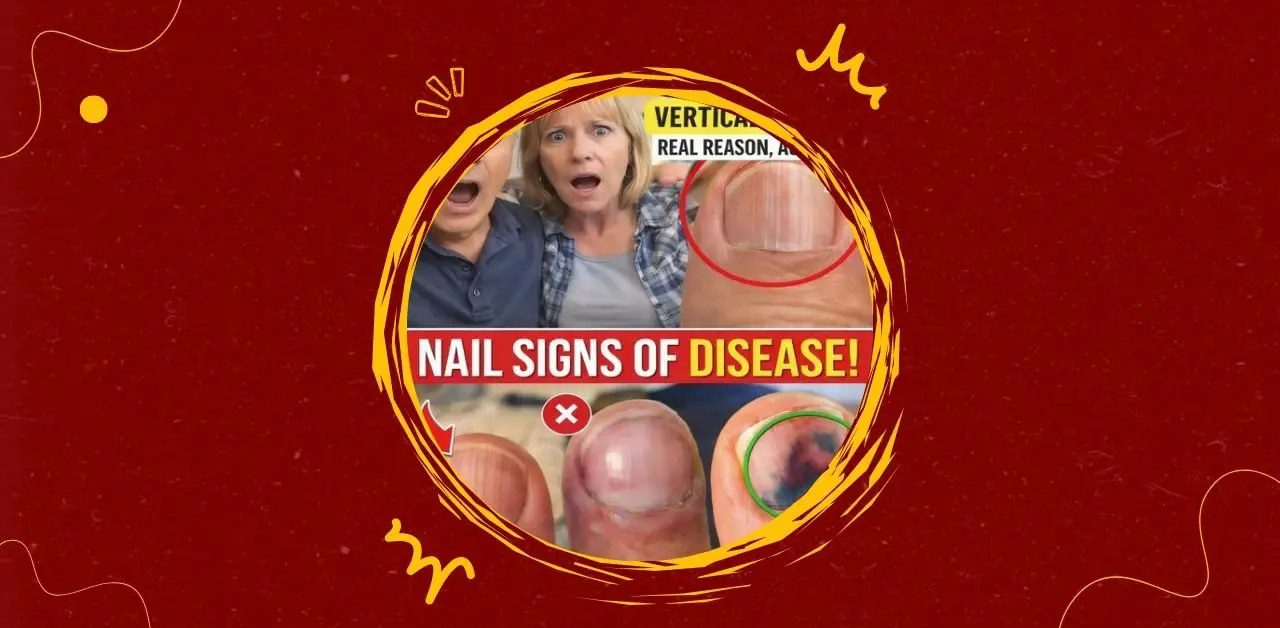
Our nails are more than just a cosmetic feature—they can act as subtle indicators of overall health. Changes in color, texture, or shape sometimes reflect underlying conditions that deserve attention. While not every nail variation signals disease, being aware of these signs can help you act early and seek professional guidance when necessary.
🌿 Vertical Ridges
- Common Cause: Vertical ridges are often a natural part of aging. As we grow older, cell turnover slows, and ridges may appear more prominently.
- Possible Concerns: In some cases, pronounced ridges may be linked to nutritional deficiencies, particularly low levels of iron, vitamin B12, or magnesium.
- What to Do: If ridges appear suddenly or worsen, consider discussing your diet and overall health with a doctor.
⚠️ Discoloration
- Yellow Nails: Can result from fungal infections, smoking, or frequent nail polish use. Persistent yellowing may also be associated with respiratory conditions.
- Blue or Purple Nails: May indicate poor circulation or low oxygen levels in the blood.
- White Spots or Streaks: Often harmless and caused by minor trauma, but repeated occurrences could point to zinc deficiency.
- Dark Streaks or Bruises: A dark line under the nail should never be ignored—it could be a sign of melanoma, a serious form of skin cancer.
🔍 Texture Changes
- Brittle Nails: Often linked to overexposure to water, harsh chemicals, or thyroid imbalances.
- Soft or Weak Nails: May suggest protein deficiency or overuse of nail products.
- Pitting (small dents): Sometimes associated with autoimmune conditions like psoriasis or alopecia areata.
🩺 Nail and Systemic Health
Nails can reflect internal health issues:
- Liver Disease: May cause white nails or changes in nail bed color.
- Kidney Problems: Can lead to half-and-half nails (part white, part brown).
- Heart Conditions: Clubbing (rounded, enlarged fingertips) may signal cardiovascular or lung disease.
✅ Practical Nail Care Tips
- Keep nails clean and dry to prevent infections.
- Moisturize cuticles and nail beds regularly.
- Limit exposure to harsh chemicals by wearing gloves during cleaning.
- Maintain a balanced diet rich in vitamins, minerals, and protein.
- Avoid biting nails or using them as tools, which can cause trauma.
📌 Final Note
While nail changes can sometimes be harmless, they may also serve as early warning signs of underlying health issues. Paying attention to your nails is a simple but effective way to monitor your well-being. If you notice sudden, persistent, or unusual changes, consult a healthcare professional for proper evaluation.