
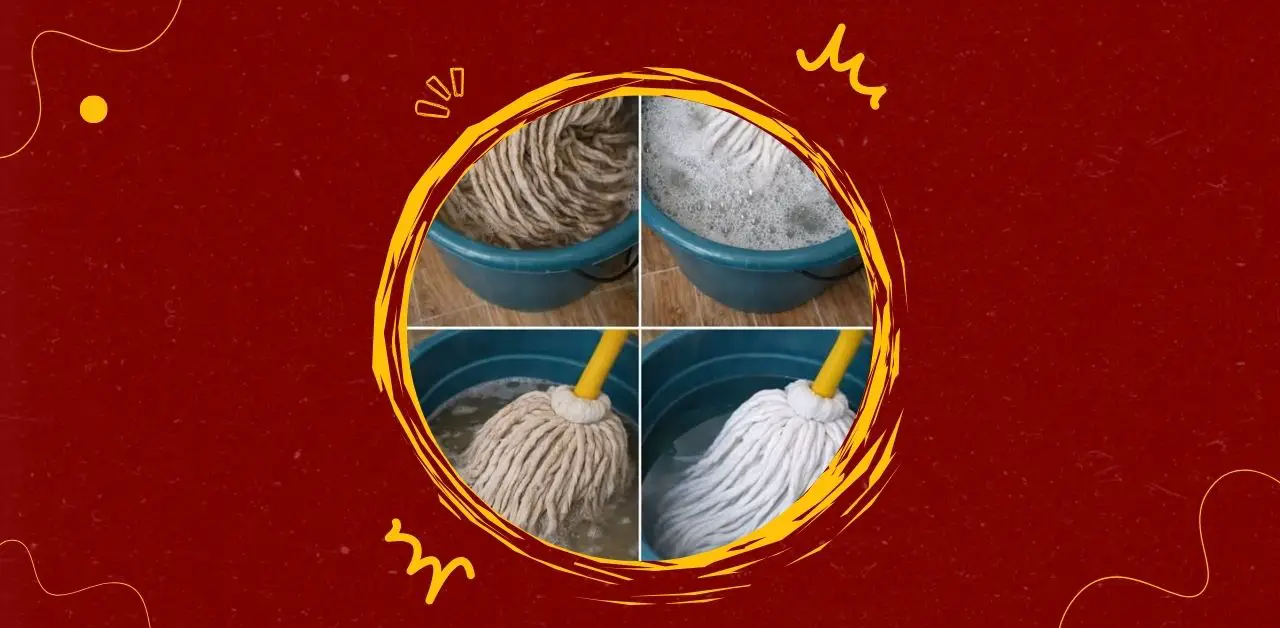
This recipe is a practical, wellness-inspired home care solution designed to restore a dirty mop to a fresh, usable state. Over time, mops accumulate grime, bacteria, and unpleasant odors, making them less effective at cleaning. Instead of discarding them, you can rejuvenate the fibers with a simple homemade solution that uses natural, accessible ingredients. This method not only saves money but also reduces waste, aligning with eco-friendly practices.
The solution combines the cleansing power of vinegar, the deodorizing effect of baking soda, and the refreshing qualities of lemon juice. Together, these ingredients break down dirt, neutralize odors, and leave the mop strands looking and smelling clean. Beyond its practical benefits, the act of preparing and using this solution becomes a mindful ritual of care—restoring tools that help maintain a clean and welcoming home.
INGREDIENTS:
- 2 tablespoons white vinegar
- 1 tablespoon baking soda
- 1 tablespoon fresh lemon juice
- 1 bucket of warm water (about 2 liters)
INSTRUCTION:
- Fill a clean bucket with warm water. The warmth helps loosen dirt and grime from mop fibers.
- Add two tablespoons of white vinegar to the water. Vinegar acts as a natural disinfectant, breaking down bacteria and residue.
- Stir in one tablespoon of baking soda. This ingredient neutralizes odors and helps lift stubborn dirt.
- Squeeze in one tablespoon of fresh lemon juice. Lemon adds a refreshing scent and contributes mild antibacterial properties.
- Mix the solution thoroughly until all ingredients are dissolved.
- Submerge the dirty mop into the bucket, ensuring the strands are fully soaked.
- Let the mop sit in the solution for 15–20 minutes, allowing the ingredients to penetrate and cleanse.
- After soaking, agitate the mop gently in the water to release dirt.
- Rinse the mop thoroughly with clean water to remove any residue.
- Wring out excess water and hang the mop in a well-ventilated area to dry completely before storing.
SERVINGS:
This recipe yields one full bucket of cleaning solution, enough to refresh a single mop thoroughly.
NOTE:
This mop renewal solution is intended as a practical home care method, not a commercial disinfectant. While vinegar, baking soda, and lemon juice provide natural cleansing and deodorizing qualities, they should not be considered substitutes for industrial sanitizers in professional settings.
The true value of this recipe lies in its simplicity and eco-friendly approach. Vinegar dissolves grime and kills bacteria, baking soda neutralizes odors and lifts dirt, and lemon juice adds freshness. Together, they create a solution that restores your mop to a near-new condition, extending its lifespan and saving you from unnecessary purchases.
By incorporating this recipe into your cleaning routine, you cultivate a sense of care and responsibility toward your home and environment. The act of mixing natural ingredients, soaking the mop, and watching it transform from dirty to clean becomes a ritual that encourages mindfulness and appreciation for everyday tools. Over time, this practice can foster resilience, sustainability, and a deeper connection to the spaces you care for.
This is not about quick fixes but about embracing a gentle, supportive routine. Think of it as a way to honor your home each time you prepare it, offering freshness, cleanliness, and renewal while setting a positive tone for your environment. The mop renewal cleaning solution is more than just a recipe—it is a mindful practice that encourages balance, care, and confidence, helping you maintain a home that feels welcoming and cared for.