
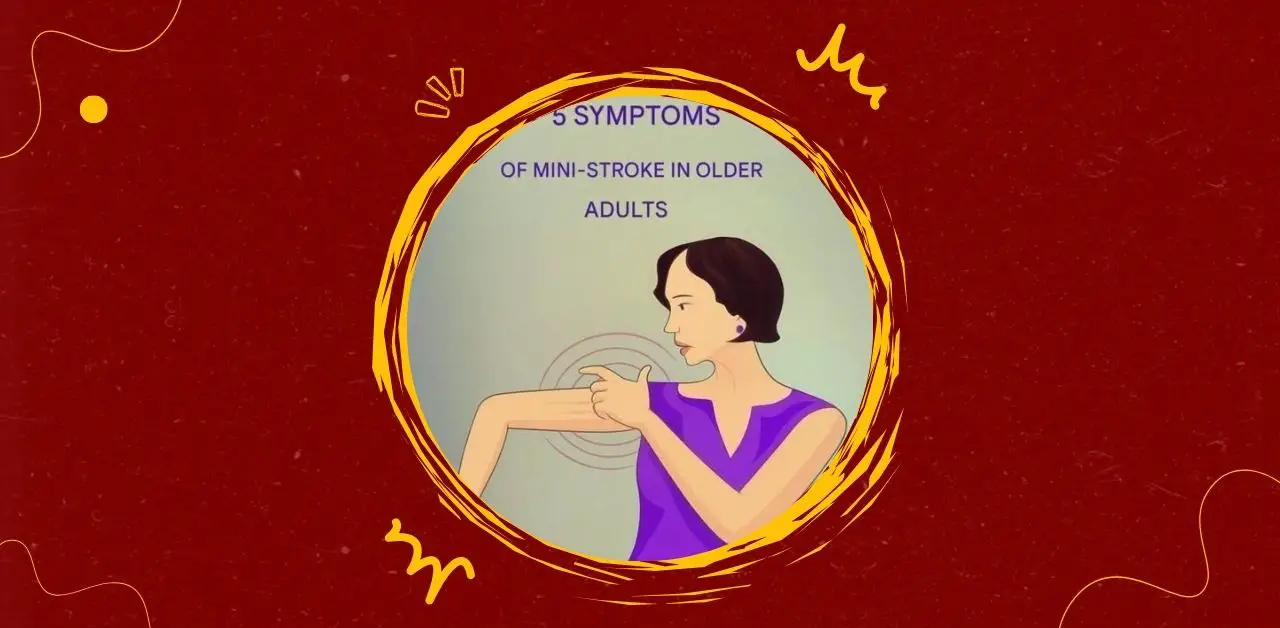
Mini-strokes, also called transient ischemic attacks (TIAs), are temporary interruptions of blood flow to the brain. They don’t cause permanent damage but are urgent warning signs of a future stroke. Older adults should know the symptoms because early recognition and immediate medical care can prevent a major stroke.
🧠 What Is a Mini-Stroke?
- A TIA occurs when a blood clot or blockage briefly reduces blood supply to the brain.
- Symptoms usually last minutes to hours and resolve within 24 hours.
- 1 in 3 people who experience a TIA will later suffer a full stroke, often within days or weeks.
⚠️ Common Symptoms in Older Adults
1. Sudden Weakness or Numbness
- Loss of strength or sensation on one side of the face, arm, or leg.
- Feels like a limb has “fallen asleep.”
2. Speech Problems
- Slurred, garbled, or incoherent speech.
- Difficulty finding words or understanding language.
3. Vision Changes
- Blurred vision, double vision, or temporary blindness in one or both eyes.
4. Balance and Coordination Issues
- Dizziness, stumbling, or difficulty walking.
- Often mistaken for aging or inner ear problems.
5. Confusion or Cognitive Difficulty
- Trouble following conversations, instructions, or remembering simple tasks.
6. Facial Drooping
- One side of the mouth or eye droops.
- Ask the person to smile—uneven movement is a red flag.
7. Sudden Severe Headache
- Intense headache without a clear cause.
8. Difficulty Swallowing
- Trouble swallowing liquids or food, coughing while eating.
9. Brief Loss of Consciousness
- Fainting or sudden blackout episodes.
🩺 Why It Matters
- TIAs are not harmless; they are warning strokes.
- Ignoring them increases risk of major stroke and vascular dementia.
🚨 What To Do
Use the FAST acronym:
- Face drooping
- Arm weakness
- Speech difficulty
- Time to call emergency services
Even if symptoms disappear, call 911 or local emergency services immediately.
🛡️ Prevention Tips for Seniors
- Control blood pressure and cholesterol
- Manage diabetes
- Quit smoking and limit alcohol
- Exercise regularly
- Eat a balanced, heart-healthy diet
- Take prescribed medications consistently