
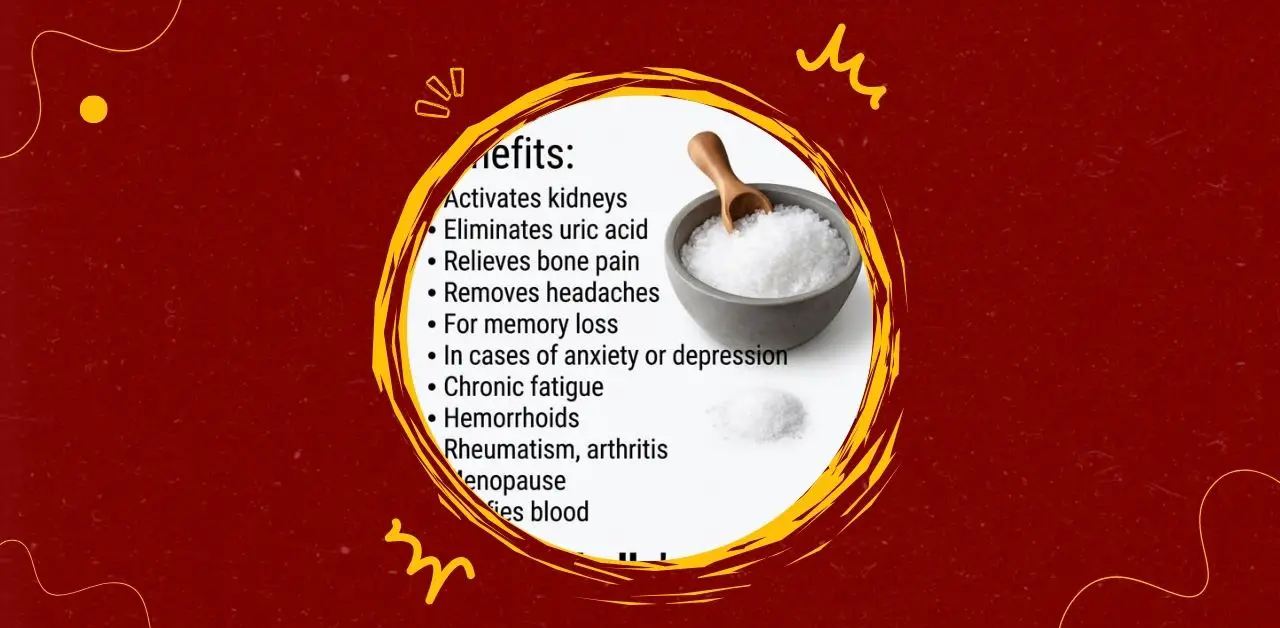
Chinese doctors often recommend magnesium because it plays a vital role in regulating nerve function, muscle activity, blood sugar, and bone health. In Traditional Chinese Medicine (TCM), magnesium-rich foods and supplements are used to restore balance, reduce stress, and support overall vitality.
1. Traditional Chinese Medicine (TCM) Perspective
- Balance of Qi (energy): Magnesium is believed to help regulate the nervous system, calming excessive “Yang” energy and supporting relaxation.
- Stress & sleep: TCM practitioners often link magnesium deficiency to insomnia, irritability, and anxiety.
- Digestive health: Magnesium is used to ease constipation and improve gut motility, aligning with TCM’s focus on harmonizing the digestive system.
2. Modern Medical Perspective
Chinese doctors also rely on Western medical evidence:
- Muscle & nerve function: Magnesium supports hundreds of enzymatic reactions, including those controlling muscle contractions and nerve signaling.
- Bone strength: It works with calcium and vitamin D to maintain bone density, important for aging populations.
- Blood sugar regulation: Magnesium improves insulin sensitivity, reducing risk of type 2 diabetes.
- Cardiovascular health: Adequate magnesium intake lowers blood pressure and supports heart rhythm.
⚕️ Common Conditions Where Magnesium Is Suggested
- Insomnia & anxiety: Recommended to calm the nervous system.
- Hypertension: Helps relax blood vessels.
- Diabetes & metabolic syndrome: Improves glucose control.
- Menopause: Reduces hot flashes and mood swings.
- Arthritis & muscle cramps: Relieves pain and stiffness.
🍲 Sources of Magnesium in Chinese Diet
Chinese doctors often encourage food-first approaches before supplements:
- Leafy greens: Spinach, bok choy.
- Seeds & nuts: Pumpkin seeds, sesame, peanuts.
- Soy products: Tofu, soy milk.
- Whole grains: Brown rice, millet.
- Seafood: Fish and seaweed.
⚠️ Risks & Precautions
- Excess magnesium from supplements can cause diarrhea, nausea, or irregular heartbeat.
- Kidney patients should avoid high doses, as their bodies cannot excrete magnesium efficiently.
- Doctors emphasize personalized dosage based on age, diet, and health condition.
📌 Key Takeaway
Chinese doctors recommend magnesium because it bridges traditional healing principles with modern science. It is seen as a mineral that restores balance, calms the mind, strengthens bones, and protects the heart. However, they stress dietary sources first and medical supervision for supplements.