
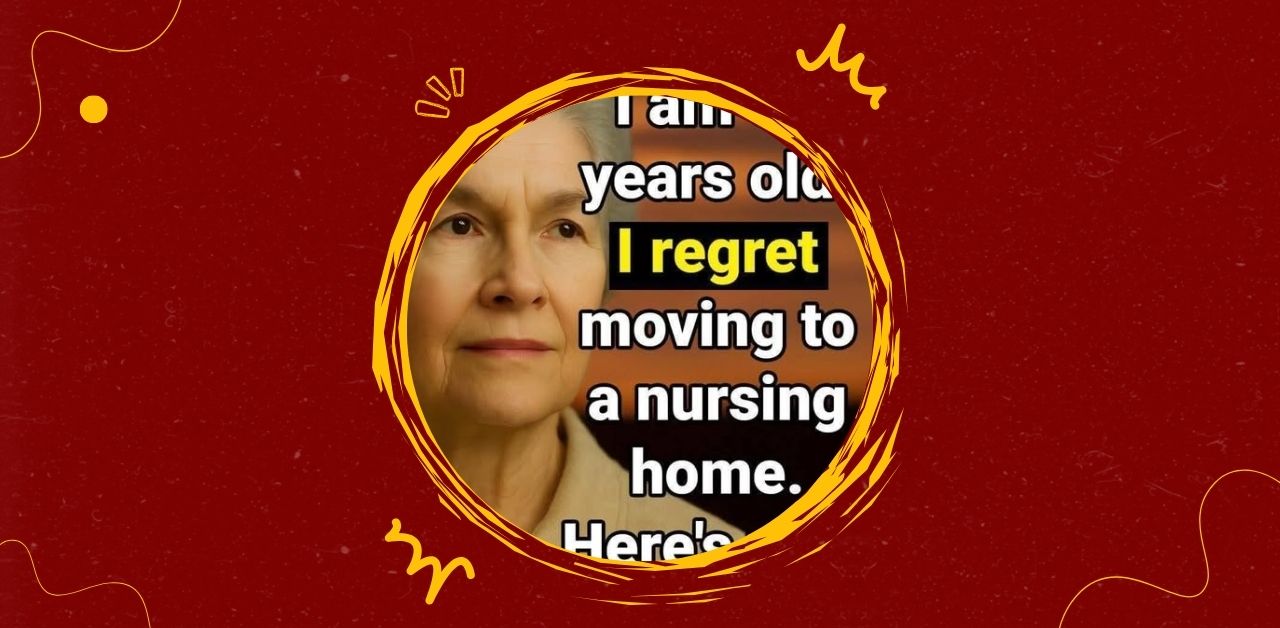
At 82 years old, many people look back on their choices with deep reflection. One decision that often carries mixed emotions is the move to a nursing home. While these facilities provide care and safety, some elders express regret, longing for the independence and familiarity of their own homes.
🏠 The Sense of Home
- Loss of familiarity: Leaving behind a house filled with memories can feel like losing part of one’s identity.
- Comfort in routine: Daily rituals, from morning tea to tending a garden, are often disrupted.
- Community ties: Neighbors, local shops, and familiar surroundings provide a sense of belonging that is hard to replicate.
👥 Social and Emotional Challenges
- Reduced autonomy: Decisions about meals, schedules, and activities are often made by staff, which can feel limiting.
- Loneliness: Even in a communal setting, some elders feel isolated if they don’t connect with fellow residents.
- Generational gap: The absence of younger family members can create emotional distance.
🌿 Positive Aspects of Nursing Homes
It’s important to acknowledge that nursing homes also provide:
- Medical support: Regular monitoring and access to healthcare professionals.
- Safety: Assistance with mobility, medication, and emergencies.
- Activities: Organized events and social opportunities that some residents enjoy.
💡 Lessons for Families and Communities
- Balance care with independence: Elders thrive when they retain control over aspects of their daily life.
- Stay connected: Frequent visits, calls, and shared activities help bridge emotional gaps.
- Explore alternatives: Assisted living, in-home care, or community-based support can sometimes offer a middle ground.
✅ Conclusion
The regret of moving to a nursing home often stems not from the care provided, but from the emotional weight of leaving behind independence, memories, and community. Families can learn from these reflections by creating care solutions that honor both safety and dignity.