
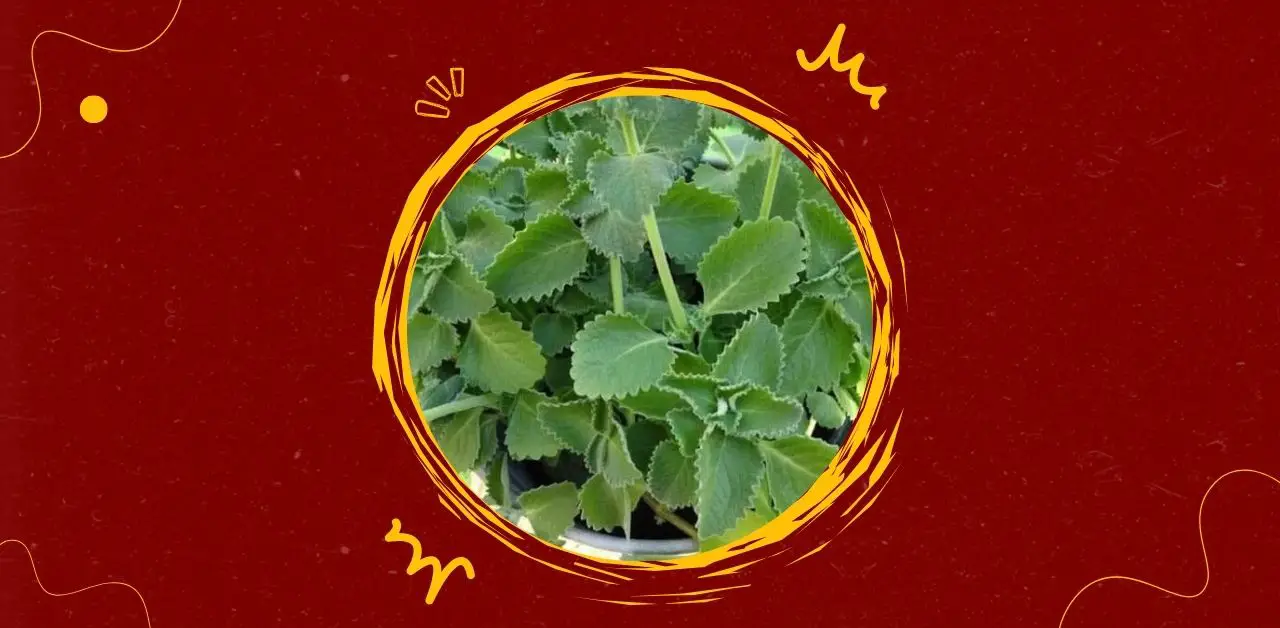
Indian Borage is a hardy, aromatic herb cherished in kitchens and traditional remedies across Asia, Africa, and the Caribbean. With its thick, fuzzy leaves and refreshing scent, it has earned a place both in cooking and in home gardens. Beyond its culinary appeal, communities have valued it for centuries as a natural aid for wellness.
🥗 Culinary Uses
- Flavor enhancer: Its bold, oregano-like taste makes it a popular substitute for oregano or thyme in soups, stews, and curries.
- Tea and infusions: Fresh leaves are steeped to create soothing herbal teas.
- Marinades: Crushed leaves add depth to meat and vegetable dishes.
- Cooling chutneys: In South Asian cooking, it is blended into chutneys for a refreshing kick.
🌱 Traditional Wellness Practices
While modern science continues to study its properties, Indian Borage has long been used in traditional practices:
- Respiratory comfort: Steamed leaves are inhaled to ease breathing.
- Digestive support: Herbal teas made from the leaves are enjoyed after meals.
- Skin care: Crushed leaves are sometimes applied in folk remedies for minor irritations.
(Note: These uses are traditional and cultural; they are not medical prescriptions. For health concerns, professional guidance is always best.)
🌼 Growing and Caring for Indian Borage
- Light: Thrives in bright, indirect sunlight.
- Soil: Prefers well-drained soil with moderate moisture.
- Propagation: Easily grown from cuttings, making it a favorite for home gardeners.
- Resilience: Withstands dry conditions, making it ideal for warm climates.
🌍 Cultural Significance
Indian Borage is more than a plant — it’s a symbol of resourcefulness. Families across generations have passed down recipes and remedies featuring its leaves, blending tradition with everyday living. Its versatility reflects the way communities adapt natural resources to nourish and care for themselves.
✅ Conclusion
Indian Borage stands out as a plant that bridges flavor, tradition, and wellness. Whether enjoyed in a hearty stew, brewed into a calming tea, or grown as a vibrant houseplant, it continues to enrich lives with its aroma and resilience.