
DESCRIPTION
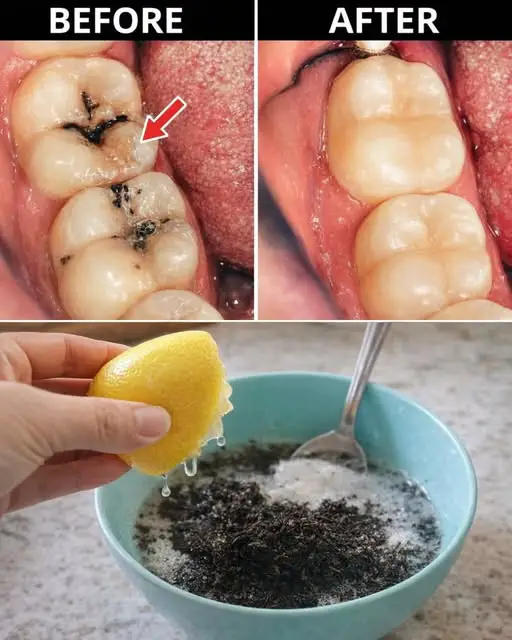
While many people look for ways to “naturally repair” a cavity, it’s important to understand the truth: once a cavity has formed (a hole in the tooth), it cannot be reversed at home. However, you can strengthen your teeth, slow early decay, and prevent future cavities with natural care. These tips will help you maintain strong, healthy teeth and avoid unnecessary dental visits. Also remember—using acidic or abrasive substances like lemon juice or harsh scrubs can damage enamel and make things worse.
INGREDIENTS (Natural Care Essentials)
- Fluoride or hydroxyapatite toothpaste
- Soft-bristled toothbrush
- Clean drinking water
- Calcium-rich foods (milk, yogurt, leafy greens)
- Vitamin D sources (sunlight, eggs, fish)
- Coconut oil (for oil pulling)
- Xylitol gum (optional)
- Salt (for gentle rinses)
INSTRUCTIONS
- Brush Properly Twice Daily
Use a soft toothbrush and fluoride toothpaste to clean all surfaces gently for at least 2 minutes. - Floss Every Day
Remove food particles and plaque between teeth where cavities often start. - Try Oil Pulling (Optional)
Swish 1 tablespoon of coconut oil in your mouth for 10–15 minutes, then spit it out. This may help reduce bacteria. - Rinse with Salt Water
Mix ½ teaspoon salt in warm water and rinse to support gum health and reduce bacteria. - Eat Tooth-Friendly Foods
Include calcium and vitamin D-rich foods to help strengthen enamel naturally. - Limit Sugar & Acidic Foods
Reduce soda, sweets, and citrus exposure that can weaken enamel over time. - Stay Hydrated
Drinking water helps wash away food particles and keeps saliva flowing.
TIPS
- ⚠️ Important: Cavities cannot be healed naturally once they form—see a dentist if you have pain or visible holes.
- Avoid using lemon juice, vinegar, or baking soda scrubs—they can erode enamel.
- Chew sugar-free gum with xylitol to help reduce harmful bacteria.
- Don’t ignore sensitivity—it can be an early sign of enamel damage.
- Regular dental checkups are still the safest way to catch problems early.
- Use a straw for acidic drinks to reduce contact with teeth.
- Replace your toothbrush every 3 months for best results.