
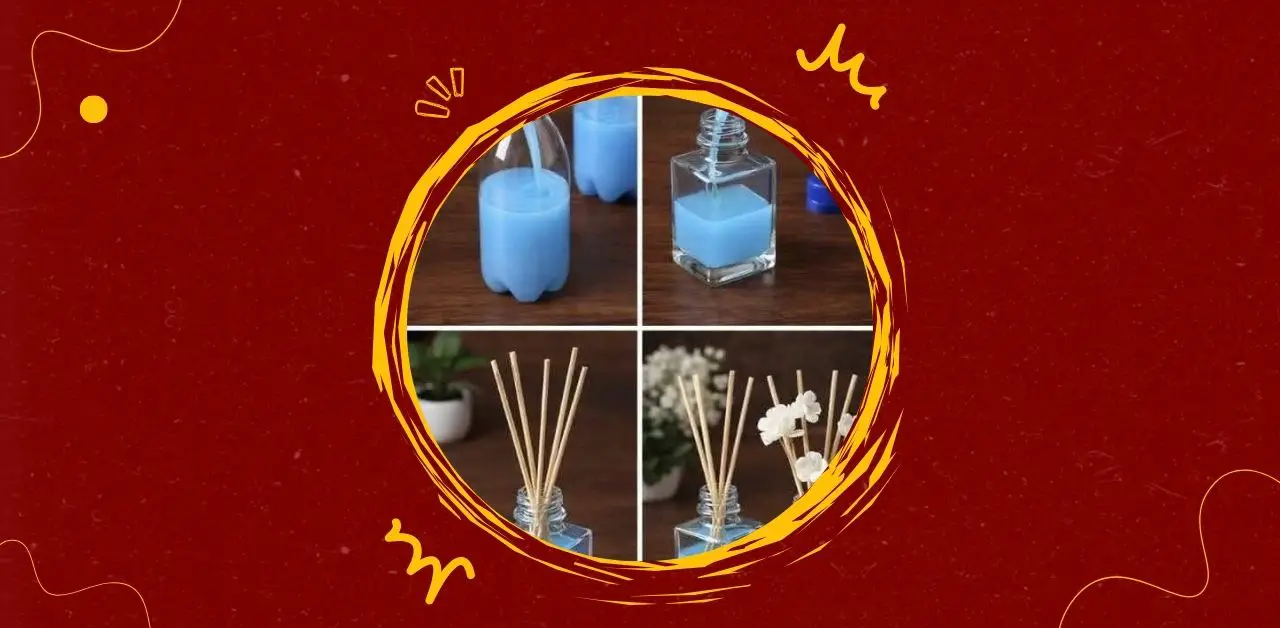
Reed diffusers are a stylish and natural way to scent your home without the need for flames or electricity. They use porous reeds to draw fragrance oil up from a container, releasing a steady aroma into the air. Making your own diffuser at home is simple, cost-effective, and customizable. With just a few ingredients and decorative touches, you can create a personalized diffuser that enhances your living space while reflecting your style.
Why Make Your Own Reed Diffuser?
- Cost-effective: Homemade diffusers are far cheaper than store-bought versions.
- Customizable scents: You can blend essential oils to create unique fragrances.
- Eco-friendly: Reuse glass containers and avoid synthetic chemicals.
- Decorative appeal: Diffusers double as home décor, adding elegance to any room.
Ingredients and Materials
- 1 clean glass container (narrow-necked works best)
- ½ cup carrier oil (almond oil, safflower oil, or fractionated coconut oil)
- 20–30 drops essential oils (lavender, citrus, eucalyptus, or your favorite blend)
- 2 tablespoons vodka or rubbing alcohol (helps thin the oil for better absorption)
- 6–8 reed sticks (bamboo skewers or rattan reeds)
- Optional: food coloring or decorative flowers for aesthetic appeal
Step-by-Step Instructions
- Prepare the container: Choose a clean, dry glass jar or bottle. A narrow neck slows evaporation and prolongs fragrance.
- Mix the base: In a measuring cup, combine carrier oil with vodka or rubbing alcohol. Stir until blended.
- Add fragrance: Drop in your chosen essential oils. Adjust the number of drops depending on how strong you want the scent.
- Pour into container: Transfer the mixture into your glass jar.
- Insert reeds: Place 6–8 reeds into the jar. After a few hours, flip them to help the fragrance begin dispersing.
- Maintain the diffuser: Flip reeds every few days to refresh the scent. Replace the oil mixture every 3–4 weeks.
Servings
This recipe makes one reed diffuser, suitable for a small to medium-sized room. Larger spaces may require multiple diffusers placed strategically.
Notes
- Use light carrier oils for best absorption; heavy oils like olive oil are less effective.
- Essential oil blends can be tailored to mood: lavender for relaxation, citrus for energy, eucalyptus for freshness.
- Reeds should be replaced every 1–2 months as they lose effectiveness over time.
- Keep diffusers away from direct sunlight or heat sources to prevent rapid evaporation.
- Decorative touches like colored liquid or flowers can make the diffuser a centerpiece.
Conclusion
A homemade reed diffuser is more than just a fragrance tool—it’s a creative project that combines wellness, sustainability, and design. By mixing natural oils and customizing scents, you can create a diffuser that suits your home’s atmosphere while avoiding synthetic sprays. With minimal effort, you’ll enjoy a steady, refreshing aroma that enhances your environment day after day.