
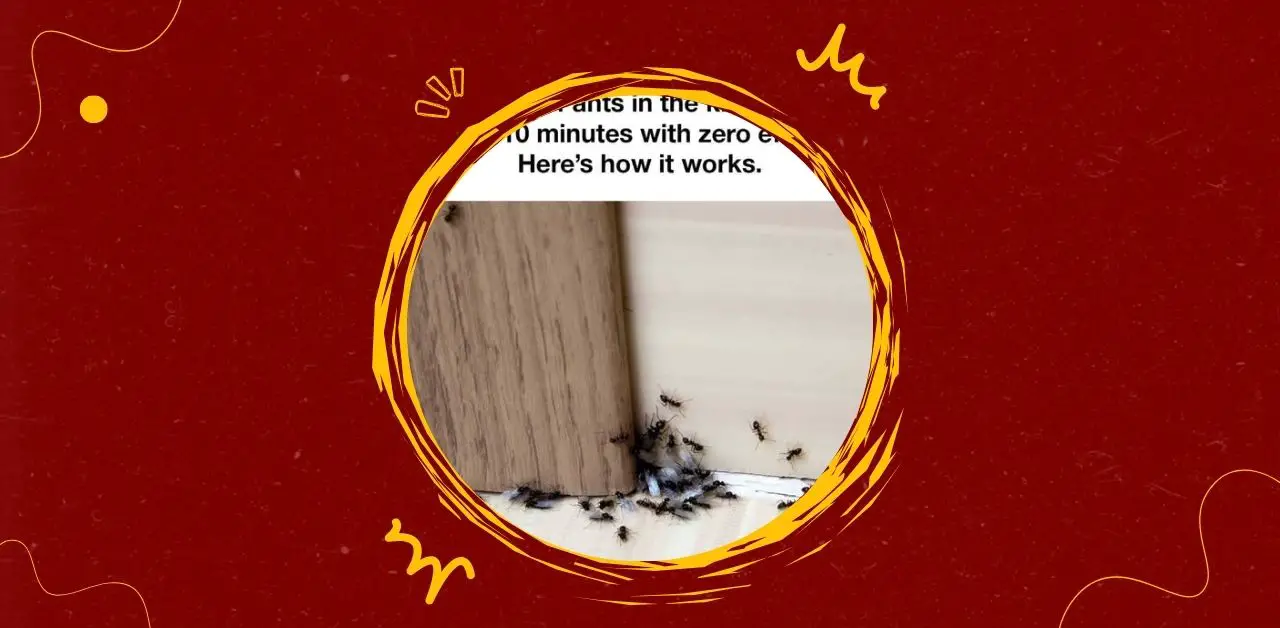
This recipe is not for food but for a natural, safe, and effective household solution designed to repel ants from your kitchen. Ants often invade kitchens in search of food, especially sweets and crumbs left behind. While chemical sprays may work, they can leave harmful residues on surfaces where you prepare meals. This homemade ant-repelling spray uses simple, natural ingredients that are safe around food areas, eco-friendly, and quick to prepare. The blend of vinegar, citrus, and essential oils creates a strong scent barrier that ants dislike, driving them away without harming them. The recipe is easy to follow, requires minimal effort, and can be made in less than 10 minutes.
INGREDIENTS:
- 1 cup white vinegar
- 1 cup water
- Juice of 1 fresh lemon (or 2 tablespoons bottled lemon juice)
- 10 drops peppermint essential oil
- 10 drops tea tree essential oil
- 1 tablespoon baking soda (optional, for extra cleaning power)
- A clean spray bottle
INSTRUCTION:
- Prepare the base solution: In a mixing bowl or large measuring cup, combine the white vinegar and water. Vinegar is the key ingredient here—it disrupts the scent trails ants leave behind, making it harder for them to navigate.
- Add citrus power: Squeeze the juice of one lemon directly into the mixture. Lemon juice not only adds a fresh scent but also contains natural compounds that repel ants. If you don’t have fresh lemons, bottled lemon juice works just as well.
- Incorporate essential oils: Add 10 drops of peppermint essential oil and 10 drops of tea tree essential oil. Peppermint oil is a natural deterrent for ants, while tea tree oil adds antibacterial properties, keeping your kitchen surfaces clean and fresh.
- Optional cleaning boost: Stir in one tablespoon of baking soda if you want the spray to double as a cleaning solution. Baking soda helps scrub away sticky residues and neutralizes odors.
- Mix thoroughly: Stir the mixture until all ingredients are well combined. If you added baking soda, expect a little fizz when it reacts with the vinegar—this is normal.
- Transfer to spray bottle: Carefully pour the solution into a clean spray bottle using a funnel if needed. Secure the cap tightly.
- Application: Spray the solution generously along ant entry points, such as cracks, corners, and edges of countertops. You can also spray directly on visible ant trails. Wipe down surfaces with a clean cloth after spraying to remove any food residue that might attract ants.
- Repeat as needed: Reapply daily or whenever you notice ants returning. Over time, the scent barrier will discourage them from entering your kitchen.
SERVINGS:
This recipe makes approximately 2 cups of ant-repelling spray, enough to fill one standard spray bottle. It should last for several applications depending on how frequently you use it.
NOTE:
- Always shake the spray bottle before each use to ensure the oils are evenly distributed.
- Avoid spraying directly on food or utensils; instead, focus on surfaces, corners, and entry points.
- Essential oils are potent—test a small area first to ensure they don’t damage delicate surfaces.
- This spray is safe for kitchens and households with children or pets, but keep the bottle out of reach to prevent accidental ingestion.
- Consistency is key: ants are persistent, so regular application will help maintain a barrier that keeps them away.
- Beyond repelling ants, this spray doubles as a natural cleaner, leaving your kitchen smelling fresh and sanitized.