
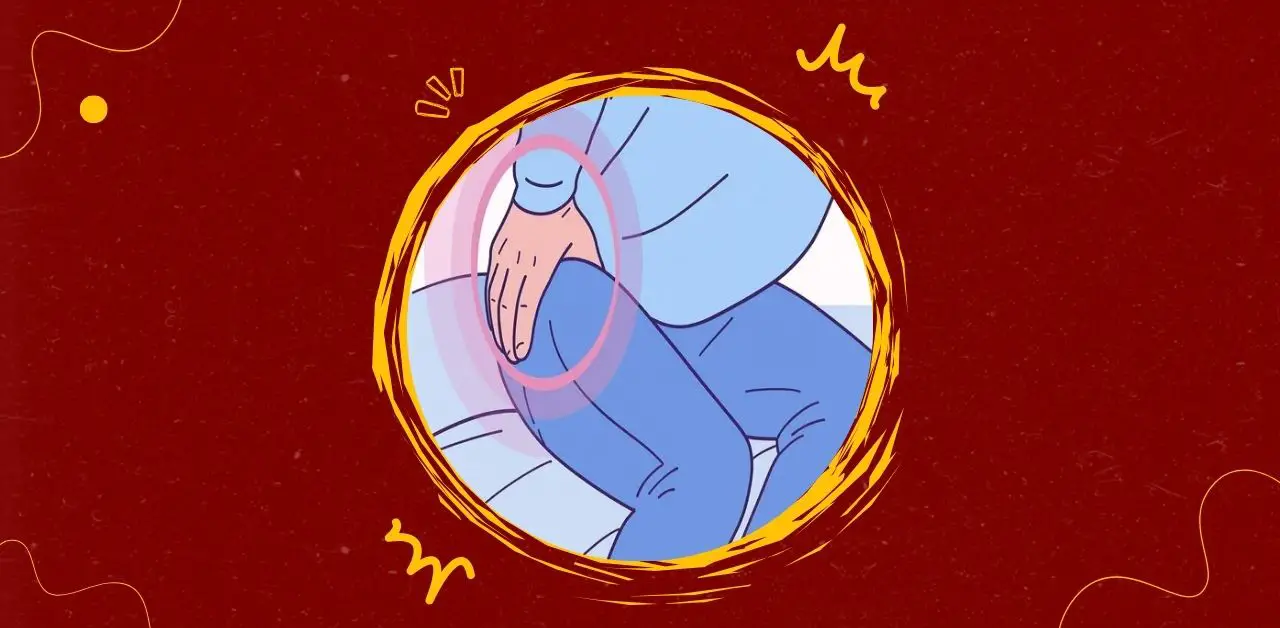
Hip pain is not a single clear sign of one condition—it can result from arthritis, bursitis, injuries, or structural issues in the hip joint. Persistent or severe hip pain should be evaluated by a healthcare provider to determine the exact cause and appropriate treatment.
What Hip Pain Means
Hip pain refers to discomfort in or around the hip joint, which connects the thigh bone (femur) to the pelvis. Because this joint is large and constantly in use, pain can arise from multiple sources: muscles, tendons, ligaments, cartilage, or bone. The location and type of pain often provide clues about the underlying issue.
Common Causes
- Arthritis: Osteoarthritis, rheumatoid arthritis, and ankylosing spondylitis can cause stiffness, swelling, and chronic pain.
- Bursitis: Inflammation of fluid-filled sacs (bursae) around the hip, often leading to pain on the outer side of the hip.
- Injuries: Strains, labral tears, fractures, or dislocations from sports, falls, or repetitive stress.
- Structural Conditions: Hip impingement or developmental dysplasia can cause pain due to abnormal joint shape.
- Other Sources: Sometimes hip pain is referred from the lower back, pelvis, or even abdominal conditions.
Symptoms to Watch
- Pain in the groin, thigh, or buttocks.
- Stiffness or reduced range of motion.
- Clicking, catching, or locking sensations in the hip.
- Pain that worsens with activity or at night.
- Swelling or tenderness around the joint.
Treatment Options
- Self-care: Rest, ice packs, compression, and elevation (RICE method).
- Medications: Over-the-counter pain relievers such as ibuprofen or acetaminophen.
- Physical Therapy: Exercises to strengthen muscles and improve stability.
- Medical Procedures: Cortisone injections, arthroscopy, or hip replacement in severe cases.
- Lifestyle Adjustments: Weight management, stretching, and low-impact exercise to reduce strain.
When to Seek Medical Help
- If pain lasts more than a few days without improvement.
- If pain interferes with daily activities or sleep.
- After trauma such as a fall or accident.
- If you cannot move your hip or suspect a fracture.
Prevention Tips
- Warm up and stretch before physical activity.
- Avoid “playing through pain” during sports.
- Keep living spaces free of tripping hazards.
- Use supportive equipment if mobility is limited.
- Maintain a healthy weight and strengthen core muscles.
Conclusion
Hip pain is a signal that something is affecting the joint or surrounding structures, but it is not a diagnosis on its own. Causes range from arthritis and bursitis to injuries and structural abnormalities. While mild pain may improve with rest and self-care, persistent or severe discomfort requires professional evaluation to prevent long-term damage and restore mobility.