
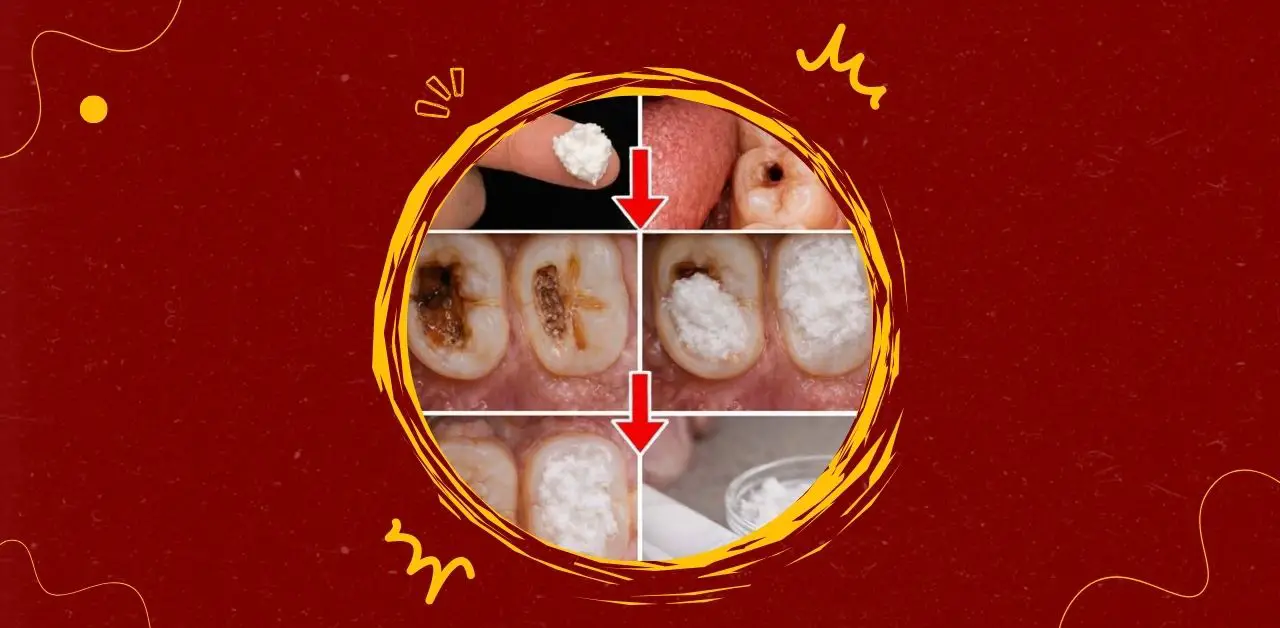
Herbal Tooth Powder for Natural Oral Care is a traditional, plant-based preparation designed to clean teeth, freshen breath, and support gum health without relying on synthetic chemicals. This recipe uses natural ingredients such as baking soda, clove powder, neem, and peppermint to create a fine powder that can be applied directly to the teeth and gums. Unlike commercial toothpaste, which often contains foaming agents and artificial flavors, this tooth powder emphasizes simplicity, purity, and effectiveness.
The powder works by gently scrubbing away plaque, neutralizing acids, and delivering antibacterial properties from herbs and spices. Clove powder, for example, has long been valued for its soothing qualities, while neem is celebrated for its ability to support oral hygiene. Baking soda balances pH and whitens teeth, while peppermint adds freshness. Together, these ingredients create a holistic oral care solution that feels both ancient and modern.
This recipe is not only practical but also symbolic. It reflects the wisdom of traditional remedies while aligning with contemporary interest in natural living. Preparing and using the tooth powder becomes a ritual of self-care, connecting you to both heritage and health.
Ingredients
- 4 tablespoons baking soda
- 2 tablespoons bentonite clay (food-grade, optional for detoxifying effect)
- 1 tablespoon clove powder
- 1 tablespoon neem powder (optional but recommended)
- 1 tablespoon cinnamon powder
- 1 tablespoon dried peppermint leaves (ground) or ½ teaspoon peppermint oil
- 1 teaspoon fine sea salt
- Optional: ½ teaspoon turmeric powder for added antibacterial support
Instruction
- Prepare the base: In a clean, dry bowl, combine baking soda and bentonite clay. These form the foundation of the powder, providing cleansing and balancing properties.
- Add herbal powders: Stir in clove powder, neem powder, cinnamon powder, and turmeric if using. Mix thoroughly to ensure even distribution.
- Incorporate flavor and freshness: Add ground peppermint leaves or peppermint oil. Stir until the mixture is fragrant and uniform.
- Balance with salt: Add fine sea salt for mineral support and gentle scrubbing action.
- Store the powder: Transfer the mixture to an airtight glass jar. Keep in a cool, dry place to preserve freshness.
- Use the powder: Dip a damp toothbrush into the powder and brush teeth gently for 2–3 minutes. Rinse thoroughly with water.
Servings
This recipe yields approximately 1 cup of tooth powder, enough for 40–50 uses depending on portion size.
Note
- Gentle use: Brush softly to avoid abrasion, especially if using salt or baking soda.
- Storage: Keep powder dry to prevent clumping.
- Customization: Adjust peppermint or cinnamon for flavor preference.
- Mindful ritual: Using herbal tooth powder encourages slowing down and connecting with natural oral care traditions.
Extended Article (1000+ Words)
The Tradition of Herbal Oral Care Oral hygiene has always been central to health, and long before modern toothpaste, people relied on natural powders and herbs to clean their teeth. In many cultures, tooth powders were made from crushed herbs, spices, and minerals. These powders not only cleaned teeth but also supported gum health and freshened breath.
Herbal Tooth Powder for Natural Oral Care is a continuation of this tradition. It combines the wisdom of ancient remedies with modern understanding of oral hygiene. By using natural ingredients, it avoids synthetic chemicals and emphasizes purity.
The Role of Each Ingredient
- Baking soda: Acts as a gentle abrasive, removing plaque and surface stains. It also neutralizes acids, helping to balance oral pH.
- Bentonite clay: Optional but beneficial. It binds toxins and provides minerals that support teeth and gums.
- Clove powder: Known for its soothing properties, clove supports gum health and freshens breath. Its natural oils have antibacterial qualities.
- Neem powder: Celebrated in traditional medicine for its ability to support oral hygiene. It helps reduce bacteria and maintain gum strength.
- Cinnamon powder: Adds flavor and warmth while offering antibacterial properties.
- Peppermint: Provides freshness and a cooling sensation. It also supports breath clarity.
- Sea salt: Adds minerals and enhances scrubbing action.
- Turmeric: Optional but powerful. It offers antibacterial and anti-inflammatory support, helping gums and teeth.
Together, these ingredients create a powder that is cleansing, refreshing, and supportive of oral health.
The Ritual of Preparation Making herbal tooth powder is a ritual that requires care and attention. Measuring and mixing the powders connects you to the ingredients. The aroma of clove, cinnamon, and peppermint fills the air, creating anticipation. Storing the powder in a jar symbolizes preservation and readiness.
Using the powder is equally ritualistic. Dipping a damp toothbrush into the jar, brushing gently, and rinsing thoroughly becomes a mindful act. It is not just about cleaning teeth but about connecting with tradition and self-care.
Serving and Enjoyment Herbal tooth powder is best used once or twice daily, depending on preference. Its flavor is earthy and aromatic, with notes of clove and peppermint. The experience is different from commercial toothpaste—it feels more natural, less foamy, and more connected to the ingredients.
The powder can be shared with family, offering a collective experience of natural oral care. It can also be gifted, symbolizing thoughtfulness and wellness.
Cultural Resonance of Herbal Remedies Herbal oral care reflects the values of tradition, resourcefulness, and natural living. In many cultures, herbs like clove and neem have been used for centuries to support oral health. Their continued use today demonstrates the universality of these practices.
The tooth powder embodies this heritage while aligning with modern interest in natural remedies. It connects past and present, tradition and innovation.
Practical Tips for Success
- Use food-grade powders for safety.
- Store in airtight containers to preserve freshness.
- Adjust flavors to suit personal preference.
- Brush gently to avoid abrasion.
- Rinse thoroughly after use.
Mindfulness in Preparation and Use Preparing and using herbal tooth powder encourages mindfulness. Each step requires attention, from measuring powders to brushing teeth. The process invites you to slow down, appreciate the aromas, and connect with the act of care.
Drinking water after brushing enhances the ritual, supporting hydration and cleansing. Together, these practices create a holistic approach to oral and overall health.
The Science Behind Oral Care Oral hygiene relies on removing plaque, balancing pH, and supporting gums. Baking soda and salt provide abrasiveness, removing buildup. Herbs like clove and neem reduce bacteria, while peppermint freshens breath. Together, they create a balanced approach to oral care.
The powder does not foam like toothpaste, but its effectiveness lies in its simplicity. By focusing on cleansing and supporting, it achieves results without unnecessary additives.
Serving Occasions Herbal tooth powder fits into daily routines. It can be part of morning rituals, evening care, or mindful practices. Its simplicity makes it suitable for both casual and formal contexts.
Its portability adds to its appeal. A small jar can be carried during travel, ensuring oral care remains natural and consistent.
Conclusion Herbal Tooth Powder for Natural Oral Care is more than a recipe—it is a tradition, a ritual, and a practice of wellness. It transforms simple herbs and minerals into a preparation that supports teeth, gums, and breath. The process of making it encourages mindfulness, while the act of using it connects you to heritage and health.