
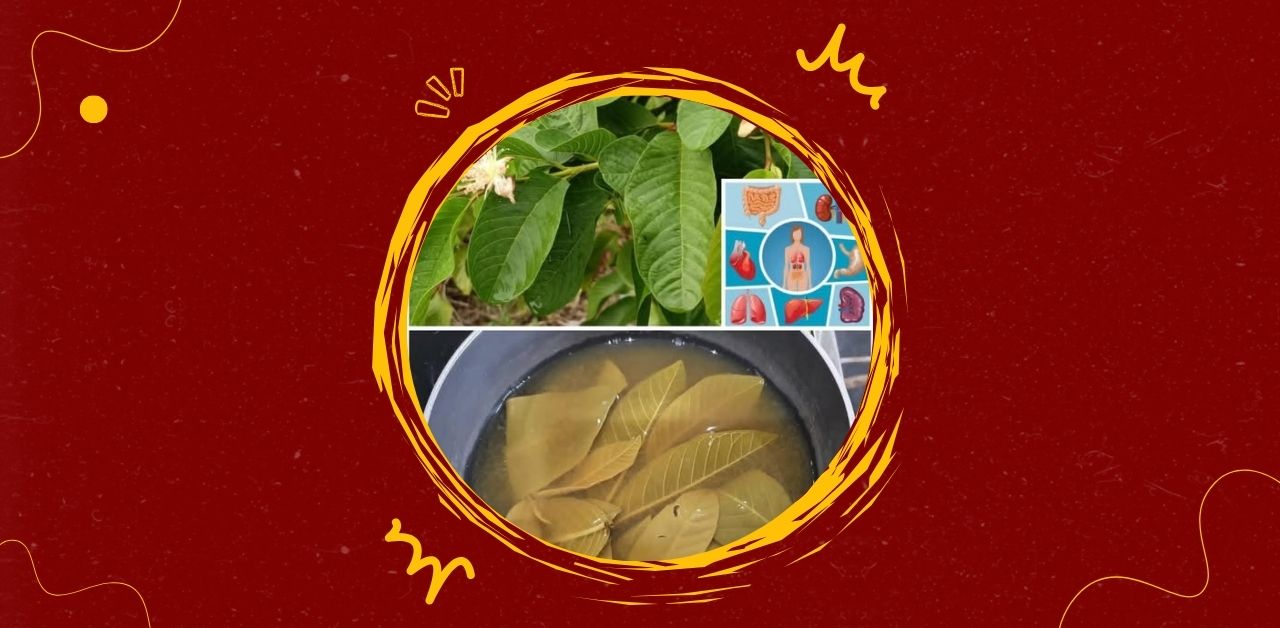
Guava Leaf Vitality Brew is a time-honored herbal infusion made by boiling fresh guava leaves in water to extract their natural compounds. This simple yet powerful remedy has been cherished across cultures for its potential to support digestive health, respiratory function, and overall internal balance. With its earthy aroma and slightly bitter undertone, this brew is not just a drink—it’s a ritual of wellness rooted in nature.
The guava plant, known for its vibrant green leaves and fragrant fruit, offers more than just culinary delight. Its leaves contain a variety of beneficial compounds including flavonoids, tannins, and antioxidants. When boiled, these compounds infuse the water with properties that are traditionally believed to aid in soothing the stomach, regulating blood sugar, supporting kidney and liver function, and promoting respiratory clarity.
This brew is especially valued in holistic and traditional practices for its gentle detoxifying effects. It’s caffeine-free, easy to prepare, and can be consumed warm or cool depending on preference. Whether used as a morning tonic, a digestive aid after meals, or a calming evening drink, Guava Leaf Vitality Brew invites you to reconnect with natural wellness in a deeply personal way.
INGREDIENTS:
Fresh preparation (for 1 liter of brew):
- 15–20 fresh guava leaves (young to medium-aged, washed thoroughly)
- 1 liter clean water (filtered or spring water preferred)
Optional additions (for flavor or enhanced benefits):
- 1 small cinnamon stick (for warmth and aroma)
- 2 slices fresh ginger (for digestive support)
- 1 teaspoon fennel seeds (for bloating and gas relief)
- 1 teaspoon honey or jaggery (added after boiling, for taste)
- Juice of half a lemon (added after cooling, for freshness)
INSTRUCTION:
Step 1: Select and clean the leaves
- Choose fresh guava leaves that are free from blemishes or insect damage. Young to medium-aged leaves are ideal—they’re tender yet potent.
- Rinse the leaves thoroughly under running water to remove dust, dirt, or any surface residue.
- If desired, gently crush or tear the leaves to help release their natural oils during boiling.
Step 2: Boil the infusion
- In a medium-sized pot, pour in 1 liter of clean water.
- Add the guava leaves to the pot. If using optional ingredients like cinnamon, ginger, or fennel seeds, add them now.
- Bring the mixture to a boil over medium heat. Once boiling, reduce the heat to low and let it simmer for 15–20 minutes.
- During simmering, the water will turn a light amber or greenish-brown hue, and the aroma will become earthy and herbal.
- Stir occasionally to ensure even extraction and prevent sticking.
Step 3: Strain and cool
- After simmering, remove the pot from heat and allow the brew to cool slightly for 5–10 minutes.
- Using a fine mesh strainer or cheesecloth, strain the liquid into a clean container or glass jug. Discard the boiled leaves and spices.
- If adding honey or lemon juice, stir them in now while the brew is warm but not hot.
Step 4: Serve and store
- Serve the brew warm for a soothing experience, especially in the morning or before bed.
- Alternatively, chill the brew in the refrigerator and serve cold over ice for a refreshing herbal drink.
- Store any leftover brew in a sealed glass container in the fridge for up to 48 hours. Shake gently before serving again.
SERVINGS:
This recipe yields approximately 4 cups (1 liter) of guava leaf brew, suitable for 2 to 4 servings depending on portion size. For therapeutic use, 1 cup per serving is typical. For casual sipping or hydration, smaller servings may be enjoyed throughout the day.
NOTE:
- Leaf selection: Always use fresh, pesticide-free guava leaves. If fresh leaves are unavailable, dried guava leaves can be used—about 2 tablespoons per liter of water.
- Flavor profile: The brew has a naturally earthy and slightly bitter taste. Adding ginger, cinnamon, or lemon can balance the flavor without compromising its benefits.
- Consumption timing: Best consumed on an empty stomach in the morning or 30 minutes before meals. Avoid drinking immediately after heavy meals.
- Frequency: For general wellness, 1–2 cups per day is sufficient. For targeted support (e.g., digestion or respiratory comfort), consult a qualified herbal practitioner for guidance.
- Storage tips: Always store in glass or ceramic containers. Avoid plastic, which may react with herbal compounds over time.
- Safety considerations: While guava leaf tea is generally safe, individuals with specific health conditions (e.g., low blood pressure, pregnancy, or chronic kidney issues) should consult a healthcare provider before regular use.
- Children and elders: Mildly diluted versions may be suitable for children or elders. Avoid strong brews for sensitive individuals.
- Seasonal use: In warmer months, serve chilled with lemon for a refreshing detox drink. In colder months, serve warm with cinnamon and ginger for added comfort.
- Pairing: This brew pairs well with light snacks like roasted nuts, fruit slices, or plain crackers. Avoid pairing with dairy or heavy meals.
- Cultural context: Guava leaf tea is used in various traditional systems including Ayurveda, folk medicine, and indigenous practices. Its use spans continents—from South Asia to Latin America—each with unique variations and beliefs.
- Mindful preparation: Preparing this brew can be a calming ritual. Take time to observe the aroma, color change, and warmth as part of your wellness routine.
- Environmental note: Guava plants are resilient and often grow abundantly. Harvesting leaves responsibly ensures sustainability and continued access to this natural remedy.
- Taste adjustment: If bitterness is too strong, reduce the number of leaves or add a natural sweetener. Avoid refined sugar, which may counteract the brew’s benefits.
- Complementary practices: Combine with deep breathing, light stretching, or meditation for a holistic wellness experience.
- Variations: For respiratory support, add tulsi (holy basil) or mint. For digestive aid, include cumin or ajwain seeds. For skin health, combine with neem leaves (in moderation).
- Visual cues: The brew should be clear to lightly cloudy, with a golden-brown tint. If it turns dark or overly thick, reduce boiling time or leaf quantity.
- Reuse of leaves: Boiled leaves can be composted or used as mulch in gardens. Avoid reboiling the same batch for consumption.
- Hydration balance: While beneficial, guava leaf brew should not replace regular water intake. Use as a supplement, not a substitute.
- Taste evolution: The flavor deepens slightly after refrigeration. If storing overnight, expect a more pronounced herbal note.
- Serving vessels: Use ceramic or glass mugs to preserve flavor. Avoid metal cups, which may alter taste.
- Community sharing: This brew can be made in larger batches for family or community wellness circles. Serve with a brief explanation of its purpose to encourage mindful consumption.
- Educational use: Ideal for introducing herbal remedies in workshops or wellness classes. Demonstrate leaf selection, boiling technique, and flavor balancing.
- Personalization: Adjust ingredients based on your body’s response. Some may prefer stronger brews, others lighter infusions. Listen to your body.
- Spiritual connection: In some traditions, guava leaves are considered purifying. Preparing and drinking the brew may be part of cleansing rituals or seasonal transitions.
- Scientific curiosity: While traditional use is widespread, modern research continues to explore guava leaf compounds. This brew bridges ancestral wisdom with contemporary interest.
- Respectful use: Honor the plant’s gifts by preparing with care, consuming mindfully, and sharing knowledge respectfully.
- Daily rhythm: Incorporate into morning or evening routines. It can be a grounding start or a calming end to your day.
- Taste layering: For a more complex profile, steep with lemongrass or dried hibiscus after boiling. Strain separately to maintain clarity.
- Avoid overuse: More is not always better. Stick to moderate servings and observe how your body responds over time.
- Culinary crossover: Though primarily medicinal, this brew can be used as a base for herbal jelly, light syrup, or even infused rice water.
- Mind-body synergy: Drinking herbal brews like this one encourages a slower pace, deeper awareness, and intentional self-care.