
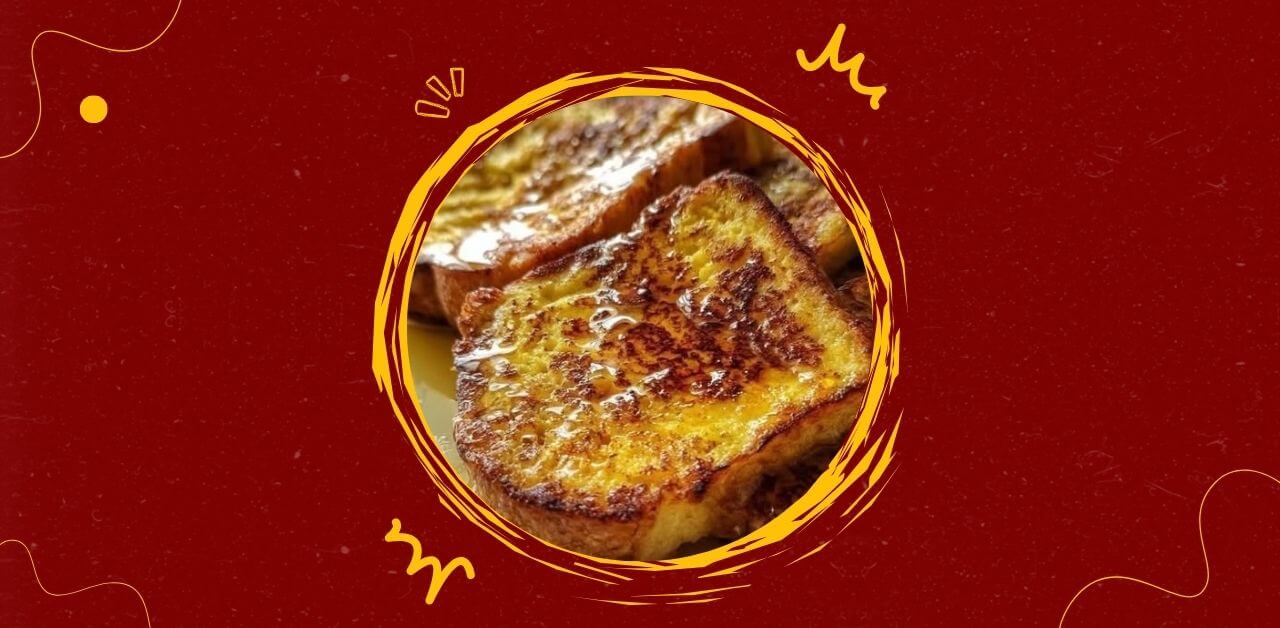
Golden French Toast with Syrup Glaze is a timeless breakfast classic that transforms simple slices of bread into a luxurious morning indulgence. With its crisp, caramelized edges and soft, custardy center, this dish is both comforting and elegant. The bread is soaked in a rich egg-milk mixture, then pan-fried to golden perfection and finished with a glossy drizzle of syrup that adds sweetness and shine.
This recipe is beloved for its simplicity and versatility. It’s quick to prepare, requires minimal ingredients, and can be customized endlessly. Whether you prefer it sweet or savory, thick or thin, French toast adapts to your taste and occasion. It’s perfect for lazy weekends, celebratory brunches, or even as a dessert when topped with whipped cream or fruit compote.
The magic of French toast lies in its texture: the outside is crisp and golden, while the inside remains soft and custard-like. The syrup glaze adds a layer of sweetness that complements the richness of the eggs and milk. You can use any bread—white, brioche, challah, or sourdough—and adjust the thickness to suit your preference. The result is a dish that feels indulgent yet familiar, satisfying yet light.
INGREDIENTS:
Base Ingredients:
- 6 slices of bread (preferably thick-cut or day-old)
- 3 large eggs
- ¾ cup whole milk
- 1 tablespoon sugar (optional, for sweetness)
- ½ teaspoon vanilla extract (optional, for aroma)
- Pinch of salt
- 2 tablespoons butter (for frying)
For the Syrup Glaze:
- ½ cup maple syrup or honey
- 1 tablespoon butter
- Optional: pinch of cinnamon or nutmeg
Optional Toppings:
- Fresh berries
- Sliced bananas
- Whipped cream
- Powdered sugar
- Toasted nuts
INSTRUCTION:
Step 1: Prepare the Custard Mixture In a wide mixing bowl, crack the eggs and whisk until smooth. Add milk, sugar, vanilla extract, and a pinch of salt. Whisk until fully combined. The mixture should be light and slightly frothy. This custard base is what gives French toast its signature texture.
Step 2: Soak the Bread Dip each slice of bread into the custard mixture, allowing it to soak for 10–15 seconds per side. If using thicker or stale bread, soak a bit longer to ensure the inside absorbs enough liquid. Avoid oversoaking, which can cause the bread to fall apart.
Step 3: Heat the Pan Place a non-stick skillet or griddle over medium heat. Add a tablespoon of butter and let it melt, coating the surface evenly. Once the butter begins to sizzle, it’s ready for the bread.
Step 4: Cook the French Toast Place soaked bread slices onto the hot pan. Cook for 2–3 minutes per side until golden brown and slightly crisp. Adjust heat as needed to prevent burning. Add more butter between batches if necessary.
Step 5: Make the Syrup Glaze In a small saucepan, heat maple syrup or honey over low heat. Add a tablespoon of butter and stir until melted and combined. For extra flavor, add a pinch of cinnamon or nutmeg. Keep warm until ready to serve.
Step 6: Assemble and Serve Arrange the cooked French toast slices on a plate. Drizzle generously with the warm syrup glaze. Add optional toppings like fresh fruit, whipped cream, or powdered sugar. Serve immediately while hot and crisp.
SERVINGS:
This recipe serves 3–4 people, depending on portion size. Each person typically enjoys 1–2 slices, especially when served with sides or toppings. For larger gatherings, the recipe can be doubled or tripled easily.
NOTE:
- Bread Choice: Thick-cut bread like brioche, challah, or sourdough works best. Day-old bread holds its shape better and absorbs custard without becoming soggy.
- Egg-Milk Ratio: The classic ratio is 1 egg to ¼ cup milk per 2 slices of bread. Adjust based on how custardy you want the interior.
- Flavor Enhancements: Vanilla extract adds warmth, while cinnamon or nutmeg gives a spiced aroma. You can also add orange zest or almond extract for a twist.
- Butter vs. Oil: Butter adds flavor and helps with browning, but burns quickly. If cooking in batches, consider mixing butter with a neutral oil to prevent scorching.
- Syrup Options: Maple syrup is traditional, but honey, agave, or fruit syrups work well. For a richer glaze, add a splash of cream or a pat of butter.
- Texture Tips: For crispier edges, use a hot pan and avoid overcrowding. For a softer texture, cook on lower heat and cover briefly to steam.
- Serving Suggestions: Pair with scrambled eggs, sausage, or yogurt for a complete breakfast. For dessert, serve with ice cream or chocolate sauce.
- Storage and Reheating: Leftover French toast can be stored in the refrigerator for up to 2 days. Reheat in a toaster oven or skillet to restore crispness. Avoid microwaving, which can make it soggy.
- Freezing: French toast freezes well. Place cooled slices between parchment paper and store in a freezer-safe bag. Reheat directly from frozen in a toaster or oven.
- Kid-Friendly Version: Skip spices and use mild bread. Serve with fruit slices and a drizzle of honey or jam.
- Savory Variation: Omit sugar and vanilla. Add herbs, cheese, or cooked vegetables to the custard. Serve with salsa or sour cream.
- Cultural Inspiration: French toast is known as “pain perdu” in France, meaning “lost bread.” It’s a way to revive stale bread into something delicious. Variations exist worldwide—from eggy bread in the UK to Bombay toast in India.
- Mindful Eating: French toast is rich and satisfying. Enjoy slowly, savoring the contrast between crisp edges and soft interior. Pair with fresh fruit or herbal tea for balance.
- Batch Scaling: To serve a crowd, bake soaked bread slices on a greased sheet pan at 375°F (190°C) for 20 minutes, flipping halfway. This method allows you to cook multiple slices at once.
- Garnish Ideas: Sprinkle with toasted coconut, crushed pistachios, or edible flowers for a gourmet touch. A dusting of cocoa powder or cinnamon sugar adds visual appeal.
- Serving Temperature: Best served hot and fresh. If holding for guests, keep warm in a low oven (200°F or 90°C) covered loosely with foil.
Golden French Toast with Syrup Glaze is more than just breakfast—it’s a celebration of texture, flavor, and comfort. With its crisp exterior, custardy center, and sweet finish, it turns everyday ingredients into something extraordinary. Whether you’re cooking for loved ones or treating yourself, this dish brings warmth and joy to the table, one golden slice at a time.