
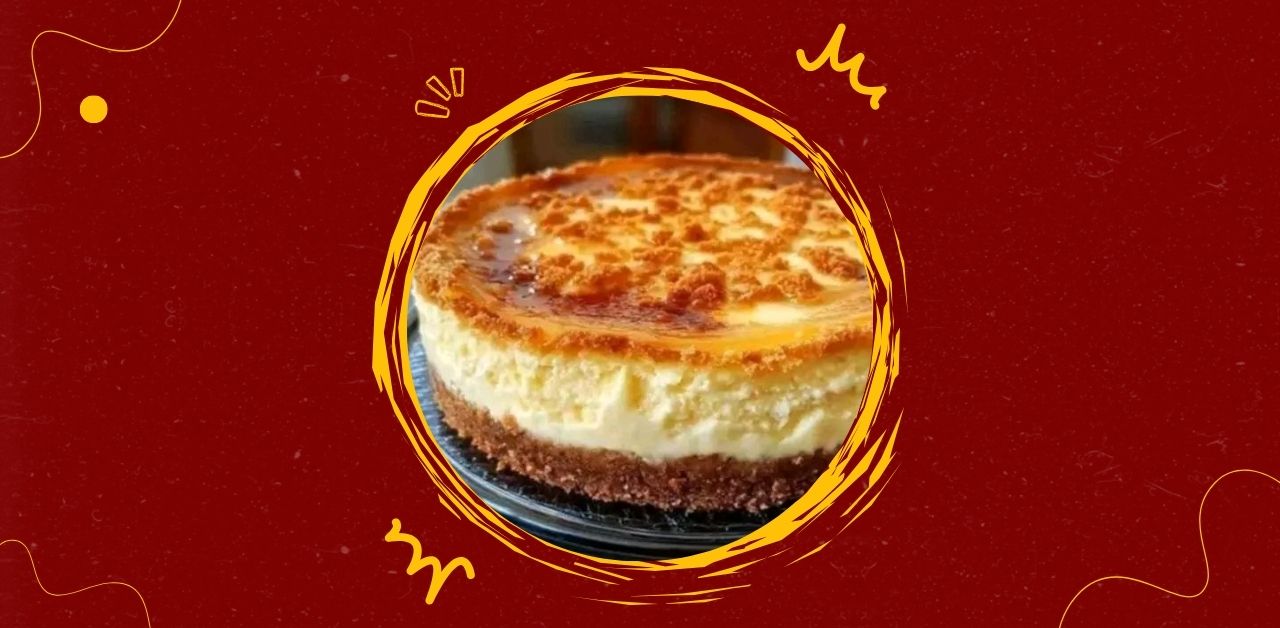
This baked cheesecake is a celebration of texture, richness, and simplicity. With its thick, crumbly crust, velvety cream cheese filling, and golden-brown top layer, it’s the kind of dessert that commands attention at any gathering. Unlike no-bake versions, this cheesecake is oven-baked to achieve a dense yet creamy interior and a slightly caramelized surface that adds depth and character. The crust, made from crushed biscuits and butter, provides a satisfying crunch that contrasts beautifully with the smooth filling.
The flavor is classic—sweet, tangy, and indulgent—without being overpowering. It’s the kind of dessert that pairs well with fresh fruit, a drizzle of caramel, or simply a cup of coffee. Whether served chilled or at room temperature, each slice delivers a luxurious mouthfeel and a comforting finish. This recipe is designed to be straightforward yet impressive, perfect for both novice bakers and seasoned dessert lovers. It’s a timeless treat that never goes out of style.
INGREDIENTS:
For the crust:
- 2 cups digestive biscuits or graham crackers, crushed
- ½ cup unsalted butter, melted
- 2 tablespoons granulated sugar (optional, for extra sweetness)
- ¼ teaspoon ground cinnamon (optional, for warmth)
For the filling:
- 900 grams cream cheese, softened
- 1 cup granulated sugar
- 3 large eggs
- 1 cup sour cream
- 2 teaspoons vanilla extract
- 2 tablespoons all-purpose flour
- Zest of 1 lemon (optional, for brightness)
- Pinch of salt
For the topping (optional):
- ¼ cup crushed biscuit crumbs
- 1 tablespoon sugar
- 1 tablespoon melted butter
INSTRUCTION:
Prepare the crust:
- Preheat your oven to 325°F (160°C). Grease a 9-inch springform pan and line the bottom with parchment paper.
- In a mixing bowl, combine crushed biscuits, melted butter, sugar, and cinnamon. Stir until the mixture resembles wet sand.
- Press the mixture firmly into the bottom of the pan, using the back of a spoon or a flat-bottomed glass to compact it evenly.
- Bake the crust for 10 minutes, then remove and let it cool while you prepare the filling.
Make the filling:
- In a large bowl, beat the softened cream cheese until smooth and lump-free. This step is crucial for a silky texture.
- Add sugar and beat again until fully incorporated.
- Add eggs one at a time, beating well after each addition. Scrape down the sides of the bowl to ensure even mixing.
- Stir in sour cream, vanilla extract, flour, lemon zest, and salt. Mix until smooth but avoid overbeating, which can introduce air bubbles.
- Pour the filling over the cooled crust and smooth the top with a spatula.
Add the topping (optional):
- In a small bowl, mix crushed biscuit crumbs, sugar, and melted butter. Sprinkle evenly over the cheesecake filling for a golden, crumbly finish.
Bake the cheesecake:
- Place the springform pan in a larger roasting pan. Fill the roasting pan with hot water until it reaches halfway up the sides of the cheesecake pan. This water bath helps prevent cracking.
- Bake for 60–70 minutes, or until the edges are set and the center still has a slight wobble.
- Turn off the oven and let the cheesecake sit inside with the door slightly ajar for 1 hour. This gradual cooling helps prevent surface cracks.
- Remove from the oven and water bath. Let cool completely at room temperature.
- Cover and refrigerate for at least 6 hours, preferably overnight, to allow the flavors and texture to develop.
Serve:
- Run a knife around the edge of the pan before releasing the springform. Transfer the cheesecake to a serving plate.
- Slice with a warm knife for clean cuts. Serve plain or with fresh berries, whipped cream, or a drizzle of honey.
SERVINGS:
This recipe yields 12 generous slices. Perfect for a dinner party, celebration, or weekend indulgence.
NOTE:
- Room temperature ingredients matter. Cream cheese, eggs, and sour cream should be at room temperature to ensure a smooth, lump-free filling.
- Avoid overmixing. Overbeating the batter can incorporate air, leading to cracks or a puffed surface. Mix just until combined.
- Water bath is optional but recommended. It creates a moist baking environment that helps the cheesecake bake evenly and prevents cracking.
- Cooling is key. Sudden temperature changes can cause the cheesecake to crack. Let it cool gradually in the oven, then at room temperature before chilling.
- Storage tips: Cheesecake can be stored in the refrigerator for up to 5 days. Cover loosely with foil or plastic wrap to prevent drying out.
- Freezing: Wrap individual slices tightly in plastic wrap and freeze for up to 2 months. Thaw overnight in the fridge before serving.
- Flavor variations: Add a swirl of fruit puree, chocolate ganache, or caramel before baking for a twist. You can also infuse the filling with spices like cardamom or espresso powder.
- Crust alternatives: Try using chocolate cookies, shortbread, or oat biscuits for different flavor profiles. Adjust butter quantity based on the dryness of the crumbs.
- Presentation tip: For a clean look, wipe the knife between each slice. Garnish with mint leaves or citrus zest for a fresh touch.