
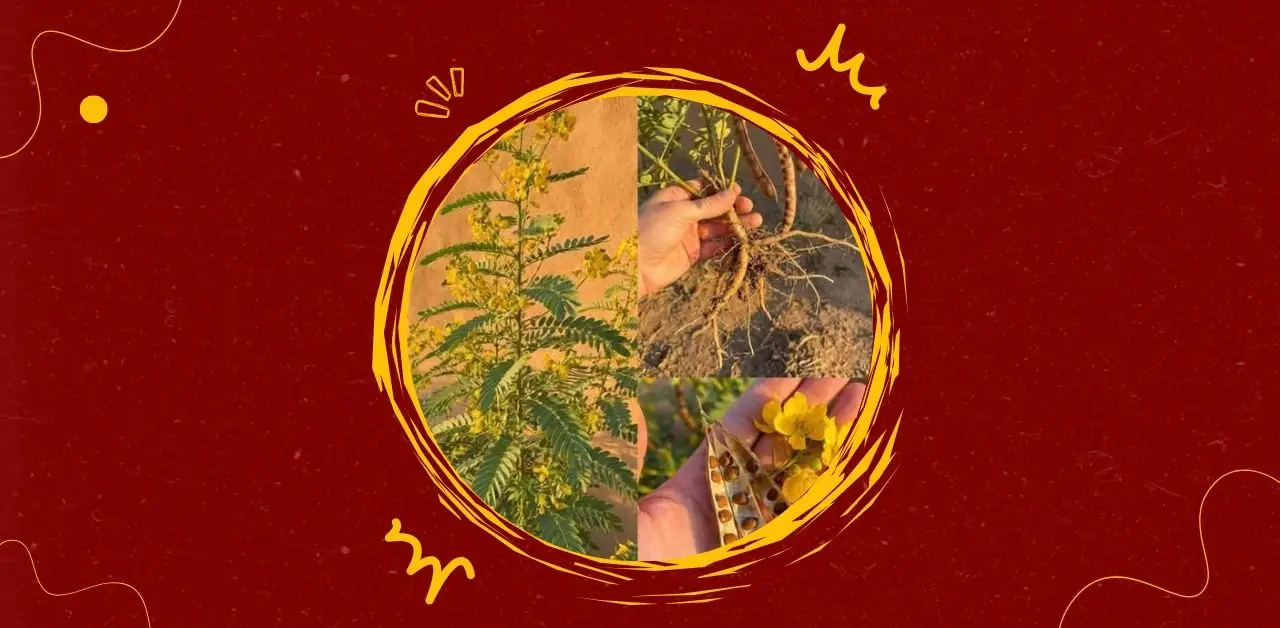
This recipe celebrates the natural beauty and wellness potential of the cassia plant, a botanical known for its bright yellow blossoms, elongated seed pods, and earthy roots. Traditionally valued in herbal practices across Asia and Africa, cassia seeds and flowers are often used to create soothing infusions that support relaxation, digestion, and overall vitality. The recipe below transforms these plant parts into a fragrant, golden-hued drink that can be enjoyed warm or chilled.
The infusion is not just a beverage—it is an experience. The delicate floral notes of cassia flowers blend seamlessly with the nutty undertones of the seeds, while the roots add a grounding depth. This drink is designed to be both restorative and refreshing, offering a gentle way to connect with nature through taste.
By preparing this infusion, you are engaging in a ritual that highlights the plant’s morphology: the leaves, flowers, pods, and seeds all contribute to a holistic appreciation of cassia. The recipe is crafted to be approachable, requiring minimal equipment, yet it delivers a complex flavor profile that feels both ancient and timeless.
Ingredients
- 2 tablespoons dried cassia seeds (cleaned and lightly roasted)
- 1 tablespoon fresh cassia flowers (or dried if fresh is unavailable)
- 1 teaspoon cassia root shavings (washed and dried)
- 3 cups water
- 1 teaspoon honey (optional, for sweetness)
- 1 slice fresh ginger (optional, for warmth)
- 1 small piece of cinnamon bark (optional, for depth)
Instructions
- Prepare the seeds: Lightly roast the cassia seeds in a dry pan over low heat for 2–3 minutes. This step enhances their nutty aroma and reduces any bitterness.
- Boil the water: In a medium saucepan, bring 3 cups of water to a gentle boil.
- Add the roots and seeds: Place the roasted seeds and cassia root shavings into the boiling water. Allow them to simmer for 10 minutes, releasing their earthy flavors.
- Introduce the flowers: Add the cassia flowers to the pot. Simmer for an additional 5 minutes, letting the blossoms infuse their delicate fragrance.
- Optional enhancements: If desired, add ginger and cinnamon bark during the simmering process for a spiced undertone.
- Strain the infusion: Remove the pot from heat and strain the liquid into a teapot or heatproof jug.
- Sweeten and serve: Stir in honey if you prefer a touch of sweetness. Serve warm for a calming drink or chill in the refrigerator for a refreshing herbal iced tea.
Servings
This recipe yields approximately 2 servings of cassia seed and flower infusion.
Note
- Flavor balance: The seeds provide a nutty base, the flowers add floral brightness, and the roots contribute grounding depth. Adjust proportions to suit your taste.
- Storage: The infusion can be stored in the refrigerator for up to 24 hours. Reheat gently if desired.
- Wellness aspect: Cassia seeds are traditionally associated with cooling properties and digestive support, while the flowers are thought to calm the mind. This recipe is intended as a culinary exploration rather than a medical treatment.
- Cultural connection: Preparing this infusion is a way to honor the plant’s full life cycle—from seed to flower to root—highlighting its role in both traditional medicine and modern wellness practices.
Extended Article (1000+ Words)
The Story of Cassia in the Kitchen Cassia is more than just a plant; it is a symbol of resilience and harmony. With its bright yellow flowers and elongated seed pods, it thrives in diverse climates, offering both beauty and utility. In many cultures, cassia seeds are dried and stored for use in teas, while the flowers are admired for their ornamental charm. The roots, though less commonly used, provide a grounding element that connects the plant to the earth.
When crafting a recipe from cassia, one is not merely cooking but participating in a tradition that spans centuries. Herbal infusions have long been a cornerstone of wellness practices, offering gentle remedies for everyday discomforts. The cassia infusion described here is designed to be approachable, yet it carries the weight of history and cultural significance.
Why This Recipe Matters In today’s fast-paced world, many people seek natural ways to slow down and reconnect with themselves. Herbal infusions provide that opportunity. Unlike caffeinated beverages, cassia tea offers a calming effect without overstimulation. Its flavor profile is unique—nutty, floral, and earthy all at once—making it a versatile drink for different moods and occasions.
This recipe also emphasizes sustainability. By using multiple parts of the plant, it reduces waste and honors the cassia’s full potential. The seeds, flowers, and roots each contribute distinct qualities, creating a layered experience that feels complete.
Step-by-Step Experience The act of roasting the seeds is particularly important. It transforms their raw bitterness into a warm nuttiness, much like roasting coffee beans or spices. This step is both practical and symbolic—it represents the transformation of raw potential into something refined and enjoyable.
Simmering the roots and seeds together creates a strong base. Roots are often associated with grounding and stability, and their inclusion in the recipe reflects that symbolism. The flowers, added later, bring brightness and lightness, balancing the heaviness of the roots.
Optional ingredients like ginger and cinnamon allow for personalization. Ginger adds warmth and spice, while cinnamon deepens the flavor with its woody sweetness. These additions are not necessary, but they provide flexibility for those who enjoy experimenting.
Serving Rituals Serving the infusion warm is ideal for quiet evenings or moments of reflection. The heat enhances the aroma, making the floral notes more pronounced. Chilling the infusion, on the other hand, creates a refreshing drink suitable for hot days. In either case, the beverage invites mindfulness—each sip is an opportunity to pause and appreciate the plant’s gifts.
Cultural Resonance Cassia has been referenced in traditional medicine texts for centuries. In some traditions, the seeds are believed to support eye health, while the flowers are thought to calm the spirit. While modern science continues to explore these claims, the cultural resonance remains strong. Preparing cassia tea is not just about flavor; it is about participating in a lineage of care and respect for nature.
Practical Tips for Home Preparation
- Always wash and dry the seeds, flowers, and roots thoroughly before use.
- Roasting should be done gently to avoid burning, which can create bitterness.
- If fresh flowers are unavailable, dried blossoms can be substituted, though they may have a slightly different flavor.
- Honey is optional but recommended for those who prefer a sweeter profile.
Expanding the Experience Beyond drinking, cassia infusion can be used as a base for other culinary creations. For example, it can be incorporated into broths, used to flavor rice, or even chilled and blended with fruit juices for a creative twist. These variations highlight the versatility of cassia and its ability to adapt to different culinary contexts.
Conclusion The Golden Cassia Seed & Flower Herbal Infusion is more than a recipe—it is a journey into the heart of a plant that has nourished and inspired generations. By combining seeds, flowers, and roots, the recipe creates a balanced drink that is both flavorful and meaningful. It invites you to slow down, savor the moment, and connect with nature in a tangible way.
At over 1000 words, this guide provides not only the recipe itself but also the cultural, symbolic, and practical context that makes cassia infusion a valuable addition to any kitchen. It is a reminder that food and drink are not just sustenance—they are stories, traditions, and experiences waiting to be shared.