
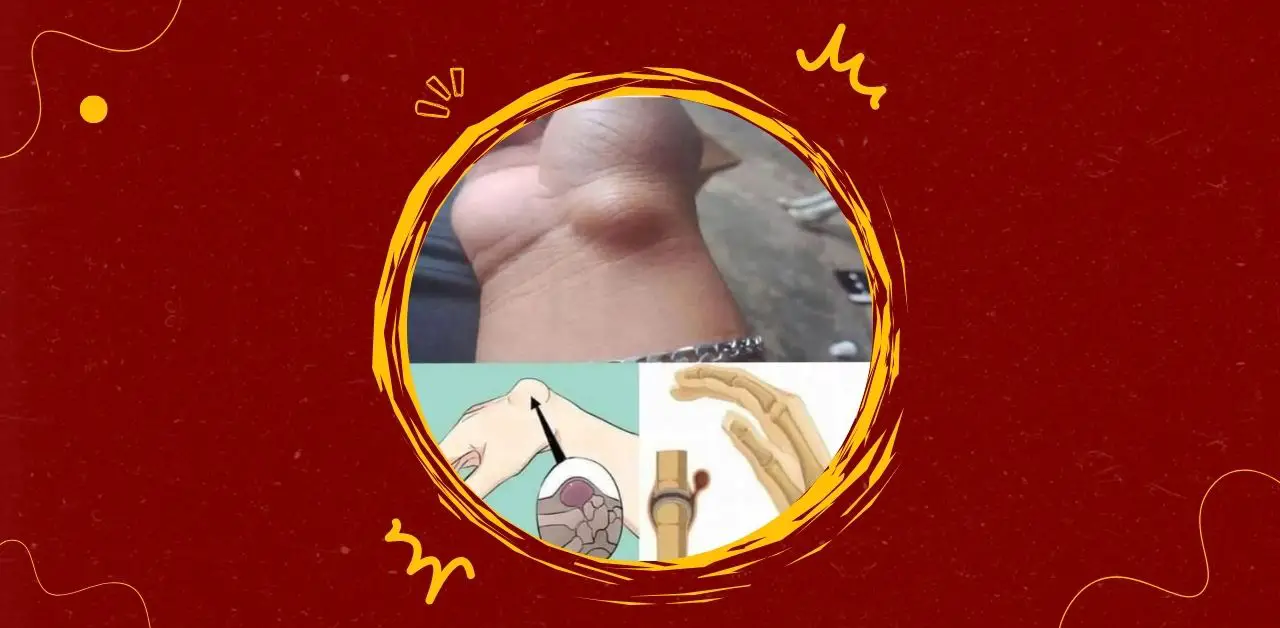
Ganglion cysts are noncancerous, fluid-filled lumps that most often appear on the wrist or hand. They can be painless, but sometimes cause discomfort if pressing on a nerve or joint. Most cysts resolve on their own, though treatment options include aspiration (draining) or surgical removal if symptoms persist.
What is a Ganglion Cyst?
- Definition: A ganglion cyst is a round or oval lump filled with a jelly-like fluid.
- Location: Commonly found on the wrist, hand, ankle, or foot.
- Size: Ranges from pea-sized to several centimeters; may grow or shrink over time.
- Nature: Benign (noncancerous) and not dangerous.
Symptoms
- Visible lump: Smooth, soft, and located near a joint or tendon.
- Pain or discomfort: Usually painless, but can cause aching, tingling, or numbness if pressing on nerves.
- Movement issues: May restrict joint mobility if large.
- Occult cysts: Some are hidden beneath the skin and only visible via imaging.
Causes and Risk Factors
- Unknown exact cause: Thought to arise from leakage of joint or tendon fluid.
- Age and sex: More common in women aged 20–40.
- Joint injury: Previous trauma increases risk.
- Arthritis: Especially osteoarthritis in finger joints near the nails.
Diagnosis
- Physical exam: Doctors check lump’s location, size, and translucency.
- Imaging: X-rays, ultrasound, or MRI may be used to rule out other conditions.
- Biopsy: Rarely needed, but confirms fluid-filled nature.
Treatment Options
- Observation: If painless, no treatment is necessary. Many cysts shrink or disappear naturally.
- Splints or braces: Reduce movement and swelling.
- Aspiration: Fluid drained with a needle; symptoms may return since the cyst wall remains.
- Surgery (ganglionectomy): Removes cyst and stalk; outpatient procedure with recovery in 2–6 weeks. Recurrence rate is 5–15%.
Self-Care and Precautions
- Do not attempt to burst or pop: Risk of infection and tissue damage.
- Pain relief: Over-the-counter anti-inflammatory medications may help.
- Supports: Compression wraps or wrist supports can ease discomfort.
Prognosis
- Generally harmless: Ganglion cysts are benign and pose no long-term threat.
- May recur: Even after treatment, cysts can return.
- When to seek help: If the lump grows, becomes painful, restricts movement, or causes cosmetic concern.
Conclusion
Ganglion cysts are common, benign lumps that often resolve without intervention. While they can cause discomfort or limit movement, they are not dangerous. Treatment ranges from simple observation to surgical removal, depending on symptoms. If you notice a lump on your wrist, hand, ankle, or foot, consult a healthcare provider to confirm the diagnosis and discuss management options.