
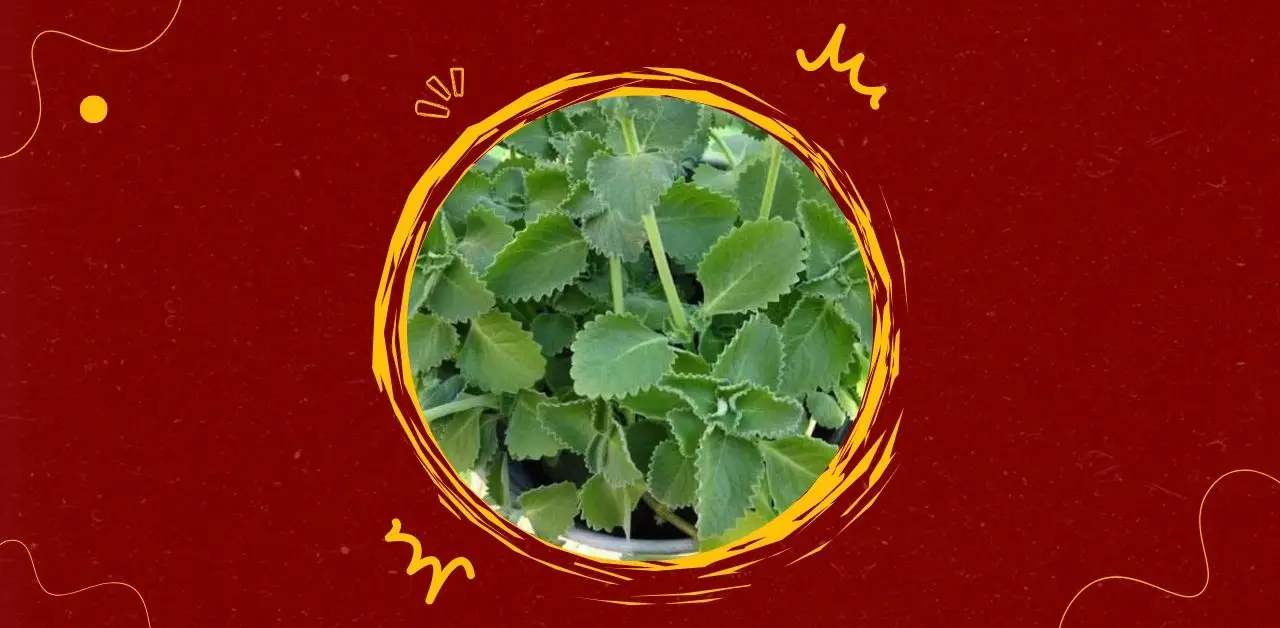
Indian borage, also known as Cuban oregano (Plectranthus amboinicus), is a hardy, aromatic plant with thick, serrated leaves. It has been cultivated for centuries in tropical and subtropical regions, valued both as a culinary herb and as a traditional remedy. While some promotional claims exaggerate its effects—such as curing cataracts or eliminating the need for glasses—it remains a plant with genuine wellness and culinary uses that deserve attention.
Botanical Profile
- Appearance: Thick, fleshy leaves with scalloped edges, slightly fuzzy texture, and a strong oregano-like aroma.
- Growth: Easy to grow in pots or gardens, thriving in warm climates with minimal care.
- Flavor: Sharp, pungent, and slightly minty, making it a popular substitute for oregano in cooking.
Traditional Uses
Indian borage has been used in folk medicine across Asia, Africa, and the Caribbean. Its leaves are often brewed into teas, crushed into poultices, or incorporated into food. Common traditional applications include:
- Respiratory relief: Infusions are used to soothe coughs, colds, and asthma.
- Digestive aid: Leaves may be chewed or brewed to ease indigestion, bloating, and flatulence.
- Skin care: Crushed leaves are applied to minor wounds, insect bites, or skin irritations.
- Aromatic therapy: The strong scent is believed to clear nasal passages and refresh the senses.
Culinary Uses
- Flavoring agent: Used in soups, stews, and meat dishes as a substitute for oregano or thyme.
- Herbal tea: Leaves steeped in hot water create a refreshing, minty beverage.
- Condiments: Blended into chutneys or sauces for a bold herbal flavor.
Nutritional and Wellness Properties
Indian borage contains compounds such as carvacrol, thymol, and eugenol, which contribute to its aroma and potential health benefits. These compounds are known for:
- Antimicrobial activity: Helping resist bacterial and fungal growth.
- Anti-inflammatory properties: Supporting relief from minor swelling or irritation.
- Antioxidants: Contributing to overall wellness by combating oxidative stress.
Important Clarification
While Indian borage is celebrated in traditional medicine, there is no scientific evidence that it cures cataracts or restores vision. Cataracts are a medical condition involving clouding of the eye’s lens, and treatment typically requires surgical intervention. Herbal remedies may support general wellness, but they cannot replace professional ophthalmological care.
Safe Use Guidelines
- Moderation: Use small amounts in cooking or teas; excessive consumption may cause stomach upset.
- Topical use: Test on a small area of skin first to avoid irritation.
- Consultation: Always seek medical advice before using herbs for health conditions, especially if you have chronic illnesses or take medications.
Conclusion
Indian borage, or Cuban oregano, is a versatile plant that bridges culinary delight with traditional wellness practices. Its bold flavor makes it a valuable kitchen herb, while its aromatic and soothing qualities have earned it a place in folk remedies worldwide. However, it is important to separate tradition from exaggerated claims: while this plant can support general health and provide comfort, it cannot replace medical treatments for serious conditions like cataracts.
Embracing Indian borage as part of your lifestyle means appreciating its natural aroma, flavor, and gentle wellness properties. Whether grown in a pot on your balcony or brewed into a calming tea, it serves as a reminder of how simple plants can enrich daily life with both nourishment and care.