
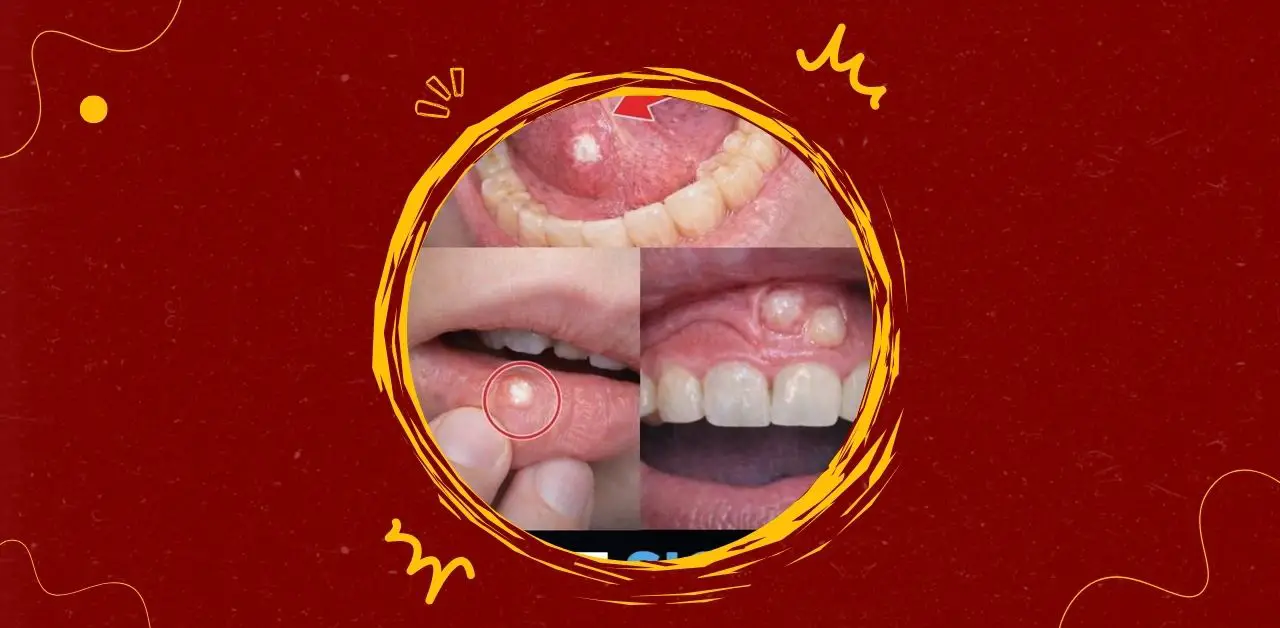
Your mouth often gives the earliest clues about your overall health. Small changes—like white bumps, lesions, or sores—can be easy to overlook, but they may signal the beginning of an oral condition that deserves attention. Recognizing these signs early can help prevent discomfort, complications, and even systemic health issues.
Common Early Signs
- White Lesions or Bumps Small, raised white spots inside the lips, gums, or cheeks may indicate irritation, infection, or other conditions.
- Canker Sores (Aphthous Ulcers) Painful, round sores with a white or yellow center and red border. They often appear on the inner lips or cheeks.
- Oral Herpes (Cold Sores) Caused by the herpes simplex virus, these lesions may start as tingling or burning before developing into fluid-filled blisters.
- Leukoplakia Thickened, white patches on the gums, cheeks, or tongue. While often benign, persistent patches should be checked by a dentist, as they can sometimes be precancerous.
- Oral Thrush (Candidiasis) White, creamy lesions caused by fungal overgrowth. More common in individuals with weakened immunity or after antibiotic use.
Why Early Detection Matters
- Prevents worsening of pain and discomfort
- Reduces risk of spreading infections (like herpes or thrush)
- Helps identify precancerous changes early
- Supports overall health, since oral conditions can be linked to systemic issues like diabetes or immune disorders
When to Seek Professional Help
- Lesions that persist longer than two weeks
- Painful sores that interfere with eating or speaking
- Multiple or recurring outbreaks
- White patches that cannot be scraped off
- Any sudden change in oral tissue appearance
Practical Self-Care Tips
- Maintain good oral hygiene: brush twice daily, floss, and rinse with mild mouthwash.
- Avoid irritants: spicy foods, tobacco, and alcohol can worsen lesions.
- Stay hydrated: dryness can aggravate oral tissues.
- Support immunity: balanced diet, adequate sleep, and stress management.
Conclusion
White bumps or lesions in the mouth may seem minor, but they are often the body’s way of signaling an underlying issue. Paying attention to these early signs, practicing good oral care, and consulting a dental professional when needed can protect both your oral and overall health. Awareness is the first step toward prevention.