
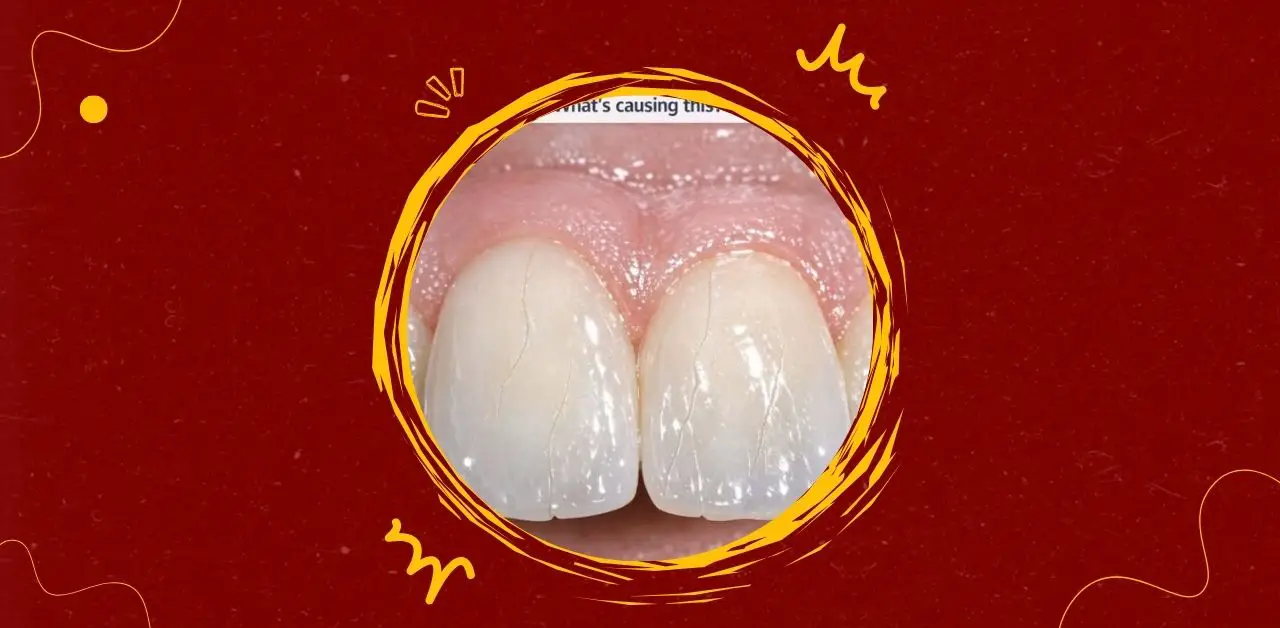
Noticing fine cracks on teeth can be unsettling, especially when there hasn’t been any obvious injury. These lines, often referred to as “craze lines,” are common and usually harmless, but they can sometimes signal underlying issues. Understanding what causes them and how to care for your teeth can help ease worry and maintain long-term dental health.
What Are Craze Lines?
Craze lines are tiny, superficial cracks that appear on the enamel—the outermost layer of the tooth. They often run vertically and are more visible on front teeth. Unlike deeper fractures, craze lines don’t typically cause pain or compromise the tooth’s strength. They are similar to hairline cracks in glass: noticeable, but not necessarily dangerous.
Common Causes of Fine Cracks
- Natural Wear and Tear: Over time, teeth endure constant pressure from chewing, biting, and grinding. This daily stress can create small cracks in the enamel.
- Bruxism (Teeth Grinding): Grinding or clenching teeth, often during sleep, places excessive force on enamel, leading to fine cracks.
- Temperature Changes: Consuming very hot and then very cold foods or drinks can cause enamel to expand and contract, resulting in tiny fractures.
- Biting Hard Objects: Chewing ice, hard candy, or even pens can stress enamel and create cracks.
- Aging: As enamel naturally thins with age, teeth become more prone to visible lines and cracks.
When to Be Concerned
Most fine cracks are cosmetic and don’t require treatment. However, deeper cracks can extend into the dentin or pulp, causing sensitivity, pain, or risk of infection. Warning signs include:
- Pain when biting or chewing.
- Sensitivity to hot or cold foods.
- Visible discoloration along the crack.
- Swelling or discomfort in the gums near the affected tooth.
If these symptoms occur, professional evaluation is important.
Caring for Teeth with Fine Cracks
- Practice Gentle Habits: Avoid chewing hard objects and be mindful of grinding or clenching.
- Use a Mouthguard: If bruxism is an issue, a night guard can protect teeth from excessive pressure.
- Maintain Oral Hygiene: Regular brushing and flossing keep enamel strong and reduce risk of further damage.
- Stay Hydrated: Saliva helps protect enamel, so drink plenty of water.
- Regular Check-ups: Routine dental visits allow early detection of cracks that may need attention.
Cosmetic Options
For those bothered by the appearance of craze lines, dentists may suggest treatments such as:
- Polishing: Smooths out minor lines.
- Bonding: Covers cracks with tooth-colored resin.
- Veneers: Provides a new surface layer for teeth with multiple visible lines.
Conclusion
Fine cracks in teeth are often a natural part of aging and daily wear. While they may look concerning, most are harmless and don’t require treatment. Paying attention to habits, protecting teeth from excessive stress, and maintaining good oral hygiene can minimize their progression. If cracks are accompanied by pain or sensitivity, professional care ensures that deeper issues are addressed promptly. Ultimately, these lines remind us of the resilience of our teeth and the importance of caring for them throughout life.