
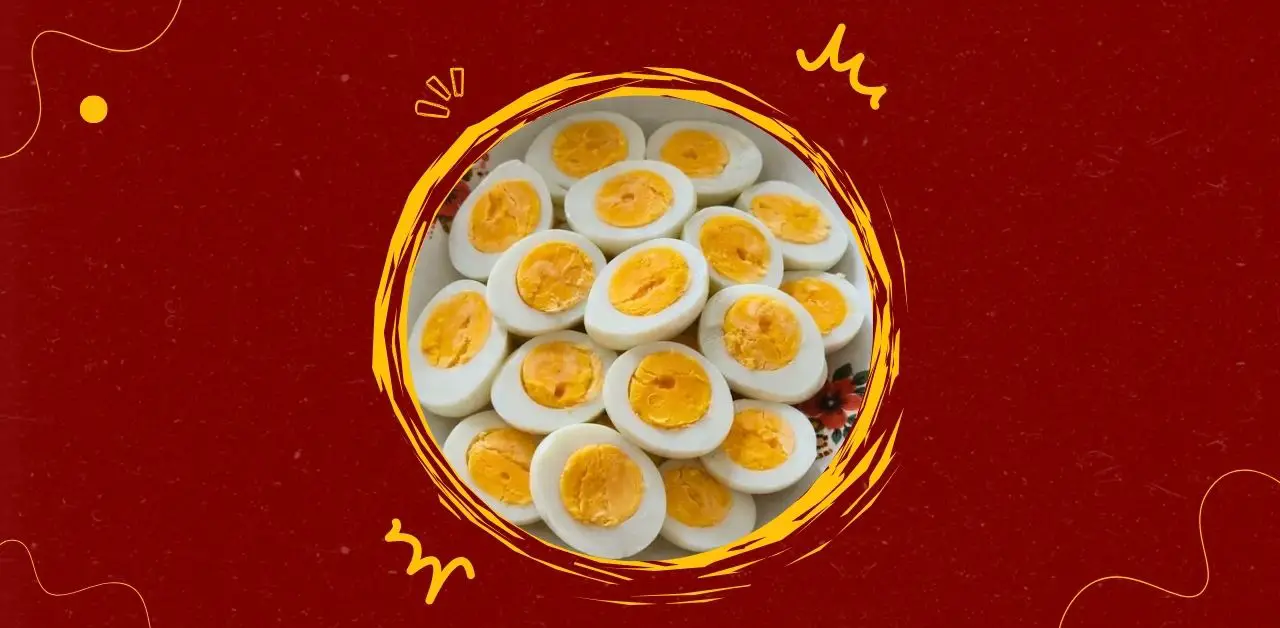
Hard-boiled eggs are one of the simplest yet most versatile foods in the kitchen. They serve as a nutritious snack, a protein-packed breakfast, or a key ingredient in salads, sandwiches, and appetizers. With their firm whites and creamy yolks, they are both satisfying and adaptable. Preparing them correctly ensures a smooth texture, vibrant yolk color, and easy peeling. This recipe focuses on achieving consistent results, making hard-boiled eggs that are flavorful, safe, and visually appealing.
INGREDIENTS
- 6 large eggs
- Water (enough to cover eggs by 1 inch in the pot)
- ½ teaspoon salt (optional, helps prevent cracking)
- 1 teaspoon vinegar (optional, aids in easier peeling)
INSTRUCTION
- Prepare the Pot Place the eggs in a single layer at the bottom of a medium-sized saucepan. Add enough cold water to cover them by about an inch.
- Add Salt and Vinegar (Optional) Sprinkle in the salt and vinegar. These additions help protect the shells from cracking and make peeling smoother.
- Bring to a Boil Place the pot on medium-high heat. Allow the water to come to a rolling boil.
- Cook the Eggs Once boiling, reduce the heat slightly and let the eggs cook for 9–12 minutes, depending on desired firmness:
- 9 minutes: slightly softer yolk, creamy texture.
- 12 minutes: fully firm yolk, classic hard-boiled consistency.
- Cool the Eggs Immediately transfer the eggs to a bowl of ice water or run them under cold water for 5–10 minutes. This stops cooking and prevents overcooked, greenish yolks.
- Peel and Serve Gently crack the shell and peel under running water for ease. Serve plain, seasoned with salt and pepper, or use in recipes.
SERVINGS
This recipe yields 6 servings, with one egg per serving.
NOTE
- Storage: Hard-boiled eggs can be stored in the refrigerator for up to 7 days. Keep them in their shells until ready to eat to maintain freshness.
- Peeling Tip: Older eggs peel more easily than very fresh ones. If possible, use eggs that are at least a week old.
- Avoid Overcooking: Overcooked eggs develop a green ring around the yolk due to sulfur and iron reactions. Cooling them quickly prevents this.
- Versatility: Hard-boiled eggs can be sliced into salads, mashed into spreads, or seasoned with spices for a quick snack.
- Nutritional Value: Each egg provides high-quality protein, essential vitamins, and minerals, making them a wholesome addition to any diet.
This recipe highlights the beauty of simplicity. Hard-boiled eggs require minimal ingredients and effort, yet they deliver maximum versatility. Whether enjoyed on their own or incorporated into larger dishes, they remain a timeless staple in kitchens worldwide. By following these steps carefully, you’ll achieve perfectly cooked eggs every time—bright yolks, tender whites, and shells that peel with ease.