
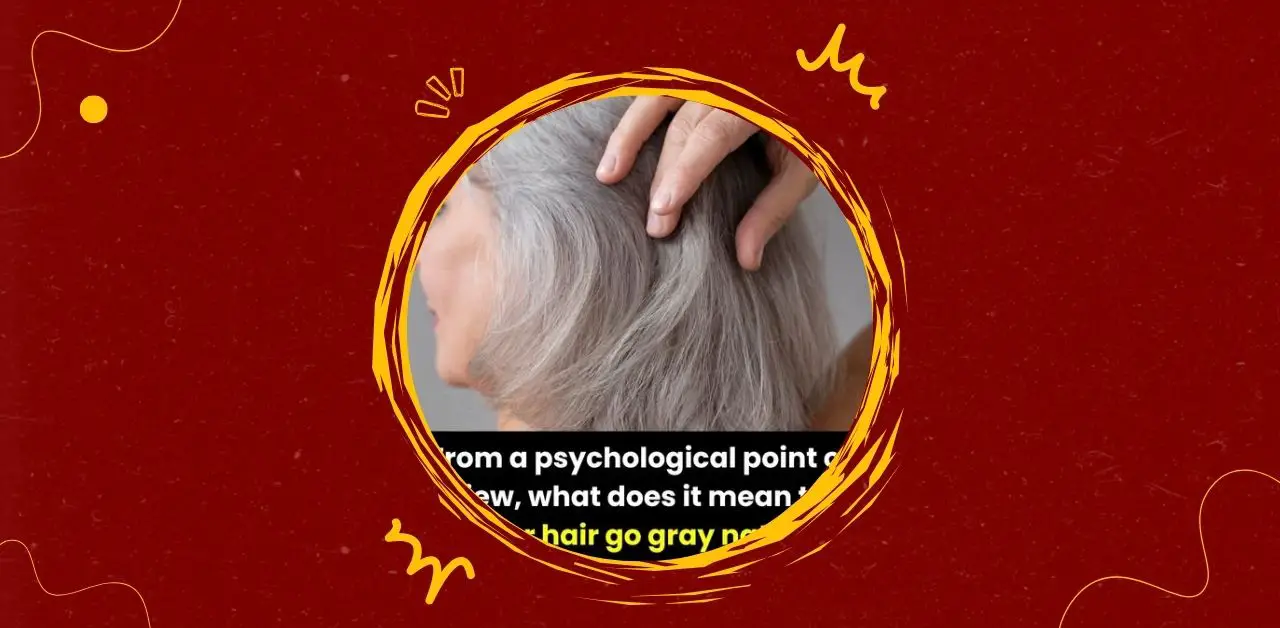
Hair color has long been tied to cultural ideals of youth, beauty, and vitality. For many, dyeing gray hair is seen as a way to resist aging and maintain a youthful appearance. Yet, more people are choosing to let their hair go gray naturally. This decision carries deep psychological and social meaning, reflecting values of authenticity, acceptance, and identity.
Self-Acceptance and Authenticity
- Embracing change: Allowing hair to gray naturally signals acceptance of the aging process rather than resisting it.
- Authenticity: It reflects a desire to present oneself honestly, without concealing natural features.
- Confidence: Psychologists often view this choice as an expression of self-assurance—valuing inner qualities over external appearance.
Identity and Autonomy
- Personal empowerment: Choosing not to dye hair can be a declaration of independence from societal beauty standards.
- Redefining identity: Gray hair becomes part of one’s evolving self-image, symbolizing wisdom, maturity, and resilience.
- Breaking norms: It challenges cultural pressures that equate youth with worth, especially for women who face stronger expectations to conceal aging.
Psychological Benefits
- Reduced stress: No longer worrying about constant touch-ups or hiding roots can relieve anxiety.
- Positive aging mindset: Accepting gray hair fosters healthier attitudes toward aging, focusing on growth and experience rather than loss.
- Role modeling: It can inspire others—family, peers, or younger generations—to embrace authenticity and resist unrealistic beauty ideals.
Social and Cultural Dimensions
- Changing perceptions: In many societies, gray hair is increasingly celebrated as stylish and dignified.
- Gender differences: Men have historically faced less stigma around gray hair, while women’s choice to go natural is often more radical and symbolic.
- Community influence: Supportive social circles and visible public figures embracing gray hair can reinforce the psychological comfort of this choice.
Challenges and Resistance
- Societal pressure: Some may still face judgment or feel less attractive due to ingrained cultural biases.
- Internal conflict: The decision can stir mixed emotions—pride in authenticity but discomfort with visible aging.
- Gradual transition: Many ease into the change, blending dyed hair with natural growth before fully embracing gray.
Conclusion
From a psychological standpoint, letting hair go gray naturally is more than a cosmetic choice—it’s a statement of self-acceptance, authenticity, and empowerment. It reflects a shift in values from external validation to inner confidence, challenging cultural norms and redefining beauty in terms of individuality and truth.