
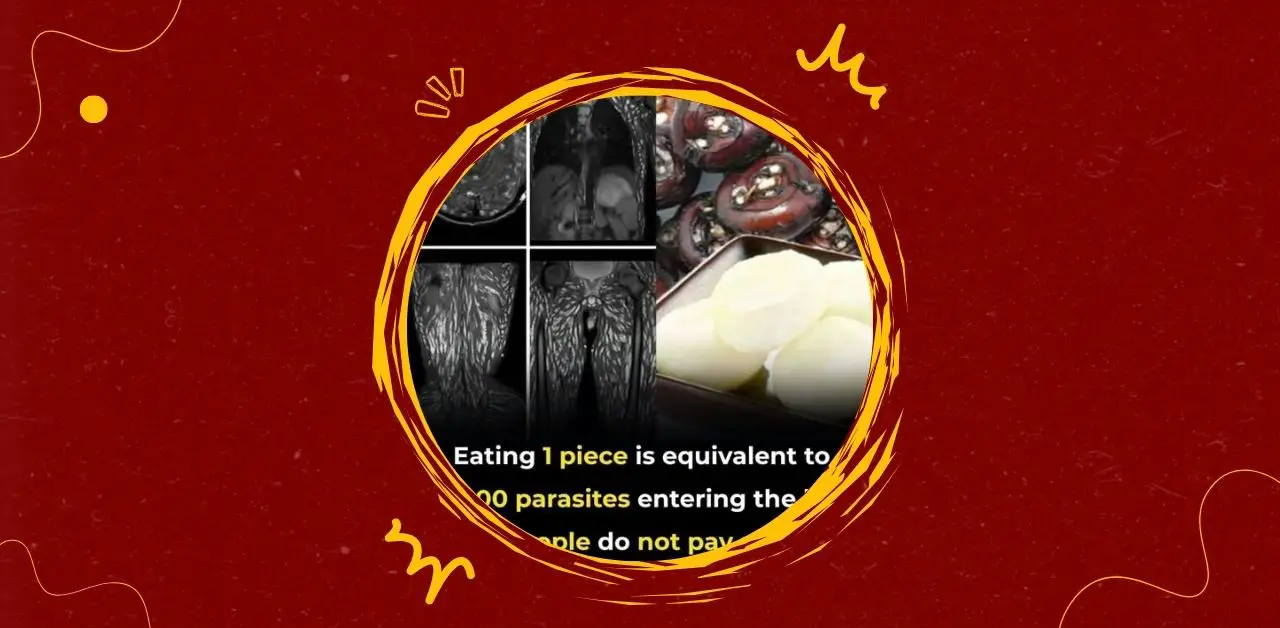
Food is a source of nourishment and joy, but not all foods are safe to consume in their raw or unprocessed form. Around the world, certain fruits, seeds, and aquatic plants have been linked to parasitic infections when eaten without proper preparation. The warning that “just one bite can be harmful” is not an exaggeration—parasites can enter the body in large numbers through contaminated food, leading to serious health consequences.
What Are Foodborne Parasites?
Parasites are organisms that live off a host, often causing illness. Unlike bacteria or viruses, parasites can grow and reproduce inside the human body, sometimes spreading to multiple organs. Common foodborne parasites include:
- Tapeworms: Often contracted from undercooked meat or contaminated produce.
- Roundworms: Found in soil and water, they can cling to vegetables and fruits.
- Protozoa: Microscopic parasites that cause diseases like giardiasis or toxoplasmosis.
When ingested, these parasites can cause both immediate discomfort and long-term health issues.
How Parasites Enter Through Food
Certain foods, especially those grown in water or damp soil, are more likely to harbor parasites. Seeds, aquatic plants, or fruits that are not thoroughly cleaned or cooked can carry microscopic eggs or larvae. Once inside the body, these organisms can multiply rapidly. Even a single bite may introduce thousands of parasites, overwhelming the body’s defenses.
Health Risks of Parasite Infections
- Digestive problems: Nausea, diarrhea, abdominal pain, and bloating.
- Nutritional deficiencies: Parasites consume nutrients meant for the body, leading to fatigue and weakness.
- Organ damage: Some parasites migrate to the liver, lungs, or brain, causing serious complications.
- Chronic illness: Long-term infections can weaken immunity and increase vulnerability to other diseases.
The severity depends on the type of parasite, the amount ingested, and the individual’s health condition.
Why People Still Eat Risky Foods
Despite warnings, many continue to consume foods linked to parasites. Reasons include:
- Cultural traditions: Certain foods are considered delicacies or staples in local diets.
- Lack of awareness: Many underestimate the risks or believe cooking is unnecessary.
- Curiosity: Exotic foods attract adventurous eaters who may ignore safety concerns.
- Misinformation: Myths about immunity or “natural cleansing” can lead to unsafe practices.
Prevention and Safety Measures
The good news is that proper preparation can reduce or eliminate risks:
- Cook thoroughly: Heat destroys most parasites.
- Wash carefully: Rinse fruits, seeds, and vegetables to remove contaminants.
- Avoid raw consumption: High-risk foods should never be eaten uncooked.
- Stay informed: Learn which foods are considered unsafe in your region.
Psychological Dimension
Choosing to eat risky foods despite warnings often reflects denial or overconfidence. On the other hand, choosing safety demonstrates self-care and respect for one’s health. Awareness empowers individuals to make informed choices, balancing tradition with modern knowledge.
Conclusion
Eating just one bite of certain foods can expose the body to thousands of parasites. While cultural habits and curiosity often drive people to ignore the risks, the consequences can be severe. By practicing caution, cooking thoroughly, and staying informed, we can enjoy food safely without compromising our health.