
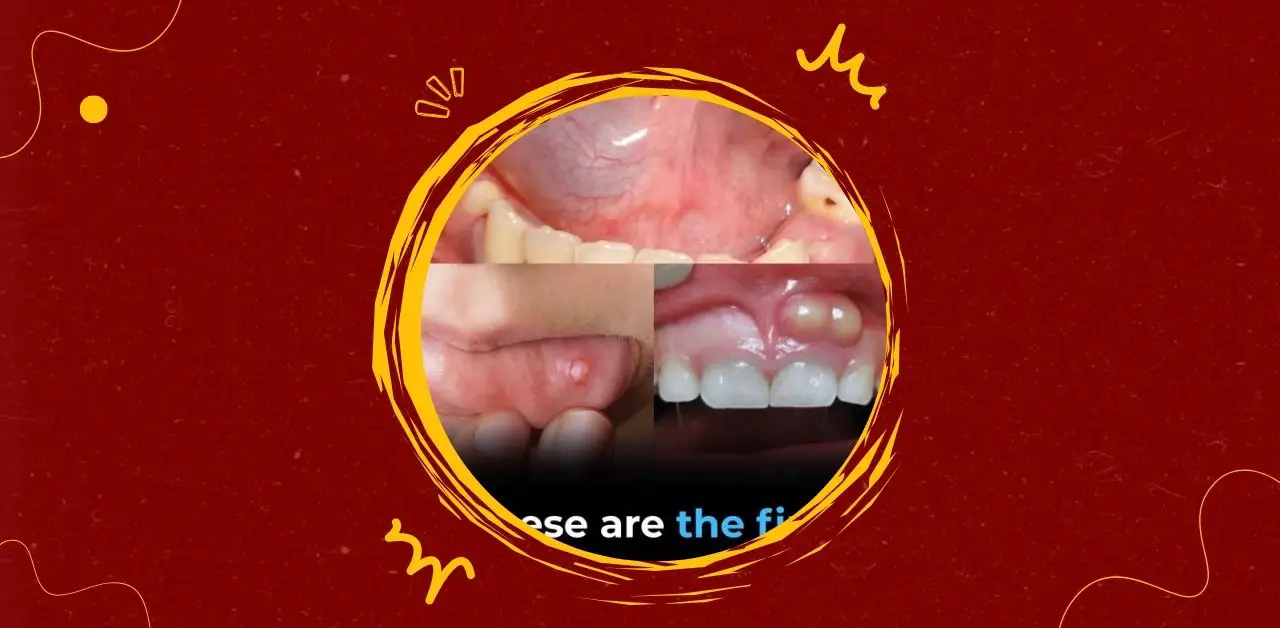
The mouth often provides early warning signs of health problems. Swelling, sores, and gum inflammation are not just minor inconveniences—they can be indicators of underlying conditions that require attention. Oral health is closely linked to overall well-being, and changes in the mouth can reflect issues ranging from infections to systemic diseases. Recognizing these symptoms early can help prevent complications and ensure proper treatment.
Common Early Symptoms
- Swelling Under the Tongue Swelling or inflammation beneath the tongue may point to problems with the salivary glands. Blockages, infections, or stones can cause discomfort and swelling in this area. Persistent swelling should be evaluated, as it may interfere with saliva flow and lead to further oral complications.
- Mouth Sores or Lesions Small ulcers or sores inside the mouth, often referred to as canker sores, can appear due to stress, minor injuries, or nutritional deficiencies. While they usually heal on their own, frequent or painful sores may indicate an underlying condition such as a weakened immune system or gastrointestinal issues.
- Inflamed Gums Red, swollen, or bleeding gums are often early signs of gingivitis, a mild form of gum disease. If left untreated, gingivitis can progress to periodontitis, which damages the tissues and bones supporting the teeth. Gum inflammation may also be linked to systemic health problems, including diabetes and cardiovascular disease.
Why These Symptoms Matter
Oral health is not isolated—it is connected to the rest of the body. Infections in the mouth can spread, and chronic inflammation can contribute to other health issues. Paying attention to early signs allows for timely intervention, preventing minor problems from becoming serious.
What You Can Do
- Maintain Good Oral Hygiene Brush twice daily, floss regularly, and use mouthwash to reduce bacteria and plaque buildup.
- Stay Hydrated Adequate hydration supports saliva production, which helps protect teeth and gums.
- Balanced Nutrition Ensure your diet includes vitamins and minerals essential for oral health, such as vitamin C, vitamin B12, and calcium.
- Avoid Irritants Limit tobacco, alcohol, and overly acidic foods, which can worsen oral irritation.
- Seek Professional Care If swelling, sores, or gum inflammation persist, consult a dentist or healthcare provider. Early diagnosis can prevent complications and improve outcomes.
Conclusion
Swelling under the tongue, mouth sores, and gum inflammation are not symptoms to ignore. They may be early indicators of infections, nutritional deficiencies, or systemic health conditions. By practicing good oral hygiene, maintaining a balanced diet, and seeking timely medical advice, you can protect both your oral and overall health. Recognizing these signs early is the key to preventing long-term problems and ensuring a healthier future.