
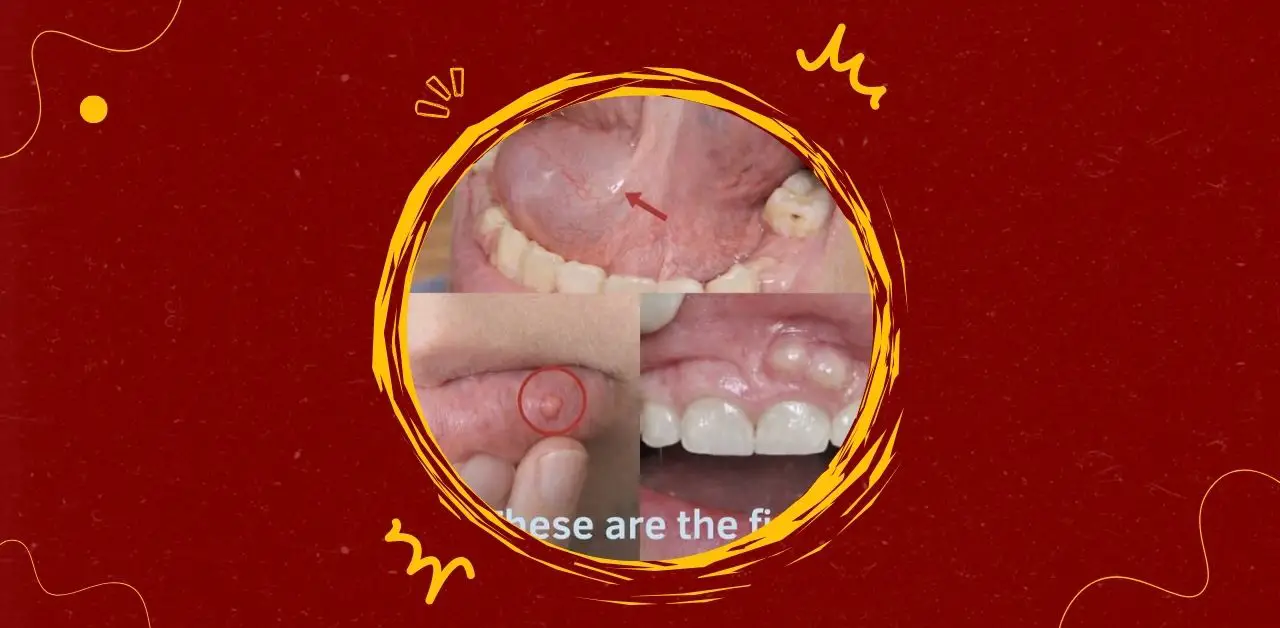
Oral cancer often begins with subtle changes in the mouth — such as white or red patches, sores that don’t heal, or small bumps on the gums or lips — and early detection is critical because treatment is far more effective in the initial stages.
🦷 Early Symptoms of Oral Cancer
- White patches (leukoplakia): Flat, persistent spots that don’t scrape away.
- Red patches (erythroplakia): Raised or flat areas that may bleed when touched.
- Mixed patches (erythroleukoplakia): Combination of red and white discoloration.
- Sores or ulcers: Any sore inside the mouth or on the lips that doesn’t heal within two weeks.
- Small lumps or bumps: Swelling or thickening of the gums, lips, or inner cheek lining.
- Bleeding: Unexplained bleeding from lesions in the mouth.
⚠️ Progression of Symptoms
- Stage II–III:
- Numbness or loss of sensation in the lips, tongue, or jaw.
- Pain in the mouth that persists.
- Difficulty chewing, swallowing, or moving the jaw.
- Swollen lymph nodes in the neck.
- Dentures that suddenly stop fitting properly.
- Stage IV (advanced):
- Larger lumps or swelling in the jaw or neck.
- Severe pain or numbness.
- Loose teeth or jawbone involvement.
- Difficulty opening the mouth (trismus or “lockjaw”).
- Weight loss due to difficulty eating.
🩺 Causes and Risk Factors
- Tobacco use: Cigarettes, cigars, pipes, and chewing tobacco are the leading causes.
- Alcohol consumption: Heavy drinking increases risk, especially when combined with tobacco.
- HPV infection: Human papillomavirus can trigger oral cancers.
- Sun exposure: Prolonged exposure increases risk of lip cancer.
- Poor diet: Lack of fruits and vegetables may contribute.
- Family history: Genetic predisposition plays a role.
✅ Prevention and Early Action
- Regular dental checkups: Dentists can spot suspicious lesions early.
- Self-examination: Use a mirror and flashlight to check for unusual patches or sores.
- Healthy lifestyle: Avoid tobacco and limit alcohol.
- Sun protection: Use lip balm with SPF when outdoors.
- Seek medical advice: Any sore or patch that doesn’t heal in two weeks should be evaluated by a doctor.
Conclusion
Oral cancer can start with small, easily overlooked symptoms like bumps, sores, or patches inside the mouth. Early detection through regular self-checks and dental visits greatly improves treatment outcomes. If unusual changes persist, consulting a healthcare professional promptly is the safest step.